AKIO NARIMATSU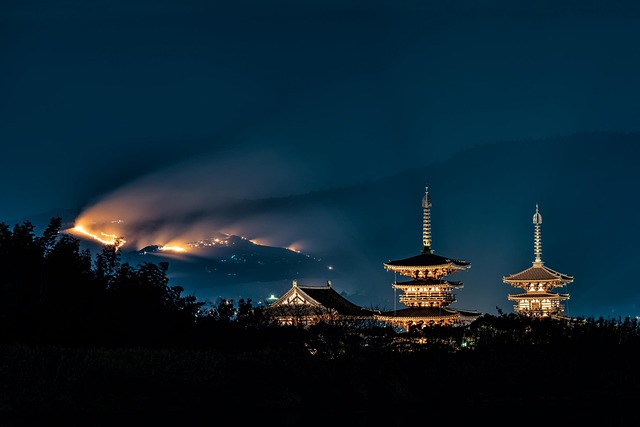
Chasing the Ethereal: A Guide to Nara’s Secret Firefly Season
- Target the “Golden Window”: Plan your visit between June 15th and June 30th. Fireflies are most active on warm, humid, and windless nights, typically peaking between 8:00 PM and 9:30 PM.
- Master the Stealth Mode: Artificial light is the enemy of the Hotaru (firefly). Dim your smartphone screen to the lowest setting and ensure your camera flash is taped down or disabled before you arrive at the viewing site.
- Prioritize Rural Logistics: Do not rely on public transportation for a return trip. Most rural train lines in Nara stop running shortly after the fireflies begin their display; always book a local guesthouse or arrange a private car in advance.
- Dress for the Environment: Wear long sleeves and trousers. While the urge to use heavy insect repellent is high, the chemicals can deter fireflies; opt for wearable ultrasonic repellers or scentless patches instead.
The Gatekeeper’s Dilemma: Why Guidebooks Fail the Firefly Hunter
Most mainstream travel guides treat firefly watching—or Hotaru-gari—as a casual evening stroll. They list “famous spots” like the Nara Park ponds or Kyoto’s Philosopher’s Path. However, the genuine frustration for the discerning traveler is the reality of light pollution and crowds. In these accessible areas, the experience is often marred by hundreds of smartphone screens and streetlights, making it impossible for your eyes to adjust to the faint, rhythmic pulsing of the Genji-botaru. The “real” firefly experience requires moving away from the neon glow of the city into the deep, damp valleys of the Nara prefecture, where the infrastructure for international tourism is almost non-existent.
The Insider’s Path: Field-Tested Strategies for Uda and Beyond
To witness a truly spiritual display, you must venture into the Uda region of Nara, specifically the areas surrounding the Murou River. While the logistics are daunting, there are field-tested workarounds that bypass the need for a rental car. The secret lies in utilizing the Kintetsu Railway to reach stations like Muroguchi-Ono or Haibara. From here, the key is not to look for a designated “park,” but to follow the clean, slow-moving irrigation channels that feed the local rice paddies.
One highly effective hack is to book a stay at a traditional Ryokan or Minshuku in the Murou area. These local innkeepers are the ultimate gatekeepers of knowledge; they know exactly which bend in the river is peaking on any given night. Many will provide a complimentary shuttle to these hyper-local spots after dinner—a service you will never find listed on a standard booking platform. By staying overnight, you transform a stressful race against the last train into a meditative immersion in the Japanese countryside.
The Industry Perspective: Fireflies as the Ultimate ‘Mono no Aware’
From an insider’s point of view, firefly watching is the summer equivalent of the cherry blossom season, but far more fragile. In the travel industry, we often discuss Mono no aware—the pathos of things and the beauty of the fleeting. Fireflies embody this perfectly; they live as adults for only a week, and their glow is a desperate, beautiful search for connection.
For the traveler, this means the experience cannot be “produced” or guaranteed. It requires a level of patience and environmental respect that modern tourism often lacks. When you stand in a pitch-black valley in rural Nara and the first green light flickers against the silhouettes of the cedar trees, you aren’t just seeing an insect; you are witnessing a seasonal heartbeat that has remained unchanged for centuries. This is the Japan that exists behind the curtain of convenience, and for those willing to navigate the rural silence, it is the most rewarding view in the archipelago.
KEYWORDS: japan fireflies, nara countryside, night landscape
Photo: Pixabay / Pixabay License