AKIO NARIMATSU
Beyond the Nakahechi: Mastering Japan’s Ancient Pilgrimage Trails
- Leverage the Tanabe City Kumano Tourism Bureau: This local entity is the gatekeeper for authentic mountain lodging. Do not rely on mainstream booking engines; use their community reservation system to access family-run minshuku that aren’t listed elsewhere.
- Pivot to the Iseji Route for Winter Trekking: While the popular mountain passes often face snow closures from December to March, the coastal Iseji route remains largely accessible and offers breathtaking Pacific views without the sub-zero mountain temperatures.
- Pursue ‘Dual Pilgrim’ Status: If you have completed the Camino de Santiago in Spain, ensure you register for the Dual Pilgrim program. This recognition fosters a unique connection between the world’s only two UNESCO-listed pilgrimage sites and grants you access to limited-edition credentials.
- Shift Your Gear Strategy: For the more remote routes like the Kohechi, standard “day-hike” gear is insufficient. You will need multi-day technical equipment and a high degree of navigational self-reliance, as cell service is intermittent at best.
The Crowded Silence: The Problem with Mainstream Pilgrimage
The Nakahechi route of the Kumano Kodo has transitioned from a hidden spiritual gem to a victim of its own success. For the modern traveler seeking the “authentic” Japanese wilderness, the reality of the Nakahechi can be frustrating: fully booked guesthouses six months in advance, sanitized paths, and the constant presence of tour groups. The genuine frustration lies in the gap between the promised spiritual solitude and the logistical “conveyor belt” that the main route has become. Many travelers finish the Nakahechi feeling they have checked a box, but missed the raw, unpolished spirit of the Kii Peninsula.
The Path Less Trodden: Professional Alternatives to the Mainstream
The Iseji: The Coastal Heritage Route
For those who find the Nakahechi too crowded, the Iseji is the connoisseur’s choice. It connects the Grand Shrine of Ise—the most sacred Shinto site in Japan—to the Kumano Sanzan. This route offers a stunning mix of ancient stone-paved passes (Magose-toge) and coastal scenery. It is significantly less frequented, allowing for a contemplative experience that mirrors what pilgrimage felt like centuries ago. Its lower elevation also makes it the premier choice for off-season trekking.
The Kohechi: The Technical Challenge
The Kohechi is the most direct—and most demanding—link between the monastic center of Koyasan and the Kumano shrines. It crosses three mountain passes over 1,000 meters in elevation. This is not a casual walk; it is a serious trek through sparsely populated terrain. For the traveler who finds the Nakahechi too “easy” or over-developed, the Kohechi provides the physical rigors and isolation that define a true mountain ascetic experience.
The Omine Okugake-michi: The Sacred Frontier
If you are looking for the absolute peak of Japanese pilgrimage, the Omine Okugake-michi is the gold standard. Historically used by the Yamabushi (mountain practitioners of Shugendo), this ridge-line trail is grueling, dangerous in parts, and deeply spiritual. It bypasses the comforts of valley villages for days at a time, requiring hikers to stay in basic mountain huts. It is the definitive “next step” for those who have mastered the standard routes.
The Insider’s Take: Why Your Choice of Route Defines Your Experience
In the Japanese tourism industry, we often see a “path of least resistance” mentality among international visitors. Most stick to the Nakahechi because it is the most documented. However, the true soul of Japanese pilgrimage isn’t found in a guidebook’s “Top 10” list; it is found in the Shukubo (temple lodgings) of Koyasan or the quiet, moss-covered steps of the Iseji where you won’t encounter another soul for hours.
My professional recommendation is to view the Kumano Kodo not as a single trail, but as a network of spiritual arteries. If you value cultural depth over social media photography, look toward the routes that link the Kii Peninsula to the Shikoku 88 Temple Pilgrimage or the Michinoku Coastal Trail in the north. The “real” Japan begins where the paved tourist infrastructure ends. To truly experience the transformative power of these mountains, you must be willing to trade the convenience of the Nakahechi for the profound silence of the Iseji or Kohechi.
KEYWORDS: kumano kodo, hiking trail, japan mountains
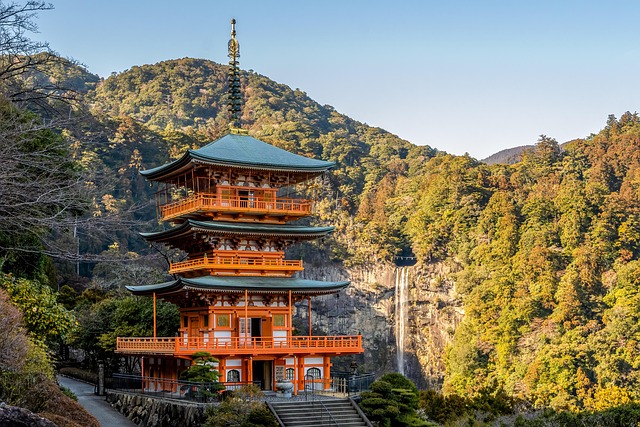
Photo: Pixabay / Pixabay License