AKIO NARIMATSU
Mastering the Golden Route: A Professional Guide to Your First 15 Days in Japan
Planning a debut trip to Japan is an exercise in logistical choreography. For many, a 15-day window represents the ideal duration to traverse the “Golden Route” connecting Tokyo, Kyoto, and Osaka. However, the difference between a frantic commute and a curated cultural immersion lies in the details that standard guidebooks often overlook. Before you finalize your bookings, consider these immediately actionable strategies to elevate your journey.
- Leverage the “Takkyubin” Advantage: Never drag heavy suitcases through crowded train stations. Use luggage forwarding services (Yamato Transport) to send your bags from one hotel to the next for a nominal fee, allowing you to travel light between cities.
- The “Base Camp” Strategy: Instead of switching hotels every two nights, use Osaka as a central hub for the Kansai region. From a single hotel, you can reach Kyoto, Nara, and Kobe in under an hour, significantly reducing “check-out fatigue.”
- Digital IC Card Integration: Do not wait in line for physical transit cards. Add a Suica or Pasmo card directly to your smartphone’s digital wallet before arrival to tap-and-go through turnstiles and pay at convenience stores instantly.
- The 70% Rule: Schedule only 70% of your day. Japan’s most rewarding moments—a hidden jazz bar in Shinjuku or a quiet moss garden in Arashiyama—require the flexibility that a rigid itinerary destroys.
The “Real” Problem: The High-Speed Exhaustion Guidebooks Ignore
The most significant frustration facing first-time travelers isn’t a lack of information, but the illusion of proximity. Guidebooks often present a 15-day itinerary as a seamless progression of highlights, but they fail to account for “cognitive overhead.” Navigating Shinjuku Station—the busiest transit hub in the world—is not a simple 10-minute walk; it is a complex sensory challenge that can drain your energy before you even reach your destination.
Travelers frequently fall into the trap of over-scheduling, treating Japan like a checklist. This leads to “temple burnout” by day eight and a sense of resentment toward the very crowds you expected to join. The genuine frustration is realizing that while you have “seen” everything on your list, you haven’t actually experienced the rhythm of Japanese life because you were too busy matching a train schedule.
Field-Tested Workarounds and Insider Hacks
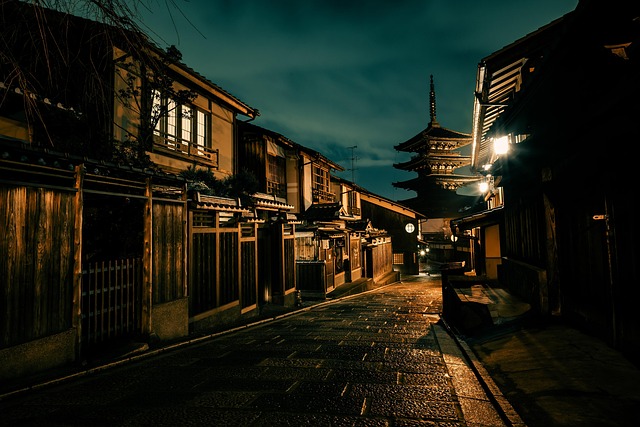
To bypass the common pitfalls of the first-timer’s circuit, veteran travelers employ specific tactical shifts. One of the most effective hacks is the reverse-commute strategy. While most tourists flock to the Fushimi Inari shrines or the Gion district at 10:00 AM, the elite traveler arrives at sunrise or waits until after 8:00 PM. Not only are the crowds gone, but the lighting transforms these spaces into something ethereal and private.
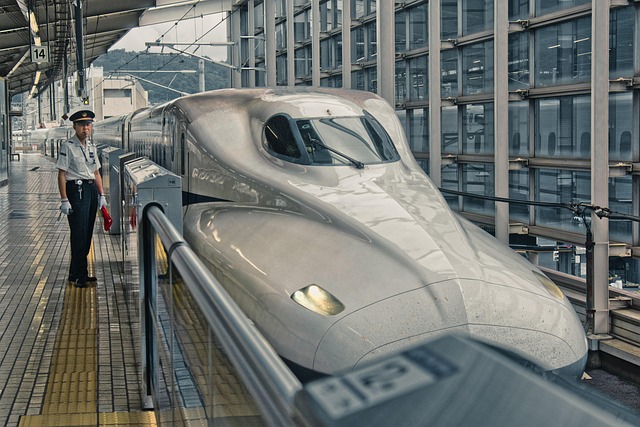
Furthermore, when tackling the transit between Tokyo and the western regions, consider the “Purattoke” economy plan or localized regional passes over the standard national rail pass, which has seen significant price increases. If your itinerary is concentrated in specific areas like the Kanto or Kansai plains, regional-specific tickets often provide better value and include access to private lines that the national pass does not cover, opening up “secret” coastal towns and mountain retreats that are otherwise bypassed.
The Insider’s Perspective: Quality Over Connectivity
From my years within the Japanese travel industry, I have observed that the most successful trips are those that embrace the concept of “Ma” (the space between). In a 15-day itinerary, the most profound memories rarely happen at the Golden Pavilion or the Shibuya Crossing. They happen in the quiet moments: the steam rising from a bowl of street-side ramen in a Fukuoka alleyway, or the silence of a wooden ryokan in Hakone during a rainfall.
My advice to the sophisticated traveler is to stop viewing Japan as a series of destinations and start viewing it as a series of atmospheres. If you find a neighborhood in Tokyo that resonates with you—be it the artisanal vibe of Yanaka or the subculture energy of Shimokitazawa—stay there. Abandon the plan. The greatest luxury in Japan is not seeing every monument; it is the permission to linger in a single, perfect moment.
KEYWORDS: japan travel itinerary, kyoto temple, tokyo street photography
Photo: Pixabay / Pixabay License