AKIO NARIMATSU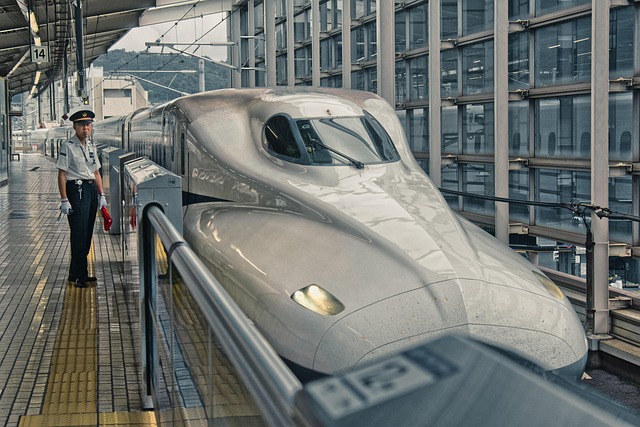
- Digital IC Card Integration: Add a Suica or Pasmo card to your smartphone’s digital wallet before you depart. This eliminates the need to fumble with physical tickets or wait in line at kiosks, and it works seamlessly for both transit and vending machine purchases.
- The “Two-Anchor” Rule: Limit your itinerary to a maximum of two major “must-see” attractions per day. This prevents the common trap of exhaustion and allows for the spontaneous discoveries that define a high-quality Japan experience.
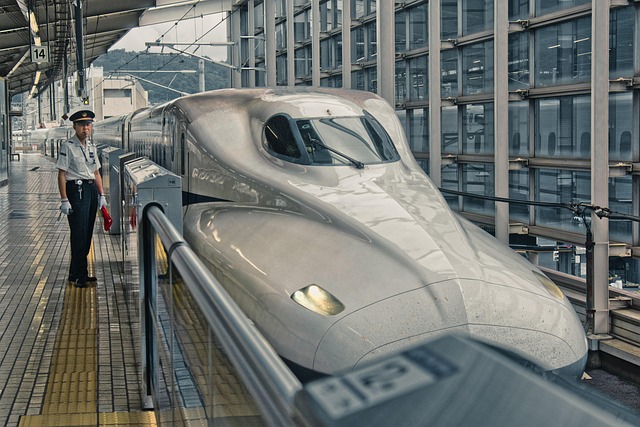
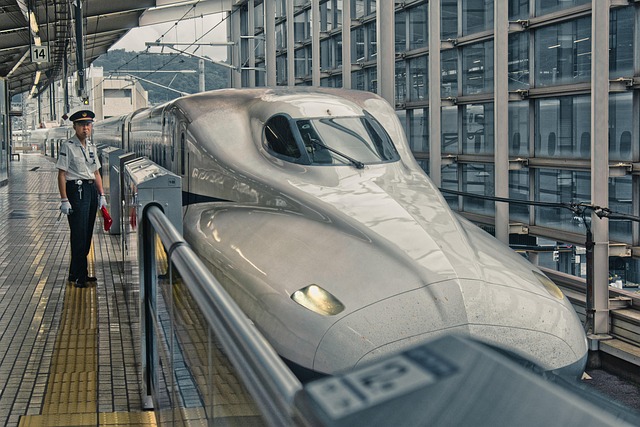
- Strategic Luggage Forwarding: Utilize takkyubin (luggage forwarding services) to send your heavy suitcases between cities. Navigating Shinkansen stations with large bags is the single most efficient way to ruin your transit day.
- Technical Footwear is Mandatory: Japan is a walking culture. Expect to log 20,000 to 30,000 steps daily. Prioritize broken-in, high-quality walking shoes or sneakers over fashion; your feet will be the deciding factor in your trip’s success.
The Invisible Exhaustion: What Guidebooks Forget to Mention
Most guidebooks present Japan as a seamless, high-tech utopia where everything runs like clockwork. While the efficiency is real, they often fail to mention the “Japan Wall”—the physical and mental fatigue that hits around day four. This isn’t just jet lag; it is the sensory overload of navigating complex subterranean train stations, the cognitive load of constant translation, and the physical toll of walking on hard pavement for twelve hours a day. Travelers often arrive with a 10-day itinerary that looks perfect on paper but fails to account for the “logistical friction” of simply existing in a foreign environment. The real challenge isn’t finding the Golden Pavilion; it’s finding the right exit in Shinjuku Station without losing an hour of your life.
Field-Tested Strategies for Seamless Navigation
The Konbini Life-Hack
While Japan offers world-class dining, trying to find a sit-down restaurant for every meal leads to decision fatigue. The konbini (convenience store) is your greatest ally. Establishments like 7-Eleven, Lawson, and FamilyMart offer high-quality, fresh meals—from onigiri to hot karaage—that serve as the perfect “bridge” between sightseeing stops. Using these for breakfast or a quick lunch saves both money and, more importantly, time.
Mastering the “Hub-and-Spoke” Itinerary
Instead of changing hotels every two nights, use a “hub-and-spoke” model. Stay in a central location like Kyoto or Osaka for five nights and take day trips to Nara, Kobe, or Himeji. This eliminates the constant packing and unpacking and allows you to build a “home base” familiarity with your local neighborhood, which significantly reduces travel-related stress.
Connectivity: eSIM vs. Pocket WiFi
For solo travelers or couples who might split up, an eSIM is the modern gold standard. It provides instant data without the hassle of carrying an extra device or worrying about battery life. However, if you are traveling in a larger group and plan to stay together, a Pocket WiFi remains the most cost-effective way to keep everyone connected on a single high-speed signal.
The Insider’s Perspective: Moving Beyond the Checklist
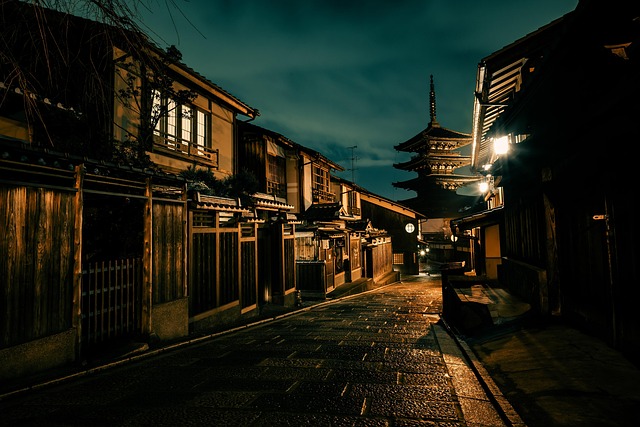
As someone who has spent years observing the flow of inbound tourism, I’ve noticed that the most satisfied travelers are those who treat their itinerary as a suggestion rather than a contract. The “Elite” way to experience Japan is to find beauty in the mundane—the quiet residential streets of Setagaya, the small neighborhood shrines that don’t have a Wikipedia page, and the specific ritual of a morning coffee in a kissaten.
Pro Tip: Don’t sleep on the “Green Cars” on the Shinkansen if your budget allows. The extra space and quiet are not just luxuries; they are essential recovery periods that recharge your “social battery” for the next city. In Japan, the transit isn’t just how you get there—it’s part of the rhythm of the journey. Respect the rhythm, and the country will open up to you in ways a guidebook never could.
KEYWORDS: shinkansen train, tokyo street, kyoto temple
Photo: Pixabay / Pixabay License