AKIO NARIMATSU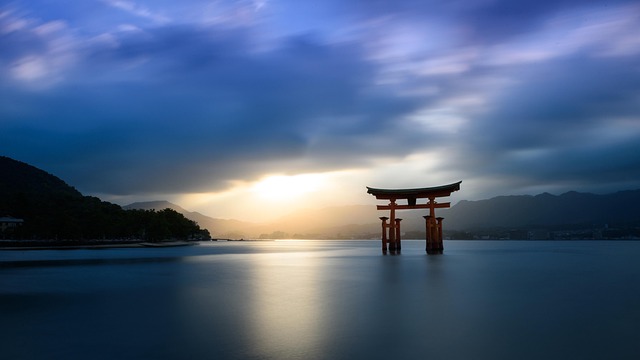
Essential Tips for Navigating Western Japan
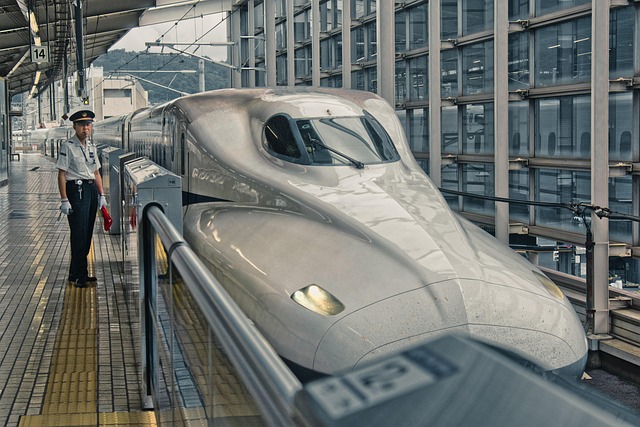
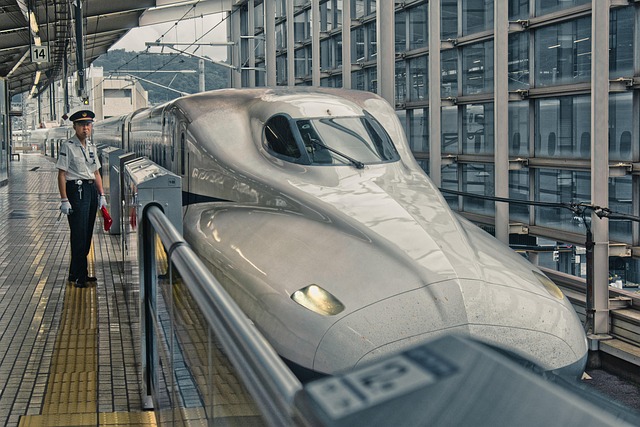
- Prioritize the “Sakura” Shinkansen: When traveling between Shin-Osaka and Kagoshima, opt for the Sakura or Mizuho trains rather than the Nozomi. They feature a 2-2 seating configuration in standard class, offering significantly more lateral space and comfort for longer hauls through the Chugoku region.
- The Miyajima Overnight Rule: To truly experience the “floating” Itsukushima Shrine, book a ryokan on the island itself. Once the last ferry departs around 6:00 PM, the day-trippers vanish, leaving the illuminated stone lanterns and roaming deer to you in a profound, meditative silence.
- Leverage the Takkyubin “Gap Day”: When moving from Hiroshima to Kyushu, use a luggage forwarding service to send your heavy bags directly to your final hotel, but pack a small overnight kit. This allows you to explore intermediate stops like Shimonoseki or Yamaguchi without the burden of lockers or heavy suitcases.
- Master the Fukuoka Yatai Etiquette: These iconic open-air food stalls are not places to linger. Order a drink and a dish immediately, enjoy the atmosphere, and move on after 30-40 minutes to allow others to sit. It is a rotation-based culture, not a lounge experience.
The “Efficiency Trap” That Guidebooks Ignore
Most travelers approach Western Japan and Kyushu with the same high-velocity mindset they apply to the Tokyo-Kyoto “Golden Route.” Traditional guidebooks present a 15-day itinerary as a simple sequence of dots on a map, neglecting the psychological toll of the “Transit Burnout.” In Western Japan, the distances are deceptive. While the Shinkansen is fast, the secondary connections to coastal towns or volcanic regions like Aso require meticulous timing and a slower pace.
The genuine frustration lies in the density of experience. Guidebooks suggest “doing” Hiroshima and Miyajima in a single day. In reality, attempting to squeeze the emotional weight of the Peace Memorial Park and the physical hike up Mount Misen into eight hours results in a hollow checklist experience. Travelers often find themselves exhausted by day five because they haven’t accounted for the “transition friction”—the extra effort required to navigate regions where English signage is sparser and local bus schedules dictate your entire afternoon.
Field-Tested Strategies for the Chugoku and Kyushu Corridors
The secret to a successful 15-day Western circuit is the “Hub and Spoke” strategy. Instead of changing hotels every night, establish Fukuoka and Hiroshima as your primary bases. Both cities are logistical powerhouses with exceptional dining and late-night infrastructure, allowing you to take day trips to places like Kumamoto, Onomichi, or Beppu while returning to a familiar “home” base each evening.
Furthermore, savvy travelers are now looking beyond the standard JR Pass. With recent price increases, regional passes like the Sanyo-San’in Area Pass often provide much better value. These specialized passes cover “hidden” gems like the Hello Kitty Shinkansen and provide access to private railway lines that the national pass ignores. This is the ultimate workaround for accessing the rugged northern coast of Chugoku—the San’in region—where the crowds are non-existent but the logistics are traditionally considered “difficult.”
The “Reverse Itinerary” Hack
Most tourists start in Osaka and head west. To avoid the peak waves of domestic and international crowds, consider starting your journey in Kagoshima (the southern tip of Kyushu) and working your way north toward Hiroshima. You will often find yourself moving “against the grain,” resulting in shorter queues for regional attractions and better availability at boutique ryokans in the mountains of Oita.
An Insider’s Perspective: The Shift Toward the San’in Coast
As an industry veteran, I have observed a definitive shift in the Japanese travel landscape. The “Golden Route” is reaching a saturation point, and the savvy traveler is now looking toward the San’in Coast and Central Kyushu for authenticity. The real luxury in Japan today isn’t found in a five-star hotel in Tokyo; it is found in the slow-drip coffee shops of Onomichi or the hidden hot springs of Kurokawa Onsen.
My advice for the modern traveler is to embrace strategic under-scheduling. Western Japan is a region of subtle textures—the quality of the sunlight on the Seto Inland Sea, the specific taste of oysters in Hiroshima, or the sulfurous steam rising from the streets of Beppu. If your itinerary is packed from 8:00 AM to 8:00 PM, you miss the very essence of why people fall in love with the Japanese countryside. The most memorable moments in the West aren’t the shrines you photographed; they are the conversations you had at a Fukuoka ramen stall because you weren’t rushing to catch the last train.
KEYWORDS: hiroshima miyajima torii, fukuoka yatai street, shinkansen train interior
Photo: Pixabay / Pixabay License