AKIO NARIMATSU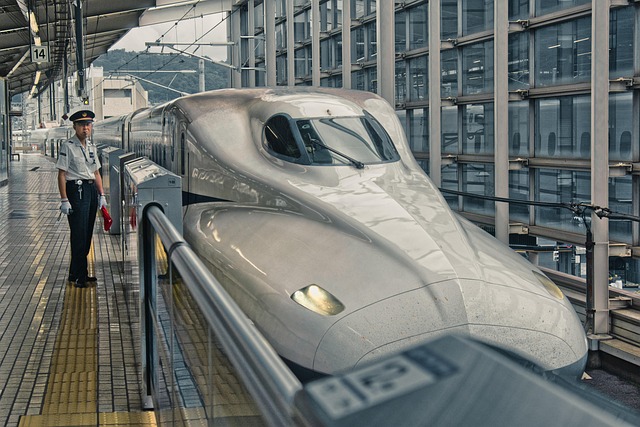
Essential Tips for Your First 10 Days in Japan
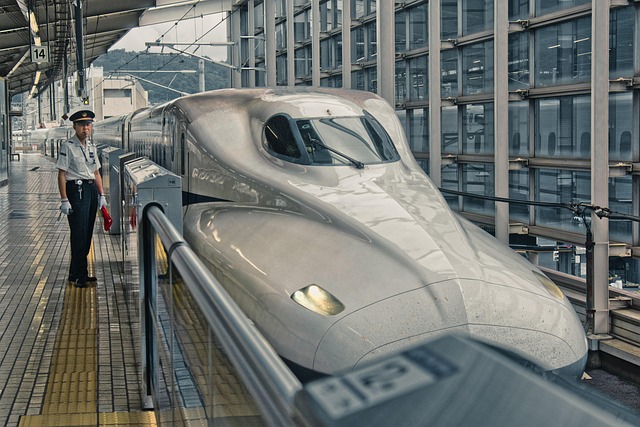
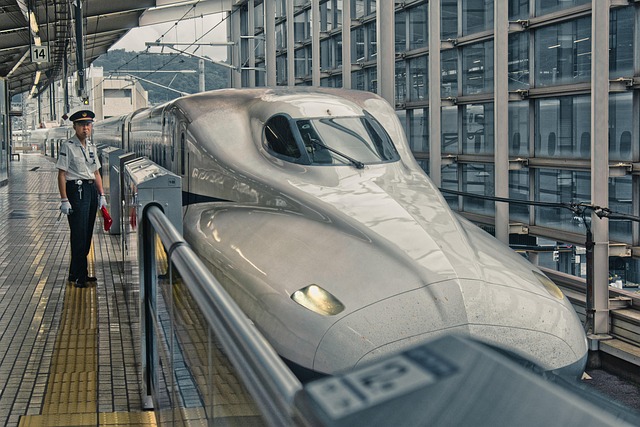
- Leverage “Takkyubin” Luggage Forwarding: Avoid the logistical nightmare of hauling suitcases onto crowded Shinkansen trains. Use hotel-to-hotel delivery services to send your bags ahead for a modest fee, allowing you to travel hands-free.
- Optimize Your Arrival and Departure: Book an “open-jaw” flight—arriving in Tokyo and departing from Osaka (Kansai International). This eliminates the need for a costly and time-consuming return journey to your starting point.
- Digitize Your Transit: Add a Suica or Pasmo card to your smartphone’s digital wallet before you land. It works for almost all local trains, buses, and even vending machines, sparing you the confusion of physical ticket kiosks.
- The 3-2-2 Rule: For a 10-day trip, allocate three days to Tokyo, two to Kyoto, and two to a secondary hub like Osaka or Kanazawa, leaving the remaining days for travel and spontaneous discovery.
The Invisible Exhaustion of the “Golden Route”
Standard guidebooks often present a 10-day “Golden Route” itinerary—Tokyo, Kyoto, Nara, and Osaka—as a breezy cultural highlights reel. However, they rarely mention the “Temple Fatigue” and logistical friction that sets in by day four. The genuine frustration travelers face isn’t a lack of things to see; it’s the sheer density of Japan’s urban environments and the mental load of navigating one of the world’s most complex transit systems.
When you attempt to “do it all” in ten days, you spend more time staring at Google Maps and train platforms than you do soaking in the atmosphere of a Zen garden. The result is a vacation that feels like a high-stakes commute, leaving you back at your home airport feeling like you need a second holiday to recover from the first.
Field-Tested Strategies for a Balanced Itinerary
The “Hub and Spoke” Method
Instead of changing hotels every two nights, choose a primary “hub” in the Kansai region. Staying in Kyoto for five nights while taking day trips to Osaka, Nara, or Uji is significantly more efficient than checking in and out of three different hotels. This reduces “transition friction” and allows you to find a favorite local bakery or bar, giving you a sense of belonging rather than just being a transient tourist.
Prioritize Evening “Vibe” Over Daytime Sightseeing
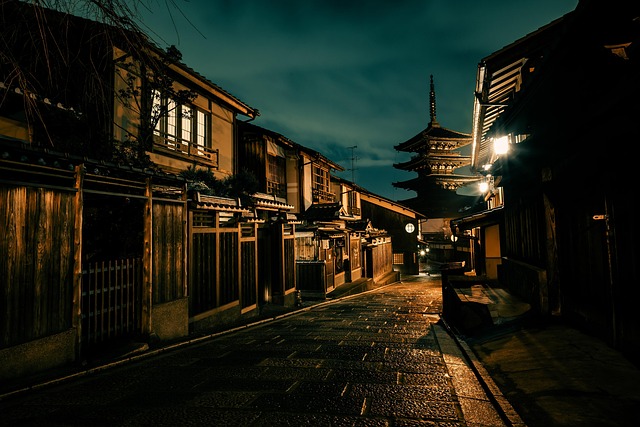
The most seasoned travelers know that Japan’s major landmarks are often overcrowded during the day. The workaround? Visit one major site at sunrise (like Fushimi Inari), then retreat to a quiet, residential neighborhood during the peak afternoon heat or crowds. Save your energy for the evening. Exploring the narrow, lantern-lit alleys of Shinjuku’s Golden Gai or Osaka’s Hozenji Yokocho offers a sensory depth that no crowded afternoon museum visit can match.
The “One Big Thing” Rule
To avoid burnout, limit your itinerary to one major “must-see” landmark per day. If you see Kinkaku-ji in the morning, spend the afternoon wandering aimlessly through a local department store basement (depachika) or a neighborhood park. This creates the mental space necessary for the “magic” of Japan—the unexpected festival, the tiny hidden shrine, or the perfect bowl of ramen—to actually happen.
An Insider’s Perspective: The Luxury of Slowing Down
In the Japanese travel industry, we often see visitors measuring the success of their trip by the number of stamps in their passport or photos on their camera roll. But the true luxury of Japan travel is ma—the beauty of the empty space. It is the silence in a moss garden after the tour groups leave, or the steam rising from a bowl of udon in a station standing-bar.
If you are planning a 10-day trip, my professional advice is to cut your “must-see” list by 30%. By doing less, you actually experience more. Japan is a country of layers; you cannot peel them back if you are rushing to catch the next Shinkansen. Trust the infrastructure, embrace the local pace, and remember that the best part of Japan is often the street you weren’t planning to walk down.
KEYWORDS: Japan travel itinerary, Tokyo Kyoto Osaka, Shinkansen travel tips
Photo: Pixabay / Pixabay License