AKIO NARIMATSU
Mastering the Golden Route: A 12-Day Blueprint for Tokyo, Kyoto, and Osaka
- Digitize your transit: Add a Suica or Pasmo card to your smartphone’s digital wallet before you land. It eliminates the need to fumble with physical ticket machines and works seamlessly across most vending machines and convenience stores.
- Leverage the Takkyubin service: Never haul heavy suitcases through crowded train stations. Use luggage forwarding services to send your bags between hotels for a modest fee; they usually arrive the next morning.
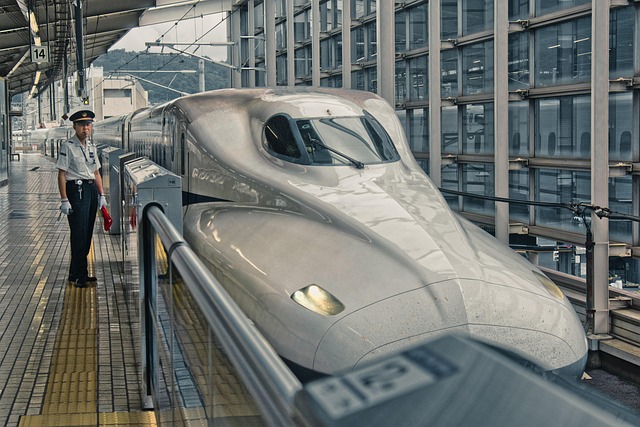
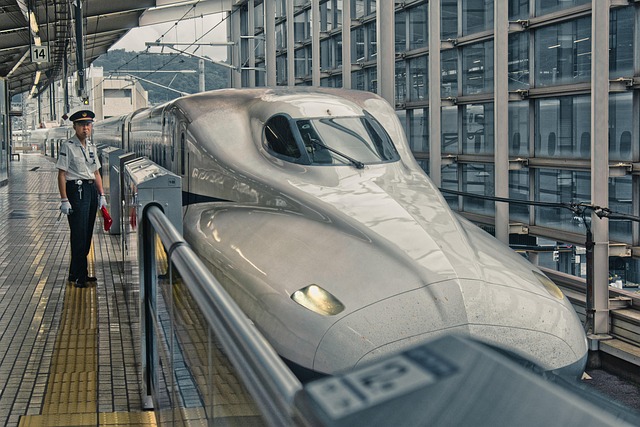
- Book the “E” seat: When traveling from Tokyo to Kyoto via Shinkansen, reserve a window seat on the right side (Seat E) to catch the most iconic view of Mount Fuji during the first 45 minutes of the journey.
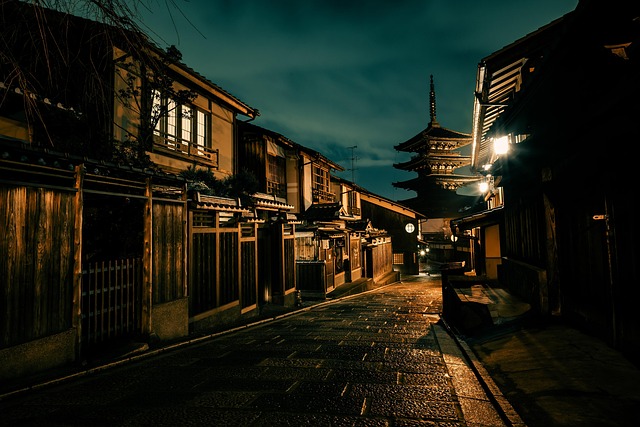
- Embrace the 7:00 AM rule: To experience the serenity of Kyoto’s shrines without the suffocating crowds, arrive at major sites like Fushimi Inari or Arashiyama at dawn. By 10:00 AM, these locations transition from spiritual retreats to tourist bottlenecks.
The Invisible Hurdle: The “Golden Route” Exhaustion
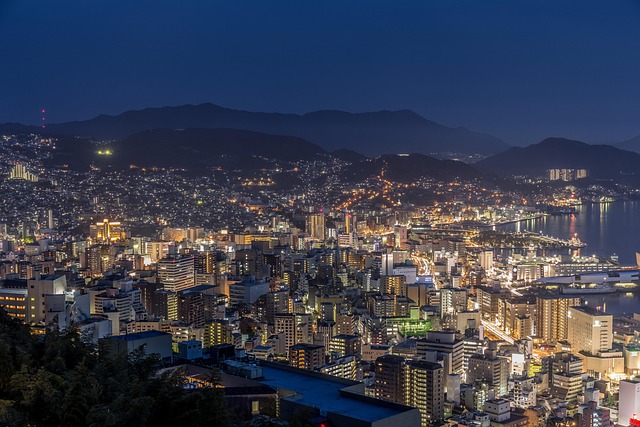
Most guidebooks present the Tokyo-Kyoto-Osaka triangle as a seamless high-speed adventure. They focus on the efficiency of the Shinkansen and the density of world-class landmarks. However, they rarely mention the sensory and physical toll of “The Grind.” Navigating the world’s most complex transit systems while walking upwards of 20,000 steps a day leads to a specific type of travel burnout. By day seven, the temples begin to look identical, the neon lights of Shinjuku feel aggressive rather than exciting, and the logistical mental load starts to overshadow the cultural discovery.
Field-Tested Strategies for a Balanced Itinerary
To navigate a 12-day journey without succumbing to fatigue, seasoned travelers use a “Hub and Spoke” strategy. Instead of moving hotels every three days, consider basing yourself in Osaka for the latter half of your trip. Osaka’s central location in the Kansai region allows you to reach Kyoto in 30 minutes, Nara in 45, and Kobe in 25, all while staying in a single hotel. This eliminates the “packing-unpacking” cycle and provides a more consistent “home base” feel.
Another insider hack involves the “Vertical Dining” method. In dense hubs like Shibuya or Umeda, the ground-level restaurants are often overpriced and overcrowded. Some of the most authentic and affordable culinary experiences are found on the 8th or 9th floors of non-descript commercial buildings. Always look up; the higher the floor, the lower the tourist-to-local ratio usually is.
Finally, utilize the “Green Window” (Midori-no-madoguchi) at smaller neighborhood stations rather than the massive terminals like Tokyo Station. You can book your long-distance Shinkansen tickets there with significantly shorter wait times and more personalized service from the staff.
The Insider’s Perspective: Beyond the Checklist
In my years observing the evolution of Japanese inbound tourism, the most successful travelers are those who learn to “read the atmosphere” (Kuuki wo yomu). Japan is not just a collection of sights to be photographed; it is a series of experiences defined by quietude and intentionality. The mistake many first-timers make is trying to treat Tokyo, Kyoto, and Osaka as variations of the same urban theme.
In reality, they are distinct worlds. Tokyo is a masterpiece of organized chaos and subcultures; Kyoto is a living museum that requires patience; Osaka is the country’s kitchen and its soul of irreverence. To truly master a 12-day trip, you must schedule “white space” into your itinerary—afternoons with no destination where you simply sit in a kissaten (traditional coffee shop) or wander a residential neighborhood. This is where the real Japan reveals itself, away from the curated paths of the guidebooks.
KEYWORDS: shinkansen train, kyoto temple, tokyo street night
Photo: Pixabay / Pixabay License