AKIO NARIMATSU
Essential Tactics for a Seamless Kansai Expedition
- Master the “Hub and Spoke” Strategy: Instead of hotel-hopping, anchor yourself in Osaka near a major transit node like Umeda or Namba. This allows you to explore Kyoto, Nara, and Kobe via 30-minute train rides without the burden of constant luggage transfers.
- Secure Your USJ Express Passes 60 Days Out: If Universal Studios Japan is on your itinerary, a standard entry ticket is not enough. Express Passes—which grant timed entry to Super Nintendo World—sell out weeks in advance. Set a calendar alert for exactly two months before your visit.
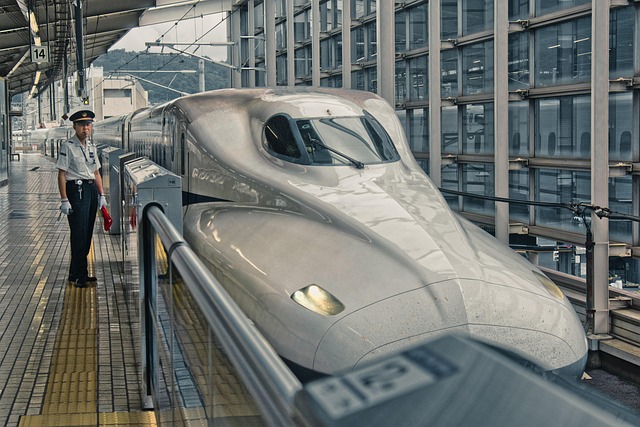
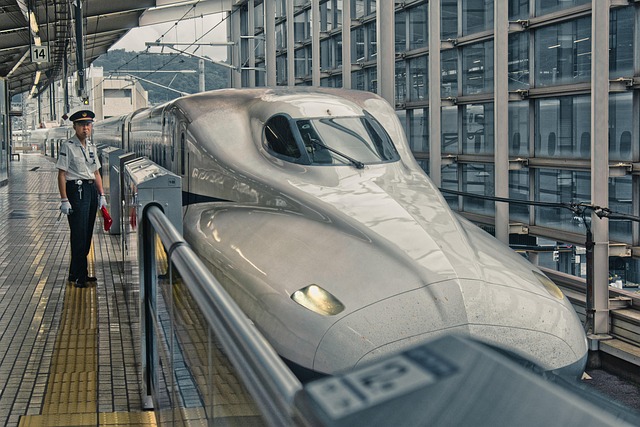
- Leverage the Takkyubin Luggage Service: Never drag a suitcase onto a Shinkansen. For a modest fee, Japanese courier services will deliver your bags from your hotel lobby in one city to your next destination overnight, allowing you to travel “hands-free” on sightseeing days.
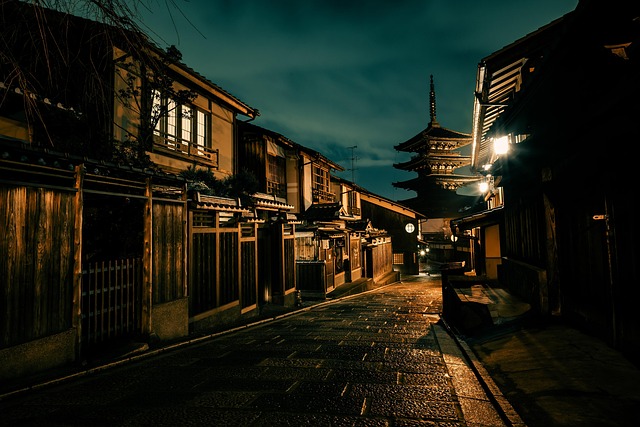
- The 7:00 AM Rule for Kyoto: To experience the serenity shown in travel brochures, you must arrive at iconic sites like Fushimi Inari or the Arashiyama Bamboo Grove by 7:00 AM. By 10:00 AM, the atmosphere shifts from spiritual to commercial.
The “Real” Problem: The High-Speed Burnout of the Golden Route
The greatest frustration travelers face in Japan isn’t the language barrier or the navigation—it’s the psychological weight of the “perfect itinerary.” Standard guidebooks present the Osaka-Kyoto-Hiroshima circuit as a seamless cultural montage. In reality, first-time visitors often find themselves trapped in a state of high-speed exhaustion. They underestimate the physical toll of walking 25,000 steps a day across uneven temple grounds and the sensory overload of Japan’s dense urban centers.
The “real” problem is temple fatigue. By the third day of looking at Zen gardens and golden pavilions, the sights begin to blur together. Travelers often feel a sense of guilt for wanting to skip a world-renowned shrine in favor of sitting in a quiet convenience store or a local cafe. The pressure to “see it all” in ten days often robs the trip of the very tranquility that people come to Japan to find.
Field-Tested Solutions for the Modern Explorer
Through extensive field testing and on-the-ground experience, we have identified several workarounds to maximize enjoyment while minimizing the typical “tourist slog.” One of the most effective hacks is the Hiroshima-Miyajima Day Sprint. While many suggest staying overnight, you can execute a powerful day trip by taking the first Sakura or Hikari Shinkansen from Shin-Osaka. Prioritize Miyajima in the morning to catch the high tide at the Great Torii Gate, then head back to the Peace Memorial Park in the late afternoon. This preserves your evenings for Osaka’s superior dining scene.
Another insider secret involves navigating Kyoto’s crowds. Instead of relying on the notoriously overcrowded city buses, use the Keihan and Hankyu private railway lines. These lines often get you closer to the major sights with significantly less friction than the municipal bus system. Furthermore, treat Nara as a half-day excursion rather than a full-day commitment. The highlights—the Great Buddha at Todai-ji and the deer park—can be comfortably experienced in four hours, leaving your afternoon free to recuperate or explore Osaka’s hidden “shotengai” (covered shopping arcades).
The Industry Insider’s Perspective: The Art of the Buffer Day
As a veteran of the Japan travel industry, I’ve observed a shift in how the most successful itineraries are built. The secret to a transformative Japan trip isn’t in the density of the schedule, but in the inclusion of a “buffer day.” Mid-way through a 10-day trip, usually around day six, you should intentionally schedule zero mandatory activities. This allows for what I call “organic discovery”—the ability to follow a side street in Dotonbori or spend two hours in a stationery shop in Umeda without checking your watch.
Furthermore, don’t overlook the value of department store basements (Depachika) for high-end dining. While guidebooks push for Michelin-starred reservations, the food halls at Daimaru or Takashimaya offer world-class Japanese cuisine with zero wait times. In the modern era of Japanese tourism, the ultimate luxury is no longer access—it is the freedom to move through the country at your own pace, rather than the pace of a pre-set checklist.