AKIO NARIMATSU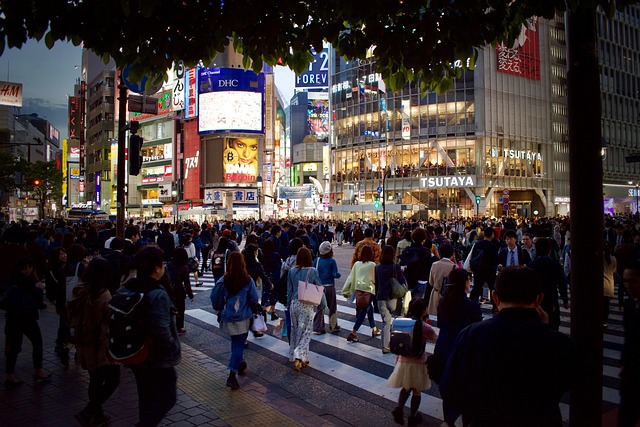
Quick Wins for Your Tokyo Summer Expedition
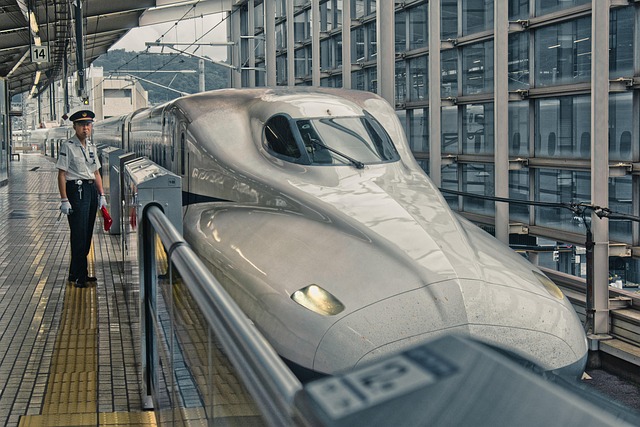
- Digitize Your Transit: Skip the ticket machines entirely by adding a digital Suica or Pasmo card to your smartphone’s wallet before you land; it works for trains, buses, and most vending machines.
- Master the “Cool Biz” Gear: Visit a local convenience store or drugstore immediately to purchase “cooling sheets” (deodorant wipes with a cooling effect) and a high-quality UV-rated folding umbrella—essential tools for surviving the July humidity.
- The 10 AM Rule: Schedule your most iconic outdoor landmarks, such as the Meiji Jingu Shrine or Senso-ji, for no later than 9:00 AM to avoid both the peak heat and the massive tour group surges.
- Utilize Luggage Forwarding: Use “Takkyubin” services to send your heavy bags from the airport to your hotel, or between cities, allowing you to navigate the complex subway stairs hands-free.
The Invisible Barrier: The “Guidebook Burnout”
Standard guidebooks often present Tokyo as a series of disparate “must-see” pins on a map, suggesting you can effortlessly hop from the Ghibli Museum to Akihabara in a single afternoon. The frustration that travelers actually face isn’t a lack of things to do; it’s the physical and mental exhaustion of logistical friction. In the sweltering heat of early July, the sheer scale of Tokyo’s stations—some of which require twenty minutes of walking just to change lines—can turn a dream vacation into a grueling endurance test. Many visitors spend more time staring at Google Maps in a crowded corridor than actually experiencing the culture, leading to a “sensory burnout” where every temple and neon sign begins to look the same by day four.
Field-Tested Hacks for a Seamless Itinerary
To navigate Tokyo like a seasoned professional, you must move beyond the basic tourist circuits and embrace the city’s vertical and underground logic. Instead of trekking across the city for every meal, master the “Depachika Strategy”: the basement floors of major department stores like Isetan or Takashimaya offer world-class gourmet dining and take-out options that rival Michelin-starred establishments, perfect for a high-quality dinner when you’re too tired for a restaurant wait.
Furthermore, when the July humidity peaks between 1:00 PM and 4:00 PM, pivot your itinerary to Tokyo’s vertical escapes. Instead of walking the crowded streets of Shibuya, head to the higher floors of buildings like Shibuya Scramble Square or the quiet, air-conditioned libraries and museums of Ueno Park. For those looking to escape the city heat entirely for a day, skip the over-saturated Hakone routes and take the limited express train to Kamakura early in the morning. Focus on the northern temple hills rather than the beach to find shade and tranquility that the city center lacks during mid-summer.
The Insider’s Edge: Embracing the “Ma” of Tokyo
As someone who has spent decades observing the evolution of Japanese tourism, I believe the secret to an elite Tokyo experience lies in the concept of “Ma”—the celebratory use of space and time between actions. Travelers often over-schedule their seven days, fearing they will miss out. However, the most profound Japanese experiences happen in the unplanned moments: a quiet conversation with a master at a six-seat vinyl bar in Golden Gai, or stumbling upon a local neighborhood matsuri (summer festival) in a backstreet of Setagaya.
In July, the city breathes differently. The evenings are electric, and the locals embrace the “Cool Biz” lifestyle. My professional recommendation is to treat Tokyo as a collection of villages rather than a single monolith. Choose one “anchor” neighborhood per day and explore its depths—the hidden workshops, the third-wave coffee shops, and the small shrines—rather than racing across the Yamanote Line. This approach doesn’t just save your energy; it grants you the luxury of observation, which is the hallmark of a truly sophisticated traveler.
KEYWORDS: tokyo summer street, shibuya crossing aerial, japanese department store food court
Photo: Pixabay / Pixabay License