AKIO NARIMATSU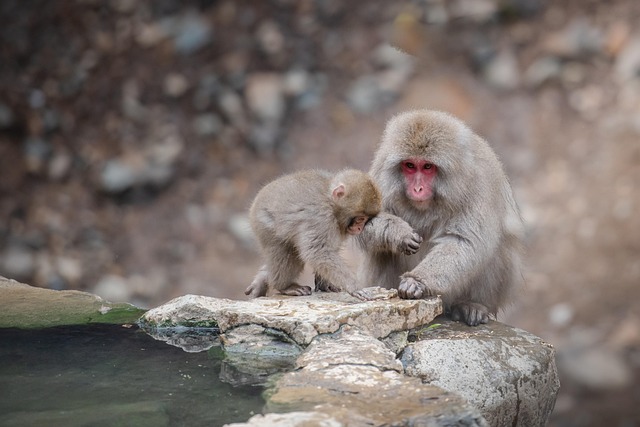
Mastering the Japanese Alps: A June Deep-Dive into Nagano’s Hidden Corridors
- Invest in a high-quality “compact” umbrella and waterproof footwear: June marks the arrival of Tsuyu (the rainy season). While the landscapes are breathtakingly emerald, the mountain trails of Togakushi can become slick and muddy.
- Leverage the Nagano Dentetsu Limited Express: Avoid the bus when possible for the leg between Nagano Station and Yudanaka. The “Yukemuri” train offers panoramic views that turn a simple transfer into a scenic highlight.
- Check the Monkey Park Live Cam: Before making the trek to Jigokudani, check the official live stream. In the warmer months, the monkeys are free-roaming and may not always be at the park; knowing this in advance saves a two-hour round trip of disappointment.
- The “Sotoyu” Pass Strategy: If staying in Shibu Onsen, ensure your ryokan provides the master key for the nine public bathhouses. Completing the “Junyoku” (stamp circuit) is a local tradition believed to bring good fortune.
The “Real” Problem: The Winter Marketing Trap
The primary frustration travelers face when planning a trip to Nagano is the “Winter Bias” inherent in major travel publications. Guidebooks and social media influencers almost exclusively showcase the region under a blanket of white powder, with red-faced macaques soaking in steaming springs surrounded by snow. When you arrive in early June, the reality is a jarring, albeit beautiful, contrast of humid greens and mist-shrouded peaks. The genuine struggle isn’t the lack of beauty; it’s the logistical vacuum. Many seasonal shuttle buses cease operation, and the “Snow Monkey” experience is fundamentally different when the animals are playing in the forest rather than huddled in the water. Travelers often find themselves stranded by outdated winter schedules or underprepared for the physical toll of hiking in high humidity.
Field-Tested Solutions for the Shoulder Season
To navigate Nagano in June effectively, one must pivot from the “ski resort” mindset to a “spiritual sanctuary” approach. For those heading to the Togakushi Shrine, do not simply aim for the Upper Shrine (Okusha). The true magic lies in the Togakushi Kodo, the ancient pilgrimage path. While guidebooks suggest taking a bus to the top, seasoned travelers take the bus to the lower shrine and hike upward through the 400-year-old cedar avenue. The mist of the rainy season actually enhances the “Shinrin-yoku” (forest bathing) atmosphere, making it far more evocative than a dry autumn day.
In the town of Obuse, most tourists rush to the Hokusai Museum and leave. The insider hack is to explore the “Open Garden” initiative. Look for small signs on private gates that say “Open Garden”—this signifies that local residents have opened their private, meticulously manicured traditional gardens to the public for free. It offers an intimate glimpse into Japanese domestic aesthetics that you simply cannot find in Kyoto’s crowded temples.
For the Jigokudani Monkey Park, ignore the “no monkeys in summer” myths. They are there, but they are more active and playful. The workaround for the heat is to visit as early as the park opens (8:30 AM). Not only do you beat the humidity, but you also witness the morning social hierarchy rituals before the tour groups arrive from Tokyo.
The Insider Perspective: Why June is Nagano’s Secret Weapon
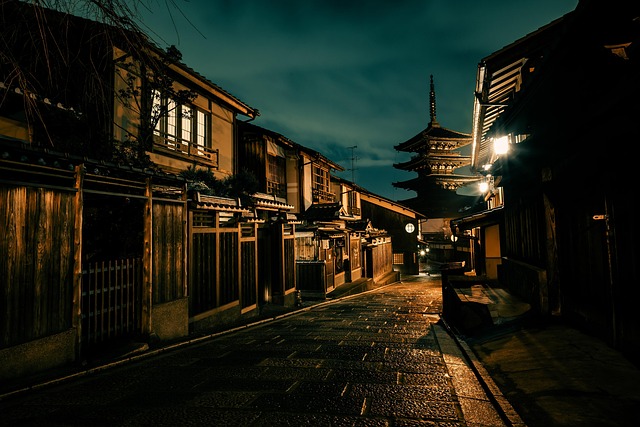
As an industry professional, I often steer sophisticated clients toward Nagano in June precisely because it is the “anti-Golden Route.” While Tokyo and Kyoto are sweltering and overcrowded, the Nagano highlands offer a cooler, atmospheric retreat. The rainy season in the mountains isn’t a deterrent; it is a filter that keeps the “fast-travel” crowds away, leaving the misty cedar groves of Togakushi and the historic lanes of Shibu Onsen to the intentional traveler.
The key to mastering this region is embracing the “Satoyama” lifestyle—the borderland between mountain and arable flatland. Early June is when the rice paddies are freshly planted, acting as giant mirrors reflecting the dramatic alpine clouds. By staying in a traditional ryokan in Shibu Onsen rather than a modern hotel in Nagano City, you bridge the gap between Japan’s spiritual past and its natural splendor. This isn’t just a trip check-off; it is a deep-tissue immersion into a side of Japan that hasn’t been sterilized for mass tourism.
KEYWORDS: nagano mountain forest, shibu onsen street, togakushi cedar trees
Photo: Pixabay / Pixabay License