AKIO NARIMATSU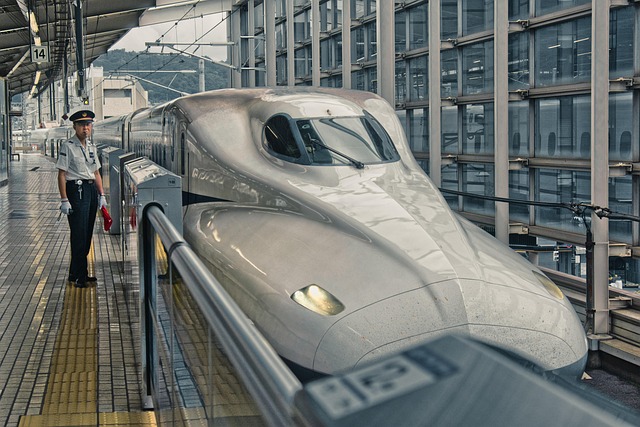
Essential Tips for Navigating Japan’s Early Summer
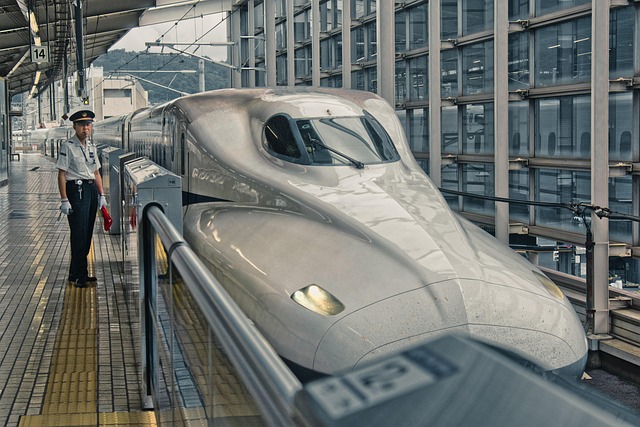
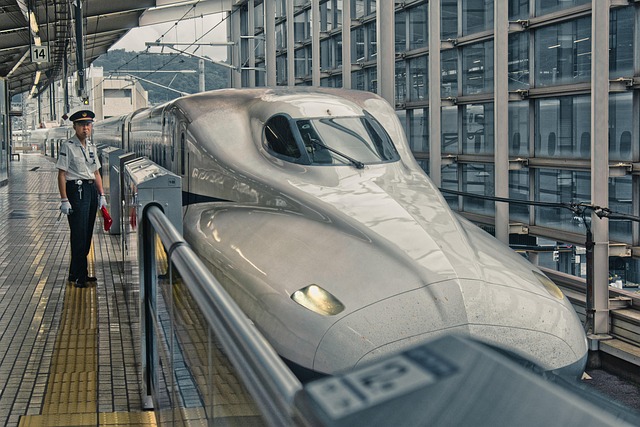
- Master the Art of Takkyubin: Never drag heavy suitcases through Shinjuku Station. Utilize luggage forwarding services to send your bags between Tokyo, Kyoto, and Osaka for roughly $15-$25 per piece, allowing you to travel “hands-free” on the Shinkansen.
- Strategic Hydration and Cooling: Late June marks the arrival of the Tsuyu (rainy season) and rising humidity. Invest in a high-quality “Cooling Neck Ring” or a handheld fan from a lifestyle store like Loft or Tokyu Hands the moment you land.
- The “Express Pass” Mandate: If your itinerary includes Tokyo DisneySea or Universal Studios Japan, do not rely on general admission. Book your timed-entry Express Passes or Premier Access at least two months in advance to avoid four-hour queues in the sweltering heat.
- The Hakone Directional Hack: When tackling the Hakone Round Course, consider doing it in reverse (starting with the ropeway towards Moto-Hakone) to avoid the massive morning crowds that bottleneck at the Hakone-Yumoto train station.
The Invisible Burden of the “Golden Route”
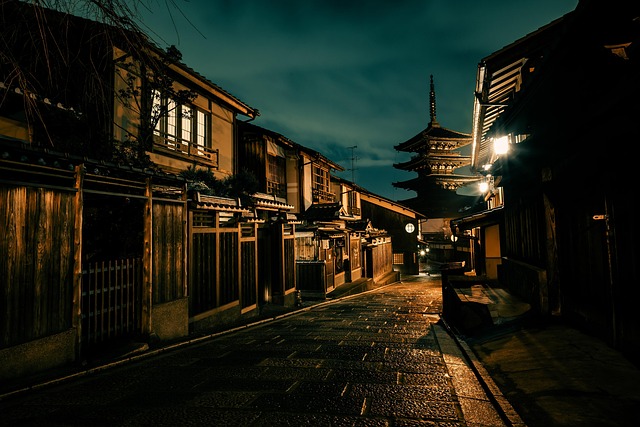
Standard guidebooks present the classic Tokyo-Kyoto-Osaka circuit as a seamless series of cultural vignettes. However, they rarely mention the “Golden Route Fatigue” that sets in around day seven. The genuine frustration for many travelers isn’t the language barrier—it is the physical and mental toll of constant transit. Transitioning between the hyper-modernity of Tokyo and the traditional density of Kyoto requires more than just a JR Pass; it requires a deep understanding of urban geography. Many visitors underestimate the “station walk”—the grueling 15-minute trek often required just to transfer between lines within a single terminal—which, in the humidity of early July, can drain your energy before your sightseeing even begins.
Field-Tested Strategies for a Seamless Transition
Expert travelers have moved away from the “commuter mindset” and instead embrace a “hub-and-spoke” strategy. In the Kansai region, rather than switching hotels between Kyoto and Osaka, choose one as your primary base. Osaka’s Umeda or Namba districts offer superior evening entertainment and better transit connectivity, while Kyoto is a mere 30-minute rapid train away. This eliminates the need for repeated check-ins and check-outs.
Furthermore, navigating the transition from the rainy season to the summer heat requires a tactical approach to daily scheduling. The “Midday Retreat” is a professional secret: front-load your outdoor temple visits in Kyoto for the 7:00 AM to 10:00 AM window, return to your hotel or a high-end department store basement (depachika) during the 1:00 PM peak heat, and emerge again in the late afternoon. This prevents the burnout that often leads travelers to cancel their evening plans in Dotonbori or Shinjuku.
The Insider’s Perspective: Managing the Seasonal Shift
As an industry veteran, I view the late June to early July window as a double-edged sword. While you may encounter rain, you are also witnessing Japan at its most lush and vibrant. This is the season of blooming hydrangeas (ajisai) and the preparation for the great summer festivals. To elevate your experience, look beyond the standard tourist maps.
When traveling from Tokyo to Hakone, don’t just take any train; book the Odakyu Romancecar. The small premium for a “Front Observation” seat offers a cinematic view of the Japanese countryside that sets a completely different tone for your trip. In Tokyo, skip the overcrowded Shibuya Sky at sunset and opt for a high-floor lounge in Toranomon or Azabudai Hills for a more sophisticated, tranquil view of the skyline. The key to a successful 12-night itinerary isn’t seeing everything; it’s maintaining the stamina to enjoy what you do see. By prioritizing luggage logistics and thermal comfort, you transform a standard vacation into a masterclass in Japanese travel.
KEYWORDS: shinkansen train, kyoto temple, osaka street food
Photo: Pixabay / Pixabay License