AKIO NARIMATSU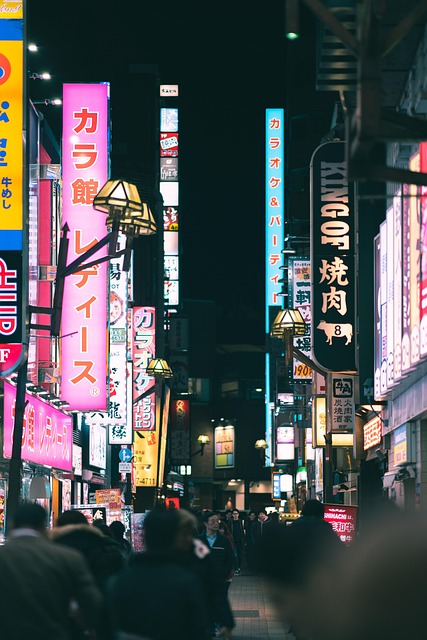
Mastering the Tokyo Stay: Why Your Choice of Accommodation Can Make or Break Your Japan Experience
- Prioritize “Business Hotels” over private rentals: Brands like Mitsui Garden, Richmond Hotels, or Dormy Inn offer consistent quality, 24-hour front desks, and luggage forwarding services for prices often lower than high-end rentals.
- Verify the “Minpaku” License: Before booking any private apartment, ensure the listing displays a valid Japanese registration number (often starting with an “M”). This guarantees the property meets strict fire safety and legality standards.
- Leverage Takkyubin (Luggage Delivery): If you do choose a rental without a lobby, use a luggage delivery service like Yamato Transport to send your bags from the airport directly to a convenience store near your accommodation to avoid hauling suitcases through narrow backstreets.
- Use Google Street View for “Entry Intelligence”: Before finalizing a booking, virtually walk the path from the nearest station. If the entrance is tucked behind a vending machine or down an unlit alley, you will likely struggle with check-in after a long flight.
The Invisible Friction of the “Living Like a Local” Myth
The glossy photos of Tokyo apartments often promise a chic, minimalist lifestyle in the heart of Shibuya or Shinjuku. However, many seasoned travelers encounter a frustrating reality that guidebooks rarely discuss: the “Ghost Guest” syndrome. Unlike hotels, where you are a welcomed patron, many private rentals in Japan operate under a cloud of social friction. Guests are frequently instructed to “not talk to neighbors,” “pretend you are a friend of the owner,” or “avoid the elevator if residents are present.”
This creates a psychological toll. Instead of feeling like a guest, you feel like an intruder. The genuine frustration lies in the complexity of the “treasure hunt” check-in—navigating obscure lockboxes in bicycle parking lots or deciphering 10-page PDF manuals just to turn on the hot water. In a country that prides itself on Omotenashi (wholehearted hospitality), the private rental market often provides the exact opposite: a high-stress, low-support environment where the traveler is left to troubleshoot plumbing and trash sorting laws in a foreign language.
Field-Tested Hacks for the Modern Explorer
If you crave the space of an apartment but want to avoid the pitfalls of the amateur rental market, there are specific workarounds used by industry insiders. The most effective solution is the “Aparthotel” hybrid. Chains like MIMARU have revolutionized the market by providing full kitchens and multiple beds combined with a professional front desk. You get the “local apartment” feel without the anxiety of a hidden key under a flowerpot.
Another insider secret is the “Three-Minute Rule.” In Tokyo, any accommodation located more than a six-minute walk from a major station loses its convenience exponentially. Maps often calculate walking time based on straight lines, ignoring the reality of massive multi-level stations. If a rental is listed as a ten-minute walk, expect a fifteen-minute trek with heavy bags. Always cross-reference the property’s location with the specific subway exit number; a “three-minute walk” from the station entrance might actually be a twelve-minute walk from the platform itself.
The Insider’s Verdict: Why Professionalism Wins in Japan
As someone who has navigated the evolution of Japan’s tourism infrastructure for over a decade, I’ve watched the 2018 Minpaku Law reshape the landscape. While it cleared out many illegal listings, it also highlighted a fundamental truth: Japan’s urban infrastructure is designed for efficiency and service, not for DIY hospitality. The lack of a lobby is not just a minor inconvenience; it is a structural failure in a country where you cannot easily store luggage in public spaces and where trash disposal is a complex, scheduled civic duty.
The elite choice for a modern Tokyo itinerary is the high-end Business Hotel or the branded Aparthotel. These establishments offer the seamless integration into the city that private rentals promise but rarely deliver. You gain access to the Takkyubin network, reliable Wi-Fi, and, most importantly, the peace of mind that comes from being a recognized and respected guest. In the world’s most organized city, your accommodation should be the one thing you don’t have to work to figure out.
KEYWORDS: tokyo hotel room, luggage delivery japan, shinjuku street at night
Photo: Pixabay / Pixabay License