AKIO NARIMATSU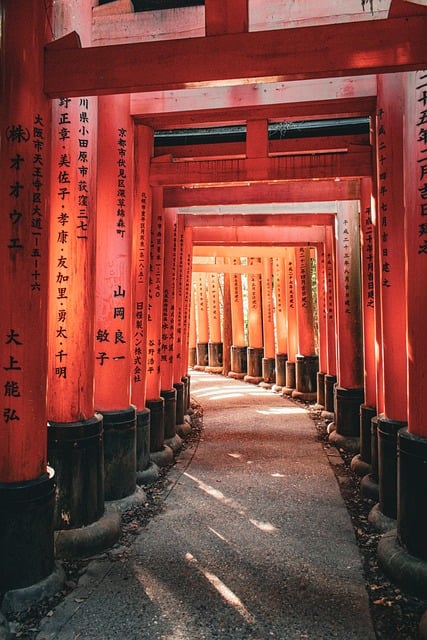
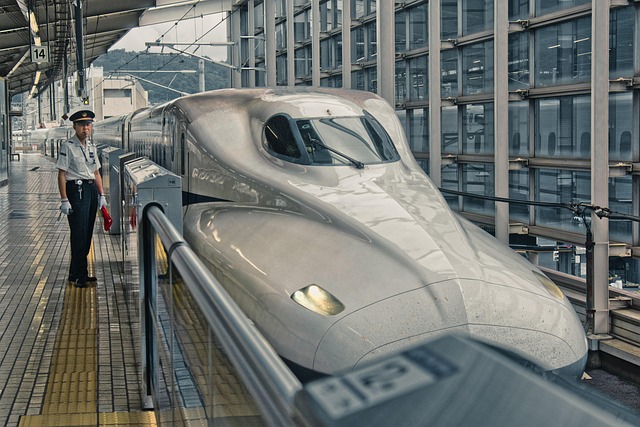
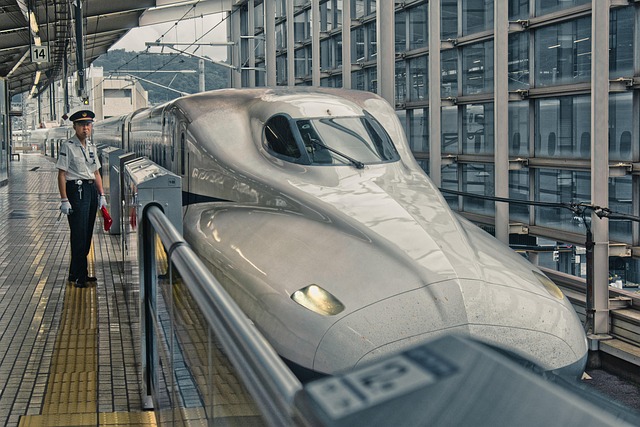
- Leverage Hands-Free Travel: Use the “Takkyubin” luggage forwarding service between major cities like Tokyo and Kyoto. For approximately $15–$20, your heavy bags will meet you at your next hotel, allowing you to transit seamlessly via the Shinkansen or explore a mountain town like Hakone without the burden of a suitcase.
- The “Early October” Wardrobe Strategy: Do not pack exclusively for autumn. Early October in Japan is a transitional period where humidity can still reach 70% and temperatures often hit 25°C (77°F). Pack breathable layers and a lightweight, waterproof shell for the occasional late-season typhoon rain.
- Book “High-Demand” Experiences Exactly 30 Days Out: Tickets for attractions like the Ghibli Museum, teamLab Borderless, and Shibuya Sky sell out within minutes of release. Set a calendar alert for the specific release time (typically midnight JST) to ensure your solo birthday or milestone celebration isn’t spent in a standby line.
- Digital IC Cards are Mandatory: Add a Suica or Pasmo card to your smartphone’s digital wallet before you land. It eliminates the frustration of calculating fares at vending machines and works for everything from local subways to vending machine coffees and convenience store snacks.
The Invisible Fatigue of the “Perfect” Itinerary
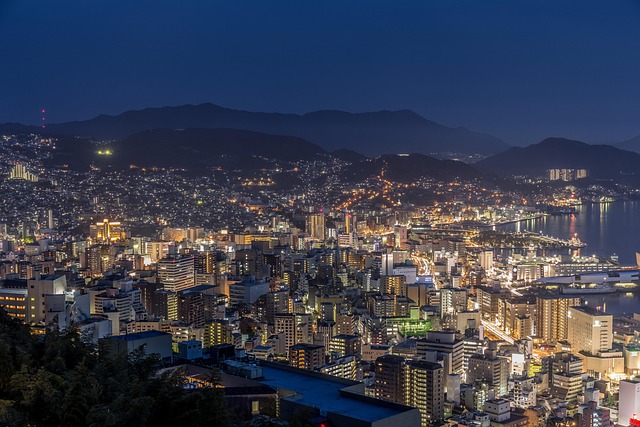
Standard guidebooks present Japan as a series of highlights to be checked off—the neon of Shinjuku, the gold of Kinkaku-ji, the gates of Fushimi Inari. However, they rarely mention the physical and mental toll of “itinerary bloat.” Many travelers, especially those planning a milestone solo trip, feel a subconscious pressure to maximize every hour. This leads to the “Day 4 Wall,” where the sensory overload of Tokyo and the sheer amount of walking (often exceeding 20,000 steps a day) results in exhaustion rather than enlightenment.
The real frustration isn’t the language barrier or the navigation; it’s the realization that you are spending more time in transit and logistics than actually experiencing the culture. Guidebooks tell you where to go, but they fail to explain how to manage your energy in a country that operates at such a high frequency.
Field-Tested Strategies for a Balanced Journey
The “Half-Day” Buffer Rule
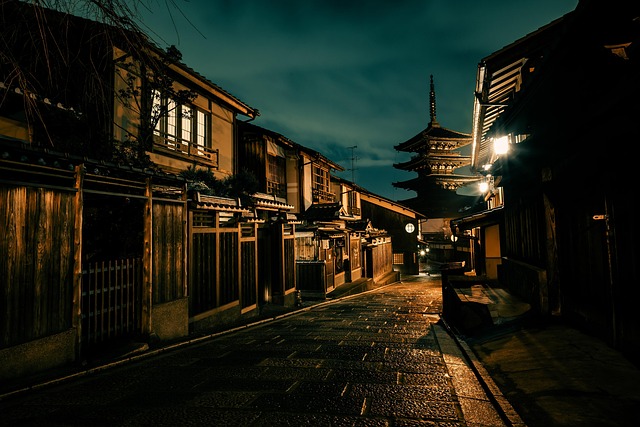
Seasoned travelers have found that the most successful 14-day itineraries are those that leave at least three “half-days” completely unscripted. Instead of rushing from a morning in Arashiyama to an afternoon in Higashiyama, dedicate one afternoon in Kyoto to simply sitting in a kissaten (traditional coffee shop) or wandering the side streets of Nakagyo-ku. This “negative space” in your schedule allows for the serendipitous encounters that define the best travel memories.
Mastering the “Base Camp” Approach
Rather than changing hotels every two nights to see Tokyo, Hakone, Osaka, and Hiroshima, choose strategic base camps. Staying in Osaka for four nights allows you to treat Kyoto, Nara, and Kobe as easy day trips (all under 45 minutes by train). This eliminates the constant “check-in/check-out” cycle and gives you a sense of belonging in a neighborhood, which is particularly rewarding for solo travelers.
The Evening Pivot
In early October, the sun sets around 5:30 PM. While many tourists retreat to their hotels, the “insider” move is to head to local yokocho (alleyways). In places like Tokyo’s Ebisu or Osaka’s Fukushima district, the evening atmosphere is where the true heart of Japanese hospitality resides. These smaller, local-centric spots are often more welcoming to solo diners than the massive, multi-story restaurants in tourist hubs.
An Industry Insider’s Perspective: Quality Over Connectivity
From my years within the Japanese tourism industry, I’ve observed a shift: the most satisfied visitors aren’t those who saw the most shrines, but those who engaged deeply with a specific interest. If you are a fan of architecture, trade a generic day of sightseeing for a dedicated tour of the Omotesando backstreets. If you are celebrating a birthday, don’t just find a “top-rated” restaurant; seek out a specialized Omakase experience where the chef’s craft becomes the evening’s entertainment.
Japan is a country of layers. To see it properly, you must resist the urge to skim the surface of ten cities. Especially in the mild, golden transition of early October, the luxury of Japan is found in the slow moments—the steam rising from an onsen in the Hakone fog, or the quiet rustle of the first turning maple leaves in a Zen garden. Your itinerary should be a framework, not a cage.
KEYWORDS: japan solo travel, tokyo street, kyoto temple garden
Photo: Pixabay / Pixabay License