AKIO NARIMATSU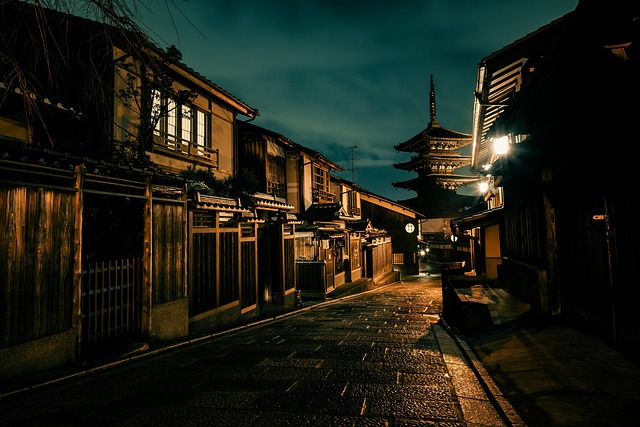
Mastering the Golden Route: A Sophisticated Guide to Osaka, Hiroshima, and Kyoto
- Digitalize Your Transit: Add an ICOCA or Suica card directly to your smartphone’s digital wallet before arrival. This eliminates the need to fumble with physical ticket machines and allows for seamless “tap-and-go” entry at almost every station and convenience store in the country.
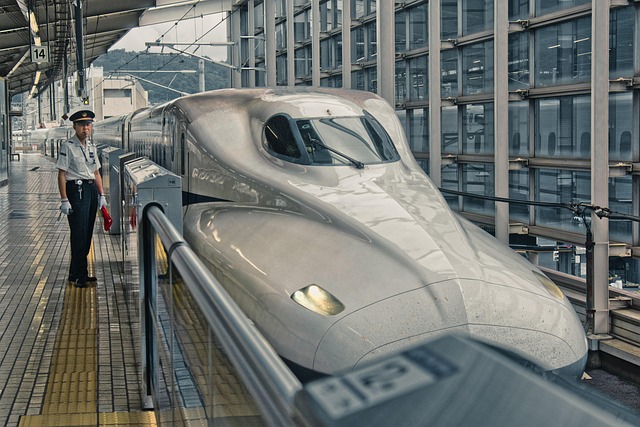
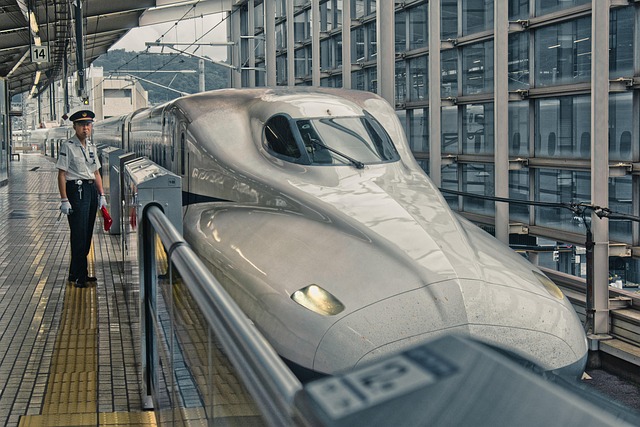
- Leverage Hands-Free Travel: Utilize the Takkyubin (luggage forwarding) service to send your heavy suitcases between hotels. Traveling the Shinkansen with nothing but a small daypack transforms the transit experience from a chore into a luxury.
- Strategic Hiroshima Timing: Schedule your visit to the Peace Memorial Museum for the late afternoon. Not only are the crowds thinner, but the transition to the evening lights along the Motoyasu River provides a necessary space for quiet reflection.
- The “Mount Fuji Side” Secret: When booking Shinkansen tickets from Tokyo toward Osaka, always request “Seat E” in standard cars or “Seat D” in Green Cars to secure a window view of Mount Fuji.
The “Real” Problem: The Invisible Exhaustion of the Golden Route
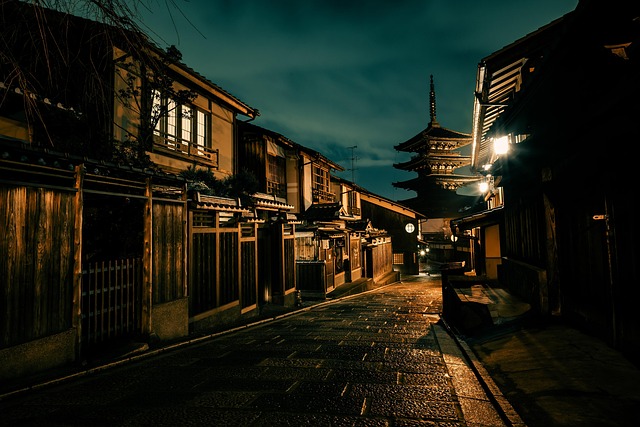
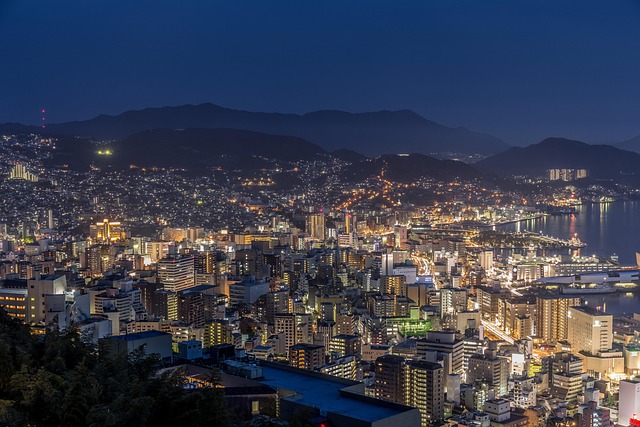
While guidebooks are excellent at listing the “what” and the “where,” they consistently fail to address the “how much.” The most significant frustration facing modern travelers in Japan is not a lack of information, but the sheer physical and cognitive load of the “Golden Route.” Most visitors underestimate the sheer volume of walking—often exceeding 20,000 steps a day—and the sensory overload of navigating Kyoto’s crowded Higashiyama district or Osaka’s neon-soaked Dotonbori. The genuine problem is “temple burnout,” where by the third day in Kyoto, the most historic shrines in the world begin to look identical because the traveler has failed to balance historical gravity with modern leisure.
Field-Tested Solutions for the Modern Explorer
To navigate Japan like a seasoned professional, one must move beyond the static checklists of traditional tourism. Here are the field-tested strategies for a more fluid experience:
- The Osaka Base Strategy: Rather than switching hotels constantly, use Osaka as your primary hub for exploring the Kansai region. Its superior rail connectivity makes it a more efficient base for day trips to Hiroshima, Nara, and even Kyoto, allowing you to return to the city’s vibrant culinary scene each evening without re-packing your bags.
- Culinary Prioritization in Hiroshima: Beyond the history, Hiroshima is a gastronomic powerhouse. Do not settle for a quick sandwich; seek out “Okonomimura”—a dedicated building for Hiroshima-style okonomiyaki. It offers a localized, social dining experience that provides a vital counterpoint to the city’s somber historical sites.
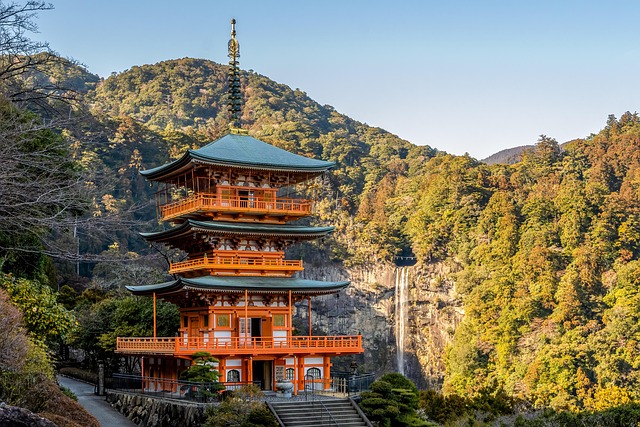
- Kyoto’s “Inverse” Schedule: To beat the crushing crowds at Fushimi Inari or Arashiyama, you must arrive before 7:30 AM. Use the mid-afternoon—when the crowds peak—to retreat to your hotel or visit lesser-known Zen gardens like Kennin-ji, which offers the same aesthetic beauty with a fraction of the foot traffic.
- Navigational Redundancy: While Google Maps is the gold standard, it can occasionally struggle with the multi-level complexity of Osaka or Kyoto stations. Always look up; the physical signage in Japanese transit hubs is world-class and often more accurate than a GPS signal caught in a concrete mezzanine.
The Insider Perspective: The Shift Toward Intentionality
As an industry insider, I have observed a fundamental shift in how successful trips are structured. The era of “ticking boxes” is over. The most rewarding journeys through Japan today are those that prioritize intentionality over intensity. Japan is a country of layers; the more you try to rush through the surface-level attractions, the more you miss the subtle nuances that make the culture extraordinary.
Success in Japan isn’t about seeing every temple in Kyoto; it’s about having the time to sit in one for an hour. It’s about recognizing that a rainy afternoon in an Osaka jazz cafe is just as “authentic” as a visit to a castle. By automating your logistics—through digital IC cards and luggage forwarding—you clear the mental space required to actually experience the country rather than just managing your movement through it.
KEYWORDS: japan shinkansen, kyoto temple, dotonbori street night
Photo: Pixabay / Pixabay License