AKIO NARIMATSU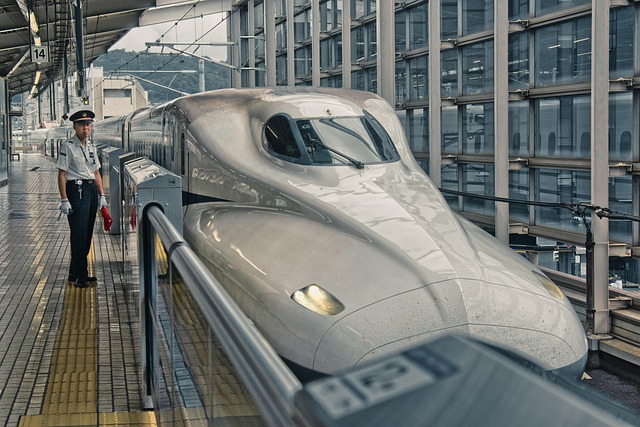
Quick Tips for a Seamless Japanese Journey
- Master the “Hub and Spoke” Strategy: Instead of switching hotels every two nights, base yourself in Osaka for five days. Its central location and superior rail links make it the perfect base for day trips to Kyoto, Nara, and Hiroshima, saving you hours of packing and check-in bureaucracy.
- Digital Transit is Non-Negotiable: Before you leave the airport, add a Suica or Pasmo card directly to your smartphone’s digital wallet. Physical cards are increasingly scarce, and the ability to tap-and-go for everything from subways to vending machine coffee is the single greatest friction-reducer in the country.
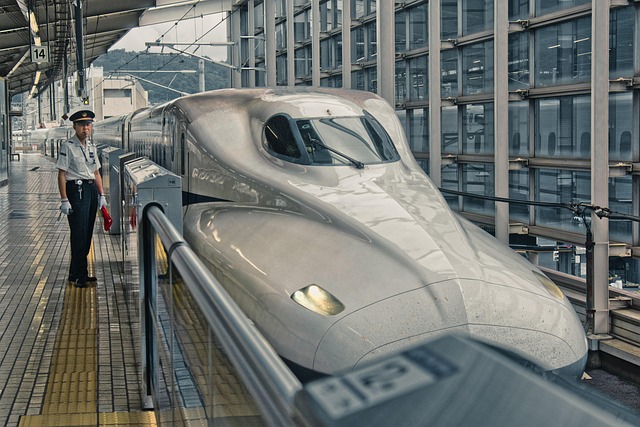
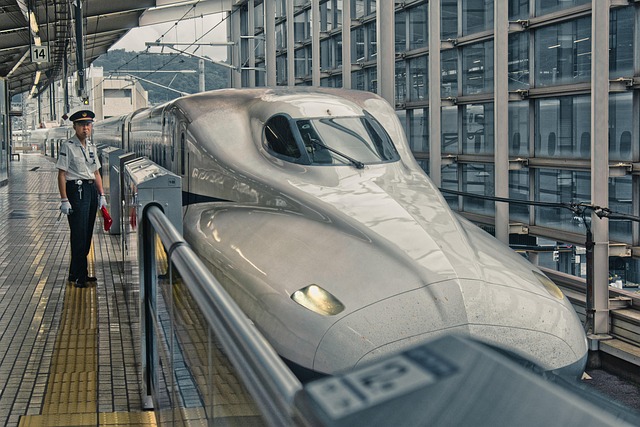
- Leverage Hands-Free Travel: Use Takkyubin (luggage forwarding services) to send your large suitcases from Tokyo to your next major base. Traveling on the Shinkansen with oversized luggage is a logistical headache; let the professionals move your bags for a nominal fee while you enjoy the ride with just a backpack.
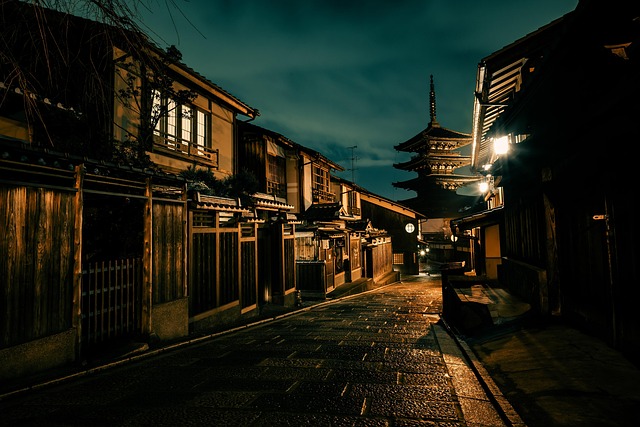
- The 8:00 AM Rule: To experience the serenity of Kyoto’s Fushimi Inari or Arashiyama without the crushing crowds, you must arrive by 8:00 AM. By 10:30 AM, these sites transform from spiritual landmarks into congested photo-ops.
The “Checklist Fatigue”: What Guidebooks Don’t Tell You
There is a specific type of exhaustion unique to first-time travelers in Japan: Checklist Fatigue. Most guidebooks present Japan as a series of “must-see” monuments—the Golden Pavilion, the Shibuya Crossing, the Peace Park. Consequently, travelers build 15-day itineraries that are essentially marathons of movement. They spend more time navigating station platforms and checking Google Maps than they do actually absorbing the atmosphere.
The real frustration isn’t the language barrier or the transport system; it’s the realization on day four that you are “temple-weary.” When every day is packed with three shrines and two museums, the cultural significance of these sites begins to blur. The genuine soul of Japan is found in the “ma”—the space between the events—and most itineraries leave no room for it to breathe.
Field-Tested Workarounds for the Modern Traveler
The “One-Major-Sight” Philosophy
The most successful travelers I’ve advised follow a simple rule: schedule exactly one major landmark per day. If you’re going to Kinkaku-ji, make that your morning anchor. Leave the afternoon for “intentional wandering.” This allows you to stumble upon the neighborhood festivals, the hidden jazz kissas, and the local stationery shops that actually define the Japanese experience. You aren’t “missing” things; you are making room for discoveries that aren’t in the top 10 lists.
The Hiroshima Pivot
Many travelers treat Hiroshima as a grueling day trip from Osaka or Kyoto. While doable, the most sophisticated approach is an overnight stay. By arriving in the late afternoon, you can visit the Peace Memorial Park as the sun sets—a much more contemplative experience—and enjoy the city’s famous okonomiyaki scene without rushing for the last Shinkansen back to Osaka.
Dining Beyond the Reservations
While the allure of Michelin-starred sushi is strong, the most memorable meals often happen in depachika (department store basement food halls) or standing noodle bars. Don’t spend your entire trip tethered to TableCheck reservations. Use the basement of a Takashimaya or Isetan for a high-end picnic, and save your evenings for the local izakayas where the menu is a single handwritten sheet.
The Insider Perspective: Designing for Discovery
As a veteran of the Japanese tourism industry, I’ve seen thousands of itineraries. The ones that fail are those that treat Japan as a museum to be “finished.” Japan is not a collection of monuments; it is a living, breathing organism. Your 15-day window is a precious opportunity to find your own version of the country.
My final piece of advice is to embrace the “Free Day.” Every five days, schedule a day with zero plans. No pins on the map, no train tickets booked. This is the day you go back to that bakery you saw from the train window, or spend three hours in a public bath (Sento). In a country as meticulously organized as Japan, the greatest luxury you can afford yourself is the permission to be spontaneous. That is when the real magic of the archipelago reveals itself.
KEYWORDS: kyoto temple, shinkansen train, japan travel photography
Photo: Pixabay / Pixabay License