AKIO NARIMATSU
Mastering the Six-Day Japan Sprint: A Guide to the Golden Route
- Leverage Luggage Forwarding (Takkyubin): Do not drag suitcases across Shinkansen platforms. Arrange for your hotel concierge to ship your bags between Tokyo and Kyoto for a nominal fee, allowing you to travel “hands-free.”
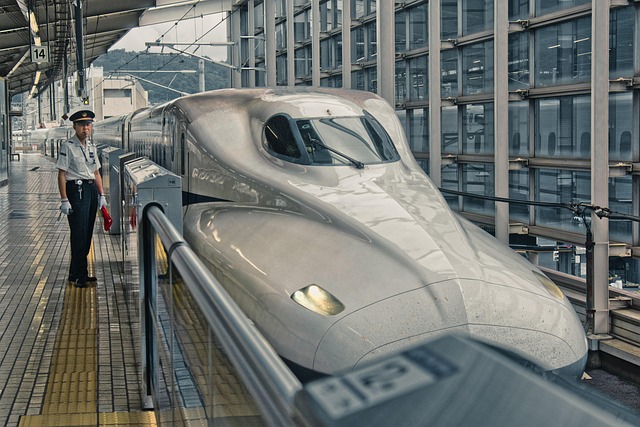
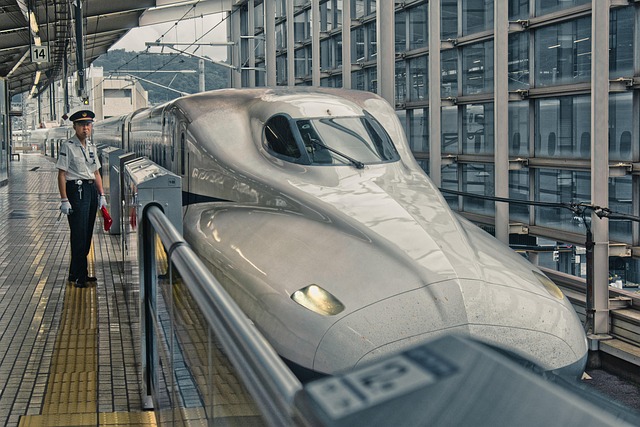
- Prioritize the “Right” Side of the Train: When booking your Shinkansen ticket from Tokyo to Kyoto, request seats on the “E” side (mountain side) to catch a clear view of Mount Fuji during the journey.
- Digital IC Cards are Essential: Add a Suica or Pasmo card to your smartphone’s digital wallet before arrival. This eliminates the need to navigate complex ticket machines for local subways and can be used for seamless payments at convenience stores.
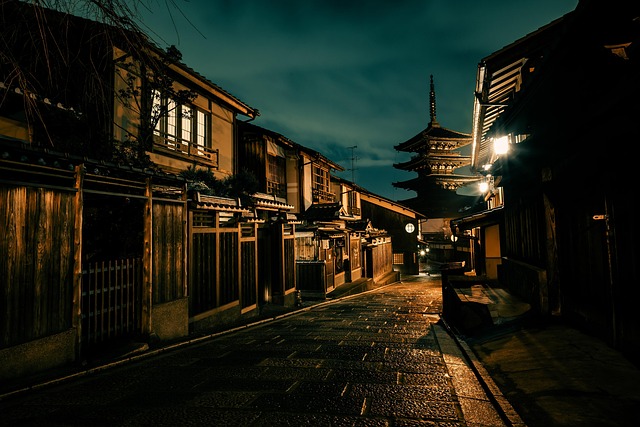
- The “First Light” Rule: For iconic sites like Fushimi Inari or Arashiyama, aim to arrive by 7:00 AM. By 9:30 AM, the atmosphere shifts from spiritual serenity to overwhelming crowds.
The “Real” Problem: The Logistics Trap
Standard guidebooks often present the Tokyo-Kyoto-Tokyo itinerary as a seamless transition between two world-class cities. They highlight the speed of the Shinkansen but fail to mention the logistics trap: the sheer physical and mental exhaustion of navigating the world’s most complex transit hubs. A six-day itinerary sounds manageable on paper, but in reality, travelers often spend nearly 30% of their waking hours simply trying to find the correct exit in Shinjuku Station or standing in line for bus transfers in Kyoto. The frustration isn’t the distance; it’s the “friction” of travel that eats away at the precious time you intended to spend in a Zen garden or a Michelin-starred ramen shop.
Field-Tested Solutions for the Time-Crunched Traveler
To reclaim your trip from the clutches of transit fatigue, seasoned experts utilize a few specific workarounds. First, strategic hotel placement is non-negotiable for a short stay. In Tokyo, staying near Shinagawa or Tokyo Station—rather than the trendy but chaotic Shibuya—can save you an hour of transit time on your travel days. In Kyoto, prioritize hotels within walking distance of the Karasuma Line to ensure quick access to the main hub without relying on the city’s notoriously overcrowded bus system.
Another insider hack involves the “One Neighborhood Per Day” rule. Instead of trying to see the “Best of Tokyo” in 48 hours, choose one district (like Yanaka for old-world charm or Daikanyama for modern design) and commit to it. This eliminates the cross-city subway marathons that leave most tourists depleted by mid-afternoon. Furthermore, for dining, avoid the “Top 10” lists found in western media. Instead, look for the basement levels of major department stores (Depachika); they offer gourmet, chef-prepared meals that are often superior to mid-range restaurants and require zero wait time.
The Insider Perspective: Quality Over Connectivity
From an industry standpoint, the biggest mistake travelers make on a six-day itinerary is treating Japan like a checklist. Japan is a country of nuance and micro-experiences. If you spend your entire trip rushing to hit every “must-see” landmark, you miss the very thing that makes Japan special: the quiet precision of a tea ceremony, the seasonal garnishes on a bento box, or the hospitality (Omotenashi) of a local shopkeeper.
My recommendation for the elite traveler is to view a six-day trip as a “tasting menu.” You cannot see everything, so don’t try. If you find a temple in Kyoto that resonates with you, stay there for three hours. Cancel the next three stops. The memory of a single, profound moment of stillness is far more valuable than a dozen blurry photos of crowded landmarks. In Japan, the most rewarding experiences are rarely the ones you planned for; they are the ones you gave yourself the time to discover.
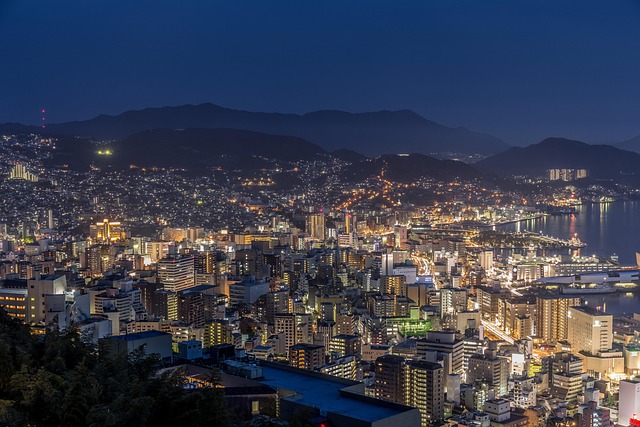
KEYWORDS: shinkansen train, kyoto temple, tokyo city skyline
Photo: Pixabay / Pixabay License