AKIO NARIMATSU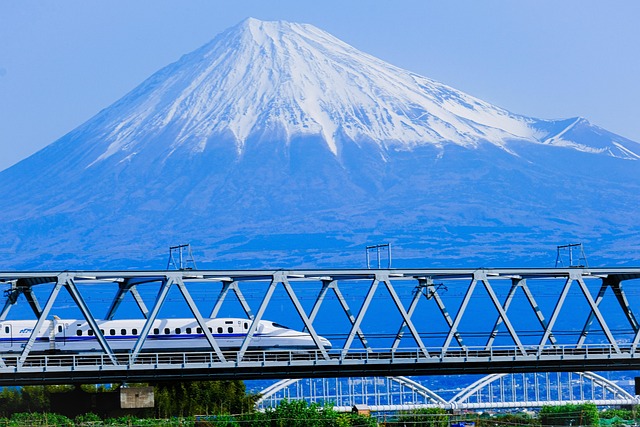
Pro-Tips for Your Next Japanese Sojourn
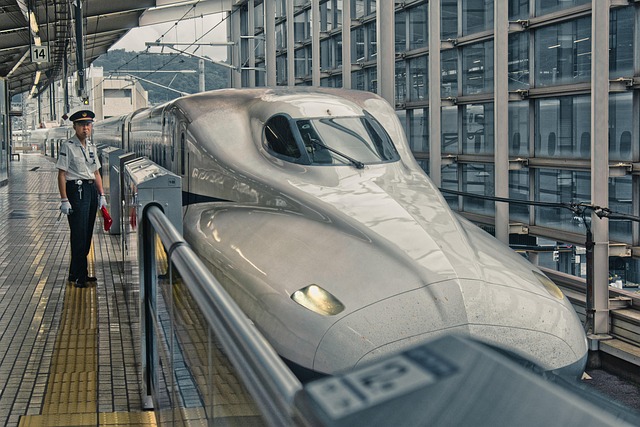
- Master the “Takkyubin” Hack: Use luggage forwarding services to send your large suitcases between Tokyo and Kyoto hotels. It costs roughly $15-20 per bag and saves you the nightmare of navigating Shinkansen stairs with heavy gear.
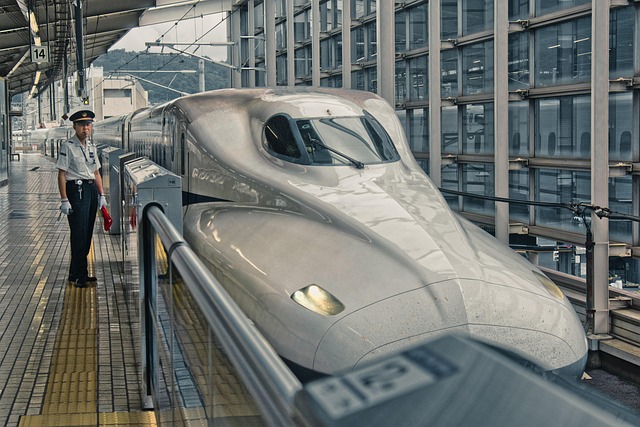
- The “Mount Fuji” Seat Rule: When booking your Shinkansen ticket from Tokyo to Kyoto, always request “Seat E” in ordinary cars (or “Seat D” in Green Cars) to catch the iconic view of Mt. Fuji on your right-hand side.
- Adopt the “Hub and Spoke” Strategy: Instead of changing hotels frequently, pick one central base in Tokyo and one in Kyoto. Use the extra nights to explore satellite cities like Kamakura or Uji without the hassle of re-packing.
- Digital IC Integration: Add a Suica or Pasmo card to your smartphone’s digital wallet before arrival. It eliminates the need to stand in line at ticket machines and works for vending machines and convenience stores nationwide.
The Invisible Wall: Why Standard Itineraries Fail
Most travelers approach Japan with a “checklist” mentality, fueled by guidebooks that treat Tokyo and Kyoto as mere stops on a high-speed circuit. The genuine frustration that seasoned travelers face—which glossy brochures rarely mention—is Transitional Fatigue. This is the exhaustion that sets in when you spend more time navigating train platforms and checking into hotels than actually experiencing the culture. When you rush through Tokyo in three days, you only see the neon surface. When you sprint through Kyoto, you only see the crowds. The “real” problem isn’t a lack of things to do; it’s the lack of “white space” in the schedule to allow the country’s subtler charms to reveal themselves.
Field-Tested Solutions for the Extended Stay
Tokyo: Beyond the Neon Horizon
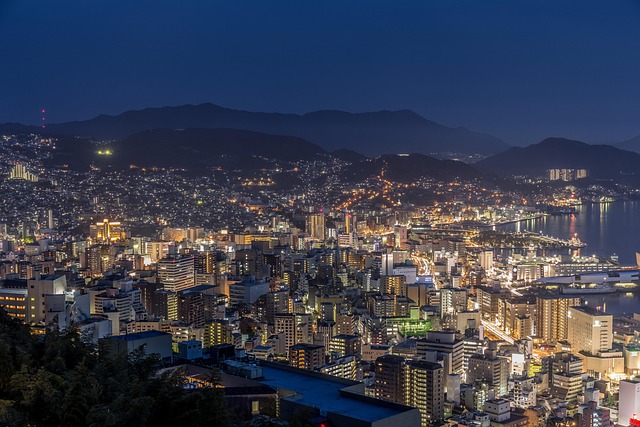
With three additional nights in the capital, the city transforms from a chaotic maze into a collection of distinct villages. Rather than adding more crowded districts like Harajuku to your list, look toward the “Shitamachi” (Old Town) areas. Use one extra day for a deep dive into Yanaka Ginza, where the atmosphere of pre-war Tokyo survives in narrow alleys and traditional craft shops. Another day should be dedicated to the coastal air of Kamakura; often called the “Kyoto of the East,” this seaside town offers Zen temples and surfing culture just an hour from Shinjuku. For your final extra night, explore the bohemian jazz bars and vintage record shops of Shimokitazawa, a neighborhood that truly comes alive only when the day-trippers have left.
Kyoto: The Spiritual Deep-Dive
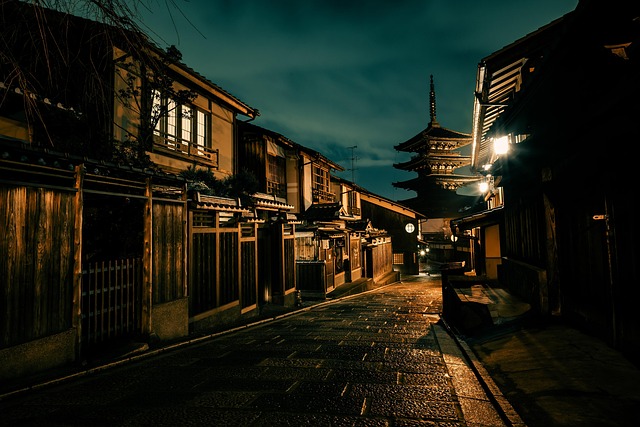
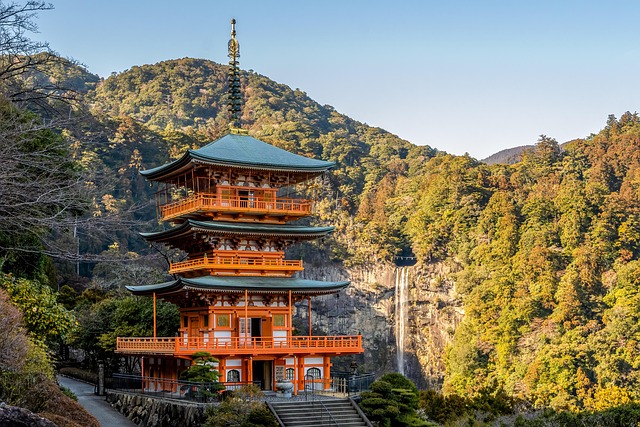
Kyoto demands a slower pulse. With three extra nights, you can escape the “Golden Pavilion” crowds and head north to Ohara. This rural farming village is home to Sanzen-in Temple, where the moss gardens and ancient cedars offer a silence that is impossible to find in the city center. Another day should be reserved for Uji, the green tea capital of Japan. It’s home to the Byodo-in Temple (featured on the 10-yen coin) and offers a much more manageable pace than the Arashiyama bamboo groves. Finally, consider a late-afternoon trip to the Fushimi Sake District. While most tourists only see the nearby Fushimi Inari shrines, the traditional wooden breweries along the canal offer a sophisticated glimpse into Japan’s culinary heritage.
The Insider Perspective: The Power of “Day Zero”
In my years of consulting for luxury inbound travel, I’ve observed that the most successful trips are those that incorporate what I call “Day Zero.” By extending your stay in Tokyo and Kyoto by three nights each, you aren’t just “adding sites”—you are buying the luxury of spontaneity. Japan is a country of serendipity; the best meal you will have won’t be the Michelin-starred omakase you booked months ago, but the hidden izakaya you stumbled into because you had the afternoon free to wander. By slowing down, you transition from a consumer of sights to a participant in the rhythm of Japanese life. That, more than any temple or skyscraper, is the ultimate souvenir.
KEYWORDS: kyoto temple garden, tokyo skyline night, shinkansen mount fuji
Photo: Pixabay / Pixabay License