AKIO NARIMATSU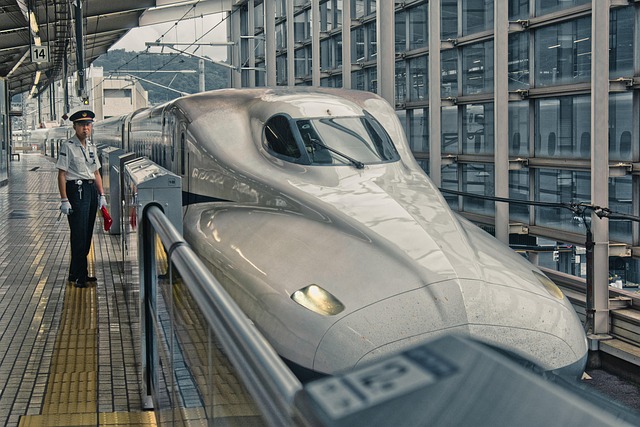
Expert Tips for a Seamless 21-Day Japan Expedition
- Master the Art of Luggage Forwarding: Avoid the physical toll of dragging suitcases through crowded stations by utilizing Takkyubin services. Forward your bags from Tokyo to Kyoto, or even directly to Fukuoka, for a fraction of the cost of a taxi.
- Monitor the Typhoon Calendar: September and early October are peak periods for tropical storms. Always have a “Plan B” involving indoor museums or underground shopping malls (Chikagai) for days when heavy rain disrupts rail travel.
- Leverage the “Half-Way” Reset: When traveling from Tokyo to the west, stop in a city like Nagoya or Shizuoka. These hubs offer world-class culinary scenes without the overwhelming tourist density of the capital.
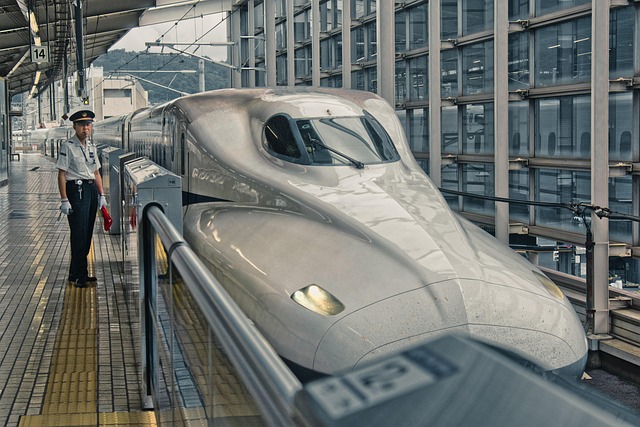
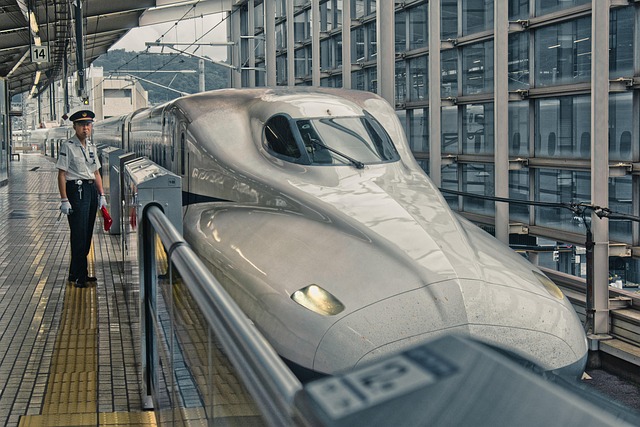
- Pre-Book High-Demand Transit: If your itinerary involves the “Nozomi” Shinkansen during public holidays or the transition into October, use the SmartEX app to reserve oversized luggage seats in advance.
The Invisible Wall: Why Guidebooks Fail the Long-Term Traveler
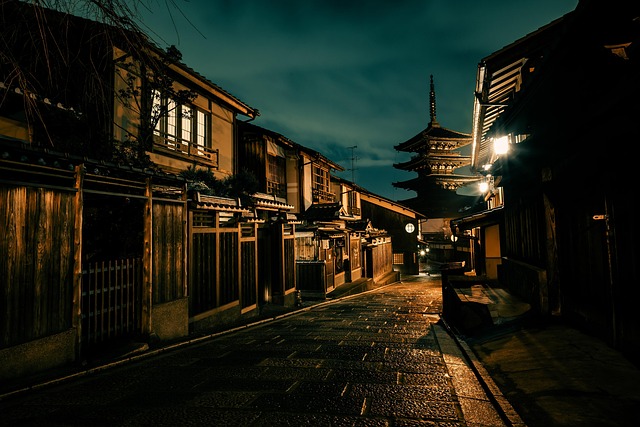
Most travel guides treat a 21-day itinerary as a series of isolated postcards, failing to account for the cumulative “sensory tax” of Japan. The real problem isn’t finding things to do; it’s the inevitable mid-trip burnout that occurs around day twelve. Guidebooks suggest a relentless pace of temples and shrines, but they rarely mention the “temple fatigue” that sets in after your fifth Zen garden. Furthermore, they often gloss over the logistical reality of the September humidity, which can turn a simple walk through Kyoto’s Gion district into an exhausting physical feat. Travelers often find themselves “checking boxes” rather than experiencing the culture, trapped by a rigid schedule that doesn’t allow for the spontaneous recovery time necessary for a three-week journey.
Field-Tested Strategies for Modern Explorers
To navigate the long-haul journey from Tokyo to the southern reaches of Kyushu, seasoned travelers are shifting their focus toward “buffer zones.” Instead of rushing the Golden Route, consider the strategic value of Kawaguchiko. Spending two nights at the base of Mt. Fuji early in the trip provides a necessary atmospheric reset before diving into the high-octane energy of Osaka.
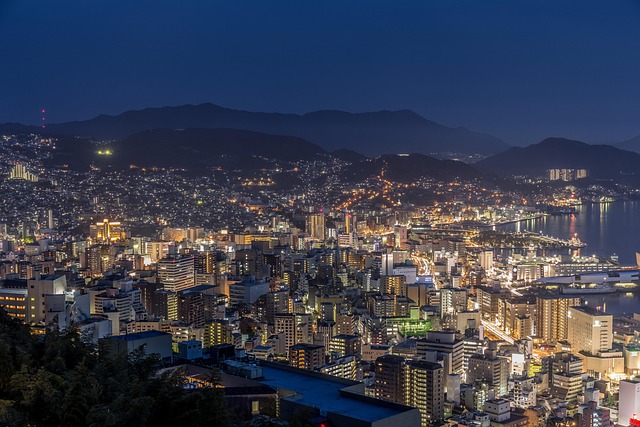
In Hiroshima and Miyajima, the secret to a meaningful visit is timing the tides. While guidebooks focus on the history, the true magic lies in staying overnight on the island of Miyajima. Once the final ferry departs with the day-trippers, the island transforms into a silent, spiritual sanctuary. Similarly, for those heading to Fukuoka, the city should be treated as a culinary reward. The Yatai (open-air food stalls) in Nakasu offer a communal dining experience that acts as the perfect antidote to the formal, sometimes isolating, dining structures found in Tokyo’s upscale districts.
The Insider’s Perspective: Balancing the Old and the New
From an industry standpoint, the most successful 21-day itineraries are those that acknowledge Japan’s regional diversity. We are currently seeing a significant trend toward “Southward Migration”—starting in the neon-lit corridors of Shinjuku and ending in the laid-back, cosmopolitan streets of Fukuoka. This route allows travelers to witness the gradual shift in Japanese culture, from the structured intensity of the Kanto region to the warmer, more approachable hospitality of Kyushu.
My professional recommendation is to lean into the transition of the seasons. Late September is a period of “Koyo-anticipation.” While you may miss the peak red maples, you gain the advantage of lower prices and significantly thinner crowds at major landmarks like Kinkaku-ji. Treat your third week not as a sprint to the finish, but as a deep dive into the local life of a single neighborhood in Osaka or Fukuoka. In the world of elite travel, the greatest luxury isn’t seeing everything—it’s having the time to see a few things deeply.
KEYWORDS: japan shinkansen, kyoto temple, fukuoka street food
Photo: Pixabay / Pixabay License