AKIO NARIMATSU
Essential Strategies for Your Next Japan Adventure
- Leverage Hands-Free Travel: Use Takkyubin (luggage forwarding services) to send your large suitcases between Tokyo and Osaka. Navigating Shinkansen stations with heavy bags is the leading cause of arrival-day exhaustion.
- The “Exit Number” Rule: When using navigation apps in major hubs like Shinjuku or Umeda, ignore the street names. Look exclusively for the yellow exit numbers (e.g., Exit A1, Exit 14) to avoid getting lost in the subterranean labyrinths.
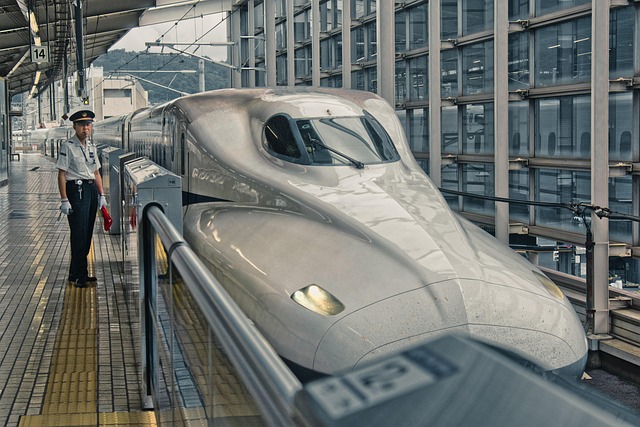
- Book Shinkansen Seats on the Right: When traveling from Tokyo toward Osaka, book “Seat E” in Ordinary cars or “Seat D” in Green cars to catch the most iconic view of Mount Fuji from your window.
- Digital IC Cards: Add a Suica or Pasmo card to your smartphone’s digital wallet before you leave home. This eliminates the need to queue at physical ticket machines and allows for seamless tapping at transit gates and vending machines.
The Invisible Exhaustion of the “Golden Route”
Most guidebooks present the 10-day Tokyo-to-Osaka itinerary as a series of highlights to be checked off a list. They speak of efficiency, transit times, and “must-see” shrines. However, they rarely mention the sensory and logistical fatigue that sets in by day four. The “real” problem travelers face isn’t a lack of things to do; it is the sheer density of Japan’s urban environments. Moving between two of the world’s most populous metropolitan areas in less than a fortnight often results in “temple burnout” and the feeling that you are merely commuting rather than vacationing.
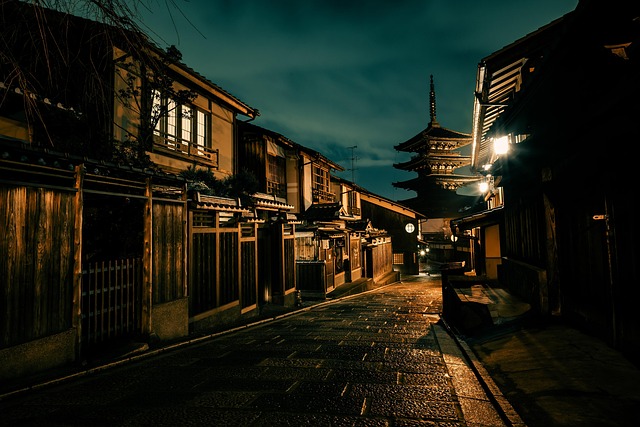
The standard itinerary suggests you can see the Gion District, Fushimi Inari, and a dozen temples in a single Kyoto day-trip from Osaka. In reality, the crowds and the walking distances turn these “highlights” into a grueling endurance test that leaves little room for the spontaneous discovery that makes Japan so magical.
Field-Tested Hacks for a Seamless Transition
Through extensive field testing and on-the-ground adjustments, seasoned travelers have found ways to reclaim their time and sanity. One of the most effective workarounds is the “Umeda Pivot.” While many tourists flock to Namba for its neon lights, savvy visitors base themselves in the Umeda/Osaka Station area. This provides direct access to the JR lines for Kyoto and Kobe, saving up to 40 minutes of transit time per day compared to staying further south.
Another insider hack involves the “Depachika Dining Strategy.” Instead of spending two hours queuing for a famous ramen shop, head to the basement level of major department stores like Daimaru or Takashimaya. These food halls offer gourmet-quality meals, from Wagyu bento boxes to artisanal sushi, at a fraction of restaurant prices. It’s the perfect way to enjoy high-end Japanese cuisine without the “tourist tax” of long wait times, allowing you to spend your evenings exploring the city’s hidden bars instead of standing in line.
The Evening Shinkansen Shift
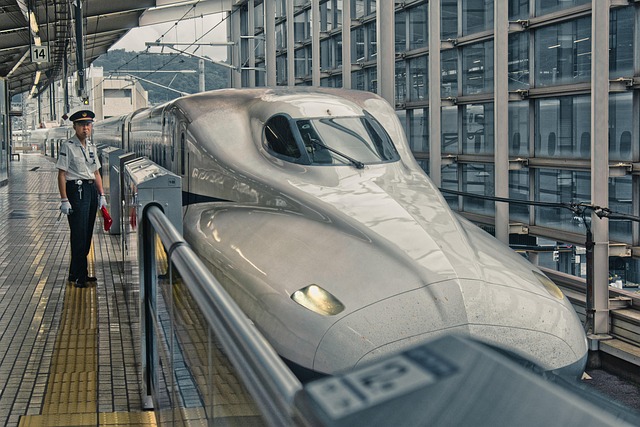
Maximize your daylight hours by scheduling your inter-city travel for the early evening. Instead of wasting a prime morning moving from Tokyo to Osaka, take a Shinkansen around 6:00 PM. You can enjoy an ekiben (station bento) on the train, arrive at your next hotel by 8:30 PM, and wake up already positioned for a full day of sightseeing in a new city.
An Insider’s Perspective: The Value of the “Nothing Day”
As an industry professional, I’ve seen countless itineraries that are architecturally perfect but humanly impossible. My ultimate recommendation for a 10-day trip is to intentionally schedule a “Nothing Day” at the midway point. In a country where every square inch is designed for efficiency and stimulation, the most luxury you can afford yourself is a day without a reservation, a GPS destination, or a checklist.
The true essence of Japan is found in the quiet moments: the smell of incense in a neighborhood shrine that isn’t on the map, the precision of a local craftsman in a quiet alley, or the peacefulness of a residential park in Setagaya. By slowing down and narrowing your focus, you don’t miss out on Japan; you finally start to see it clearly.
KEYWORDS: japan city street, shinkansen train, osaka nightlife
Photo: Pixabay / Pixabay License