AKIO NARIMATSU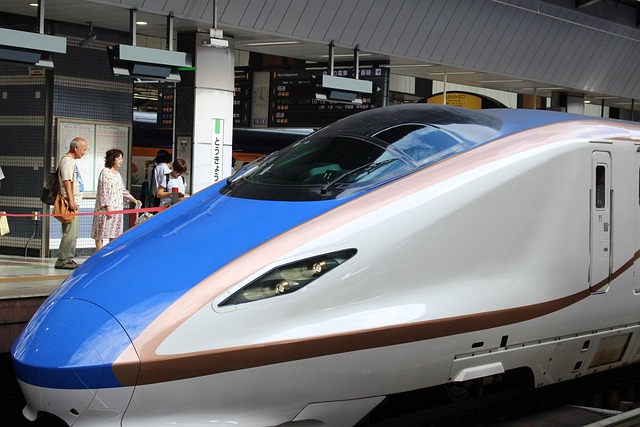
Essential Tactics for a Seamless Japanese Expedition
- Digitalize Your Transit: Skip the search for physical IC cards, which are frequently in short supply. Add a Suica or Pasmo directly to your smartphone’s digital wallet before arrival to tap-and-go at every turnstile and vending machine.
- Master the “Takkyubin” System: Never haul heavy suitcases through train stations. Use hands-free travel services to ship your luggage from hotel to hotel for roughly $15–$20 per bag; it is the single most effective way to preserve your energy.
- Secure the “Big Three” Reservations: If your itinerary includes the Ghibli Museum, Shibuya Sky, or premium themed cafes, set calendar alerts for the exact minute bookings open—usually 30 days in advance—as these sell out within seconds.
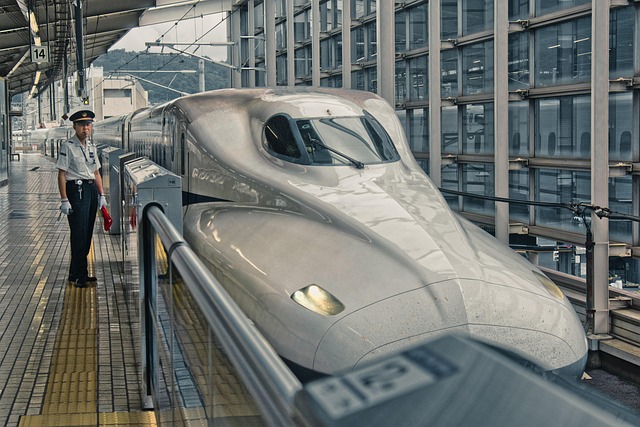
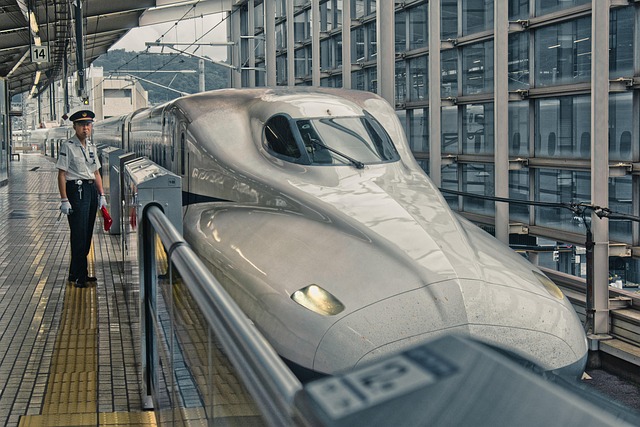
- The Oversized Baggage Rule: If you must carry large suitcases on the Shinkansen, you must book a specific “oversized baggage” seat. Failure to do so can result in a fine and the inconvenience of being moved to a different car.
The Invisible Barrier: The Rigidity of the “Golden Route”
While guidebooks paint a picture of Japan as a land of effortless automation and clockwork precision, they often gloss over the “Logistical Rigidity” that catches modern travelers off guard. The real frustration isn’t the language barrier—it is the uncompromising nature of Japanese systems. In many Western destinations, a degree of “winging it” is expected. In Japan, the lack of a reservation or a misunderstanding of a specific queueing rule can result in a total lockout from an experience. Travelers often find themselves exhausted not from sightseeing, but from the mental load of navigating a society that operates on strict, pre-defined protocols for everything from dining to boarding a train.
Field-Tested Workarounds for the Sophisticated Traveler
Decoding the Dining Dilemma
One of the best-kept secrets for finding elite culinary experiences is to look beyond the viral “Instagrammable” spots which often have three-hour waits. Instead, use local ranking platforms like Tabelog, but with a specific filter: look for scores between 3.1 and 3.5. In the Japanese rating system, a 4.0 is nearly impossible to achieve, and a 3.2 often represents a high-quality, neighborhood gem that offers a more authentic experience without the tourist-heavy crowds.
The Mid-Morning Transition
To avoid the crushing weight of the daily commute, schedule your inter-city travel between 10:30 AM and 3:30 PM. This “golden window” falls after the salaryman morning rush and before the evening surge. You will find station concourses significantly more navigable and overhead bins on trains much more accessible. Furthermore, checking into your next destination during these hours often allows you to drop bags before the official check-in time, freeing you for a productive afternoon.
Regional Hubbing
Rather than staying in the hyper-congested centers of Tokyo or Kyoto, savvy travelers are now utilizing “Hub Cities” like Okayama or Kanazawa. These cities offer high-speed Shinkansen access to major sites but provide a significantly lower stress environment, better hotel value, and a chance to breathe between high-intensity sightseeing days.
The Insider’s View: Moving Toward “Quality over Quantity”
As an industry professional, I have watched Japan’s tourism landscape shift from a focus on volume to a focus on sustainable, high-value experiences. The infrastructure is currently under immense pressure. The most successful travelers today are those who stop trying to “see it all” and instead focus on “doing it right.” This means prioritizing fewer destinations and investing time in understanding the local etiquette and booking systems. Japan rewards the prepared. When you respect the logic of their systems—by forwarding your bags, booking your transit in advance, and seeking out secondary cities—the country opens up in a way that the average tourist will never experience. The goal is no longer just to visit Japan, but to navigate it with the grace of a local.
KEYWORDS: shinkansen train, luggage forwarding, tokyo street scene
Photo: Pixabay / Pixabay License