AKIO NARIMATSU
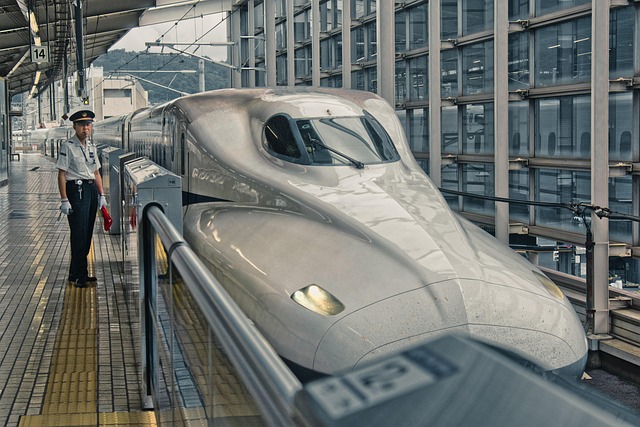
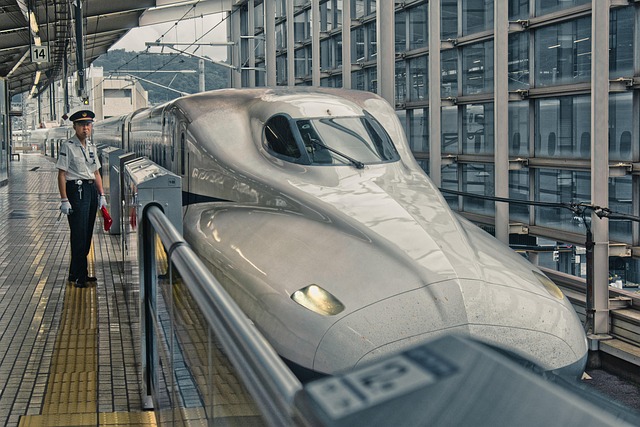
- Leverage Luggage Forwarding (Takkyubin): Never drag heavy suitcases through the labyrinthine corridors of Shinjuku or Osaka-Umeda stations. Use “Takkyubin” services to send your bags from hotel to hotel for roughly $15-$20, allowing you to travel “hands-free” on the Shinkansen.
- The “Mount Fuji” Seat Rule: When booking your Shinkansen ticket from Tokyo to Osaka, always request a seat on the “D” or “E” side (the right side of the train) to secure a clear view of Mount Fuji as you speed past Shizuoka.
- Digital IC Cards are Essential: Skip the ticket machines. Add a Suica or Pasmo card directly to your Apple or Google Wallet before you land. It works for all local trains, buses, and even vending machines with a simple tap of your phone.
- The 7:00 AM Strategy: To experience the serenity of places like Kyoto’s Fushimi Inari or Tokyo’s Senso-ji without the wall-to-wall crowds, you must arrive by 7:00 AM. By 10:00 AM, the “magic” is replaced by a sea of selfie sticks.
The Invisible Exhaustion of the “Golden Route”
Standard guidebooks present the Tokyo-Osaka-Kyoto itinerary as a seamless transition between ultra-modernity and ancient tradition. However, they rarely mention the “Real Problem”: Decision Fatigue and Physical Burnout. Travelers often underestimate the sheer scale of these cities. Walking 25,000 steps a day while navigating the world’s most complex transit systems leads to a specific kind of “temple burnout” by day six.
The frustration doesn’t stem from a lack of things to see, but from the pressure to see everything. Most visitors spend more time staring at Google Maps or standing in Shinkansen ticket lines than actually soaking in the atmosphere of a Japanese moss garden or a neon-lit alleyway.
Field-Tested Workarounds for the Smart Traveler
The Osaka “Hub” Strategy
One of the most effective hacks used by seasoned visitors is treating Osaka as a strategic home base rather than a mere stopover. Instead of packing and unpacking between Osaka, Kyoto, and Nara, book a single hotel near Namba or Umeda Station. Kyoto is a mere 30-minute train ride away, and Nara is even closer. This “hub-and-spoke” model saves hours of logistical headache and allows you to enjoy Osaka’s vibrant nightlife without worrying about the last train back to a different city.
Mastering the “Depachika” for Gourmet Dining
If you find yourself overwhelmed by the hour-long queues at famous ramen shops, head to the basement of major department stores like Takashimaya or Isetan. These “Depachika” (food halls) offer Michelin-quality bento boxes, fresh sushi, and wagyu beef at a fraction of restaurant prices. It is the ultimate insider move for a high-end dinner without the reservation stress.
Alternative Neighborhoods for Authentic Vibes
While Shibuya and Harajuku are iconic, they are often claustrophobic. For a more authentic, local experience, swap the “Scramble” for Shimokitazawa (Tokyo’s vintage and bohemian heart) or Kichijoji. These areas offer the same creative energy but at a human scale, allowing for genuine interactions with local shopkeepers and artisans.
The Expert Perspective: Quality Over Connectivity
In my years observing the evolution of Japanese tourism, I have noticed that the most successful trips are those that build in “buffer days.” The temptation is to fill every hour with a shrine, a museum, or a themed cafe. However, Japan reveals its true character in the quiet moments: a sudden rainstorm in a Gion alley, a perfect cup of tea in a Yanaka cafe, or watching the sunset over the Umeda Sky Building.
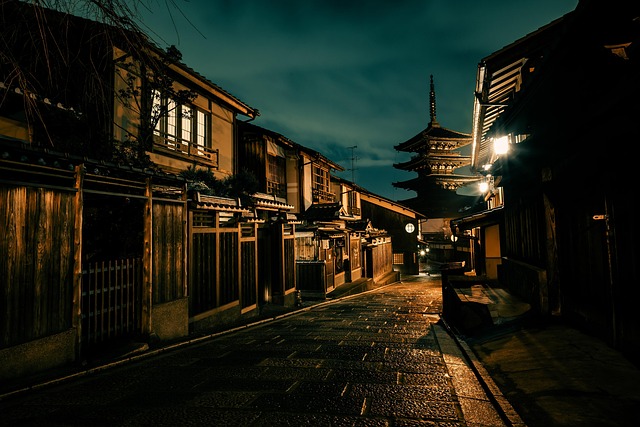
My final professional advice: Do not let the efficiency of the Shinkansen dictate the pace of your soul. Pick three “must-see” items per city, and leave the rest of the day to chance. In Japan, the best memories are rarely the ones you scheduled six months in advance; they are the ones you stumbled upon because you had the time to turn down a narrow, lantern-lit side street.
KEYWORDS: japan travel, shinkansen, tokyo street
Photo: Pixabay / Pixabay License