AKIO NARIMATSU
Quick Wins for Your Next Japan Expedition
- Digitize Your Transit: Avoid the frustration of “sold out” physical IC cards by adding a Suica or Pasmo directly to your smartphone’s digital wallet before arrival. This allows for seamless “tap-and-go” entry at almost every station and vending machine in the country.
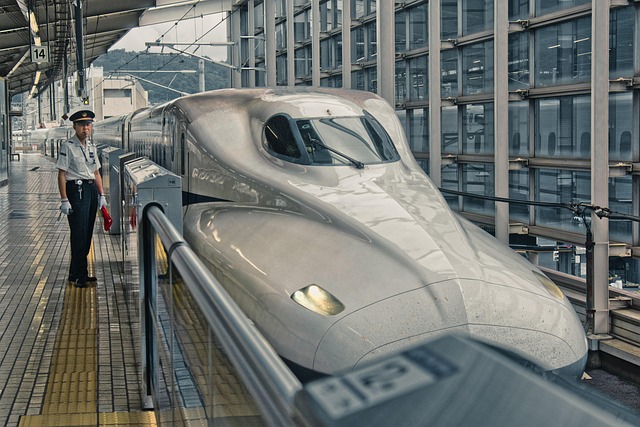
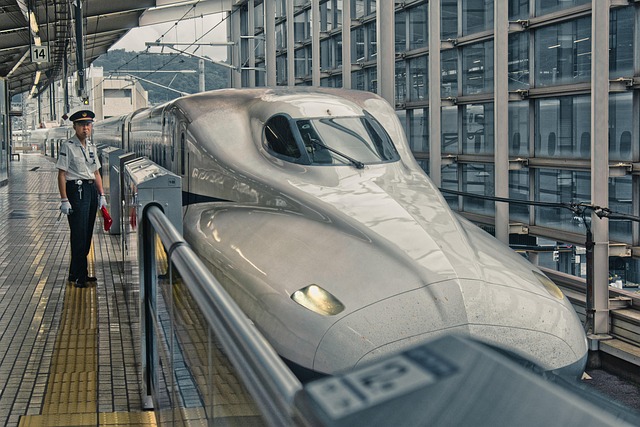
- Master the Shinkansen App: Download the Smart EX app to book Bullet Train seats in advance. During peak seasons like Sakura or Golden Week, unreserved cars are often standing-room only; booking a specific seat (and luggage space) is non-negotiable.
- Deploy the “Hands-Free” Strategy: Utilize Takkyubin (luggage forwarding services) to send your heavy suitcases between hotels. Navigating the crowded Osaka or Shinjuku stations with large bags is the fastest way to ruin a travel day.
- The 90-Day Reservation Rule: For high-demand experiences like Ghibli Park in Nagoya or TeamLab Borderless in Tokyo, set calendar alerts for exactly when tickets drop. These are no longer “walk-in” attractions; they are months-long strategic captures.
The Invisible Wall: What Guidebooks Won’t Tell You About Peak Season
Modern guidebooks excel at telling you where to go, but they fail to describe the psychological weight of Japan’s current tourism boom. The “real” problem facing travelers today isn’t a lack of information—it’s the friction of the crowds. During peak windows like the cherry blossom season, the serene, Zen-like Japan depicted in brochures is often replaced by “overtourism fatigue.”
The frustration stems from the logistical bottleneck: finding that every recommended restaurant has a two-hour wait, every Shinkansen to Kyoto is fully booked, and every photo opportunity is contested by a sea of selfie sticks. This “invisible wall” can turn a dream vacation into an exhausting exercise in line-standing if you rely solely on traditional advice.
Field-Tested Hacks: Navigating the Golden Triangle
To bypass the common pitfalls of the Tokyo-Nagoya-Osaka route, seasoned travelers are now adopting “field-tested” workarounds that prioritize efficiency over traditional sightseeing.
The Nagoya Pivot
While most travelers rush through Nagoya on their way to Kyoto, savvy visitors are using it as a strategic “relief valve.” Nagoya offers world-class attractions like the new Ghibli Park and the SCMAGLEV and Railway Park without the crushing density of Tokyo. It serves as a perfect mid-point base, offering high-end dining and luxury hotels at a lower price point and with far more availability than its neighbors.
Gourmet Without the Queue
Instead of queuing for hours at “famous” Michelin-starred ramen shops, head to the Depachika (department store basement food halls) at Takashimaya or Isetan. Here, you can find restaurant-quality bento, fresh sushi, and wagyu beef that rivals high-end sit-down establishments. It is the ultimate insider hack for eating like royalty while bypassing the reservation wars.
The Smart EX “Change” Feature
One of the most powerful tools in a professional traveler’s kit is the ability to modify Shinkansen bookings via the Smart EX app up to four minutes before departure. If you finish your sightseeing in Osaka early, you can move your Tokyo-bound train up on the fly, ensuring you never waste an hour sitting on a station floor.
The Insider’s Perspective: A Shift Toward Strategic Fluidity
From my vantage point in the industry, the “Japan experience” has fundamentally changed post-2023. We are seeing a shift away from rigid itineraries toward what I call “Strategic Fluidity.” The most successful travelers today are those who treat their smartphone as their primary tool—not just for photos, but for real-time logistics.
The era of the physical JR Pass is largely over for the average tourist due to recent price hikes; the focus has shifted to localized efficiency. My recommendation for the discerning traveler is to embrace the “Second City” mentality. If Tokyo is too loud, find the quiet corners of Nagoya or the residential charm of western Osaka. Japan’s true magic isn’t found in the spots everyone is geotagging, but in the seamless transition between the high-tech convenience of its infrastructure and the quiet, disciplined hospitality that still exists—if you know how to navigate the noise.