AKIO NARIMATSU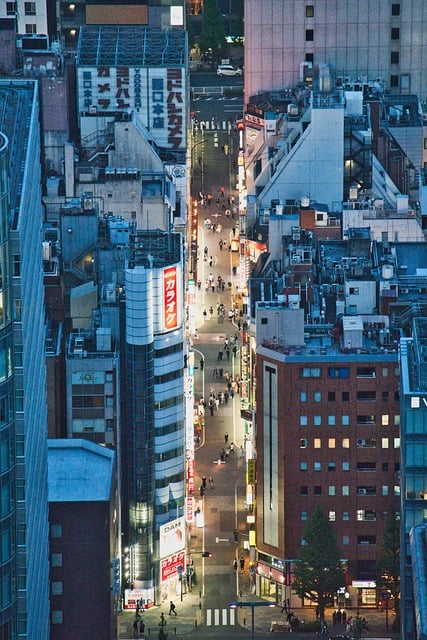
Essential Tips for a Seamless One-Week Japan Itinerary
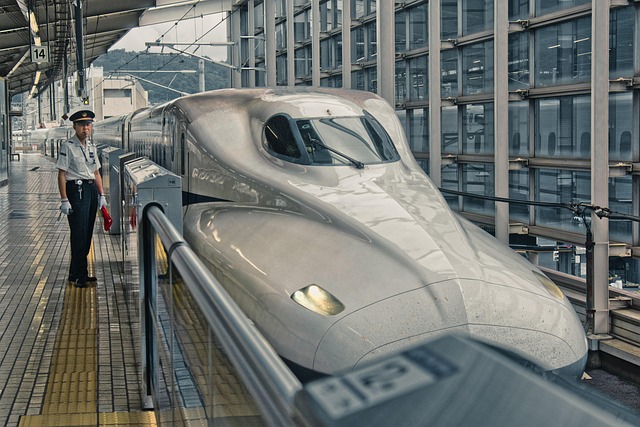
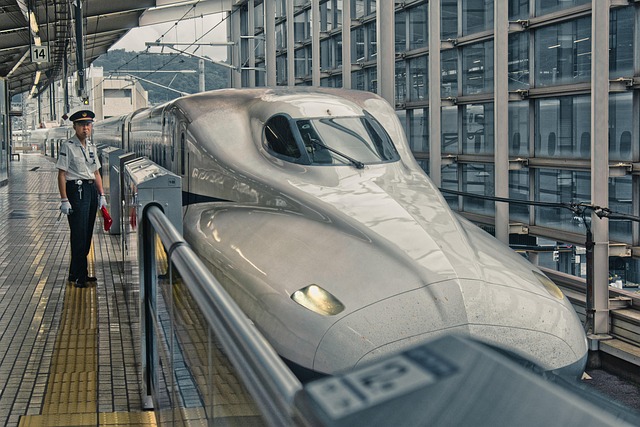
- Leverage Luggage Forwarding (Takkyubin): Never haul large suitcases through Shinjuku or Osaka Station. Arrange for your hotel to ship your bags to your next destination for a nominal fee, allowing you to travel hands-free on the Shinkansen.
- Digital IC Cards: Add a Suica or Pasmo card directly to your smartphone’s digital wallet before arrival. This eliminates the need to navigate confusing ticket machines and works for almost all local transit and convenience stores.
- The “Right-Side” Rule: When booking your Shinkansen ticket from Tokyo to Osaka, request a seat in Row E (the mountain side) for the best chance of spotting Mount Fuji as you speed past Shizuoka.
- Strategic Hubbing: Instead of changing hotels frequently, use Osaka as a permanent base for exploring Kyoto, Nara, and Kobe. The transit links are so efficient that moving luggage between these cities is a waste of valuable sightseeing time.
The Invisible Exhaustion: The “Transit Trap” Guidebooks Ignore
The most significant frustration travelers face when attempting a seven-day Tokyo-to-Osaka sprint isn’t the language barrier or the navigation—it is the physicality of the transition. Guidebooks often list a Shinkansen journey as a simple “two-and-a-half-hour trip.” In reality, when you factor in packing, checking out of a hotel, navigating the labyrinthine depths of Tokyo Station, the actual travel time, and the subsequent check-in at your next destination, you have sacrificed an entire day of your trip to logistics.
Many first-time visitors arrive in Osaka feeling “vacation-fatigued” because they’ve spent their first 72 hours trying to “beat” the clock. The psychological weight of a rigid, multi-city schedule often prevents travelers from actually experiencing the atmosphere of the neighborhoods they are in, turning a dream vacation into a series of checked boxes and missed connections.
Field-Tested Workarounds for the Time-Crunched Traveler
The “Hub and Spoke” Logistics Strategy
The most effective way to maximize a one-week window is to treat your itinerary as two distinct chapters: Urban Neon (Tokyo) and Cultural Soul (The Kansai Region). Rather than splitting your time between Tokyo, Kyoto, and Osaka, choose just two hotels. By staying in Osaka—specifically near the Namba or Umeda districts—you are only 15 to 30 minutes away from the heart of Kyoto. This allows you to decide your daily destination based on the weather or your energy levels, rather than a pre-paid hotel reservation.
Mastering the “After-Hours” Economy
In Tokyo, most major sights and shops don’t open until 10:00 AM or 11:00 AM. To reclaim your time, flip your schedule. Use the early morning hours for outdoor shrines like Meiji Jingu or Senso-ji, which have no “closing” hours. Save your transit time for the mid-afternoon “slump” when the heat or the crowds are at their peak. By moving between cities during the 2:00 PM to 4:00 PM window, you arrive just in time for hotel check-in and the vibrant evening food scene in Osaka’s Dotonbori.
The Insider’s Perspective: Quality Over Proximity
From an industry standpoint, the biggest mistake is the “FOMO” (Fear Of Missing Out) that leads travelers to cram five cities into seven days. Japan is a country of layers; you will see more by standing still in a Shinjuku alleyway for an hour than you will by rushing through four temples in Kyoto in a single afternoon.
My professional recommendation for a one-week trip is the 4-3 Split: Four nights in Tokyo to adjust to the pace and explore the diverse wards like Shimokitazawa and Akihabara, followed by three nights in Osaka. Osaka serves as a more relaxed, approachable gateway to Western Japan. It is the nation’s kitchen, and its proximity to Nara’s deer park and Kyoto’s historical districts makes it the most efficient “second act” for any high-speed itinerary. Remember, the goal of your first trip to Japan shouldn’t be to see everything, but to ensure you enjoy it enough to want to return.
KEYWORDS: shinkansen, tokyo skyline, dotonbori neon
Photo: Pixabay / Pixabay License