AKIO NARIMATSU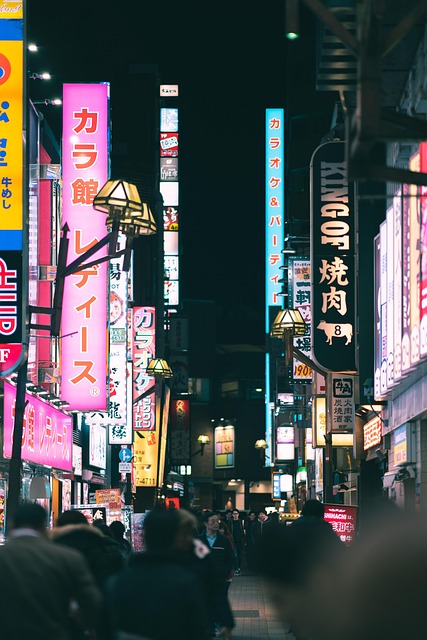
Mastering the Metropolis: A Strategic Guide to Your First Tokyo Odyssey
- Digitalize Your Transit: Skip the physical ticket machines and add a Suica or Pasmo card directly to your smartphone’s digital wallet. This allows for seamless “tap-and-go” entry at turnstiles and instant top-ups, eliminating the friction of calculating fares.
- The Luggage Forwarding Secret: Use Takkyubin (luggage forwarding services) to send your heavy suitcases from the airport to your hotel, or between cities. Navigating Shinjuku Station with a large bag is a rookie mistake that costs you hours of energy and patience.
- The “One Hub” Rule: When booking accommodation, prioritize proximity to the Yamanote Line. Staying near a major station like Ueno, Shinagawa, or Ebisu provides direct access to the city’s circular artery, drastically reducing transfer times.
- Pre-Book the “Big Three”: Iconic experiences like the Ghibli Museum, teamLab Borderless, and high-end omakase dining often sell out weeks—if not months—in advance. Set calendar alerts for release dates to avoid disappointment.
The Invisible Barrier: The Problem with Guidebook Logic
Most travelers arrive in Tokyo armed with a checklist of iconic landmarks, only to find themselves exhausted by midday. The “real” problem that standard guidebooks fail to mention is the sheer logistical fatigue caused by Tokyo’s scale. It is not a single city, but a dense cluster of distinct urban centers. A typical itinerary that jumps from Asakusa in the east to Harajuku in the west, and back to Ginza for dinner, results in three hours of transit and ten miles of walking through subterranean concrete tunnels. The frustration isn’t finding things to do; it’s the cumulative “decision fatigue” and physical toll of navigating a city designed for efficiency, not for the wandering tourist.
The Strategic Pivot: Field-Tested Workarounds
To truly conquer Tokyo, you must adopt the “Neighborhood Clustering” method. Instead of chasing landmarks, dedicate entire days to specific zones. If you are in Shibuya, spend your time exploring the backstreets of Daikanyama and the quiet corners of Yoyogi, rather than rushing across the city for a single photo opportunity. This allows you to absorb the atmosphere rather than just the highlights.
Another insider hack involves the “Depachika”—the basement food halls of major department stores like Isetan or Mitsukoshi. While travelers wait in two-hour lines for “viral” ramen shops, savvy visitors head to these basements for world-class sushi, wagyu bento boxes, and artisanal pastries at a fraction of the time and cost. It is the highest-quality fast food on the planet, perfect for a gourmet picnic in Shinjuku Gyoen National Garden.
Finally, utilize the “Vertical City” strategy. In Tokyo, the best bars, cafes, and shops are rarely on the ground floor. Look up. Some of the most authentic jazz kissa (listening cafes) and craft cocktail bars are tucked away on the 6th or 7th floor of nondescript narrow buildings. If a directory is in Japanese, use a live translation app; these hidden levels are where the city’s true personality resides.
The Insider’s Perspective: Cultivating the Tokyo Rhythm
As someone who has navigated the Japanese tourism industry for years, I have seen thousands of visitors prioritize “sightseeing” over “experiencing.” Tokyo is at its most magical in the quiet beats between the famous shrines and neon crossings. My professional advice is to leave at least 30% of your itinerary completely blank.
The soul of Tokyo isn’t found at the top of the SkyTree; it’s found in a 10-seat izakaya in a residential alleyway, or watching the morning mist rise over a local neighborhood temple while the rest of the tourists are still asleep. Shift your focus from the “what” to the “how.” Travel slower, look higher, and allow the city to reveal itself to you on its own terms. Your best memories won’t be the ones you planned; they will be the ones you stumbled upon because you had the logistical freedom to wander.
KEYWORDS: tokyo street neon, shinjuku station, japanese food bento
Photo: Pixabay / Pixabay License