AKIO NARIMATSU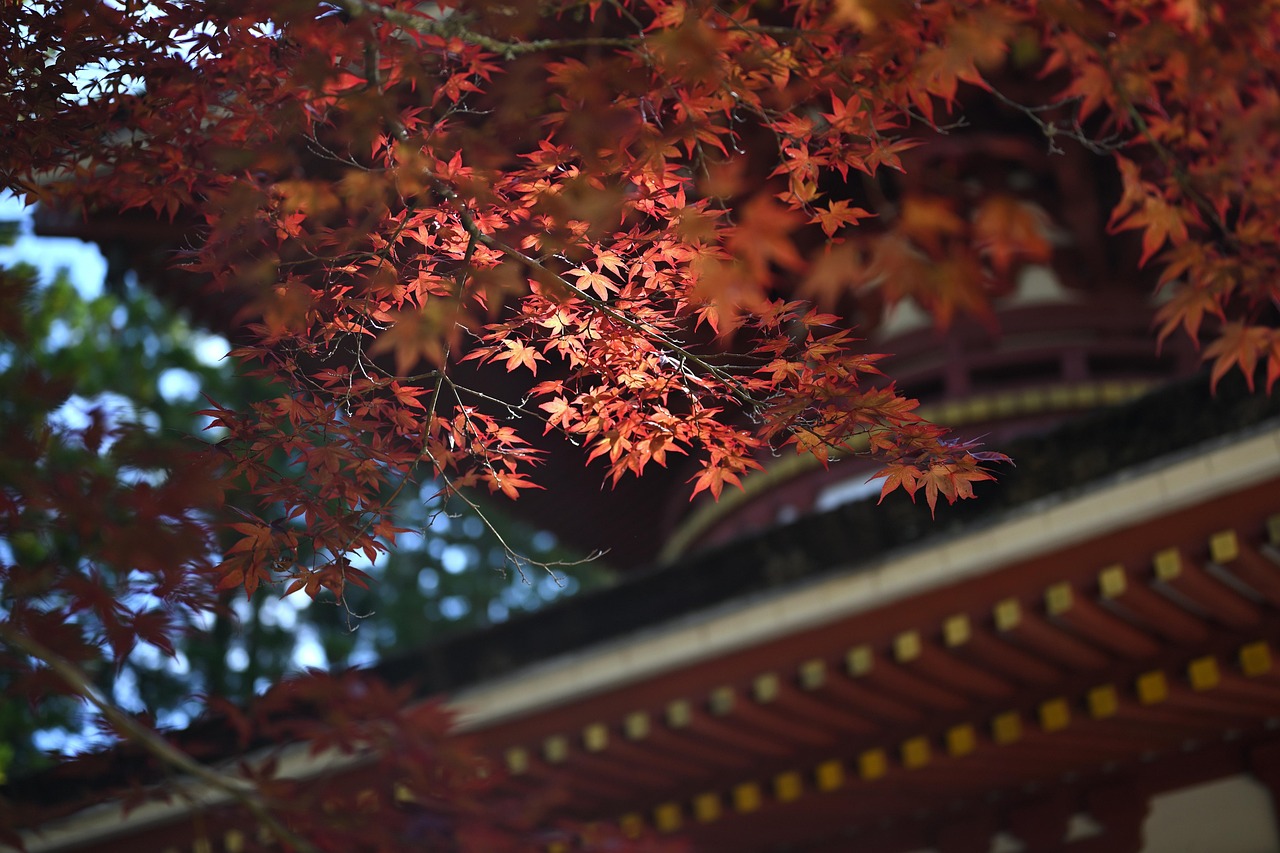
Planning a four-week odyssey through Japan during the shoulder season of September and October is a masterstroke—if you know how to handle the nuances. While the brochures promise fiery maples and crisp air, the reality on the ground involves navigating a complex transition of weather, logistics, and post-price-hike transportation.
Before we dive into the strategy, here are your immediate action items for a seamless trip:
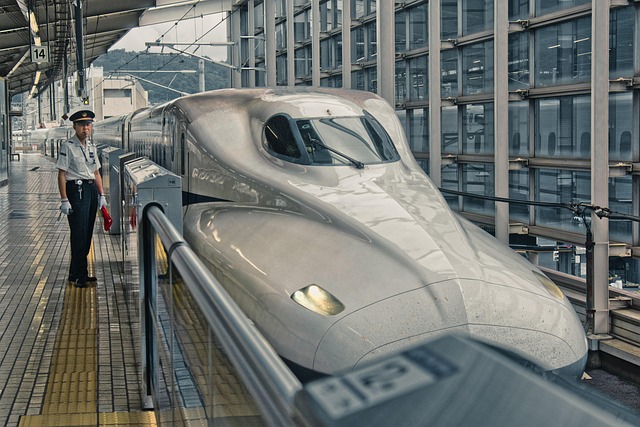
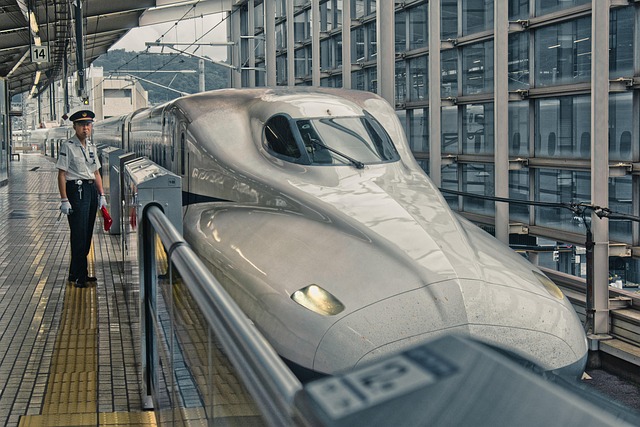
- Ditch the National JR Pass: Unless you are traveling the entire length of the country in a week, use regional passes or point-to-point tickets booked via the SmartEX app.
- Leverage “Takkyubin” (Luggage Delivery) Every Time: Never drag a suitcase onto a crowded Shinkansen. Send your bags ahead from your hotel lobby for about $15–$20.
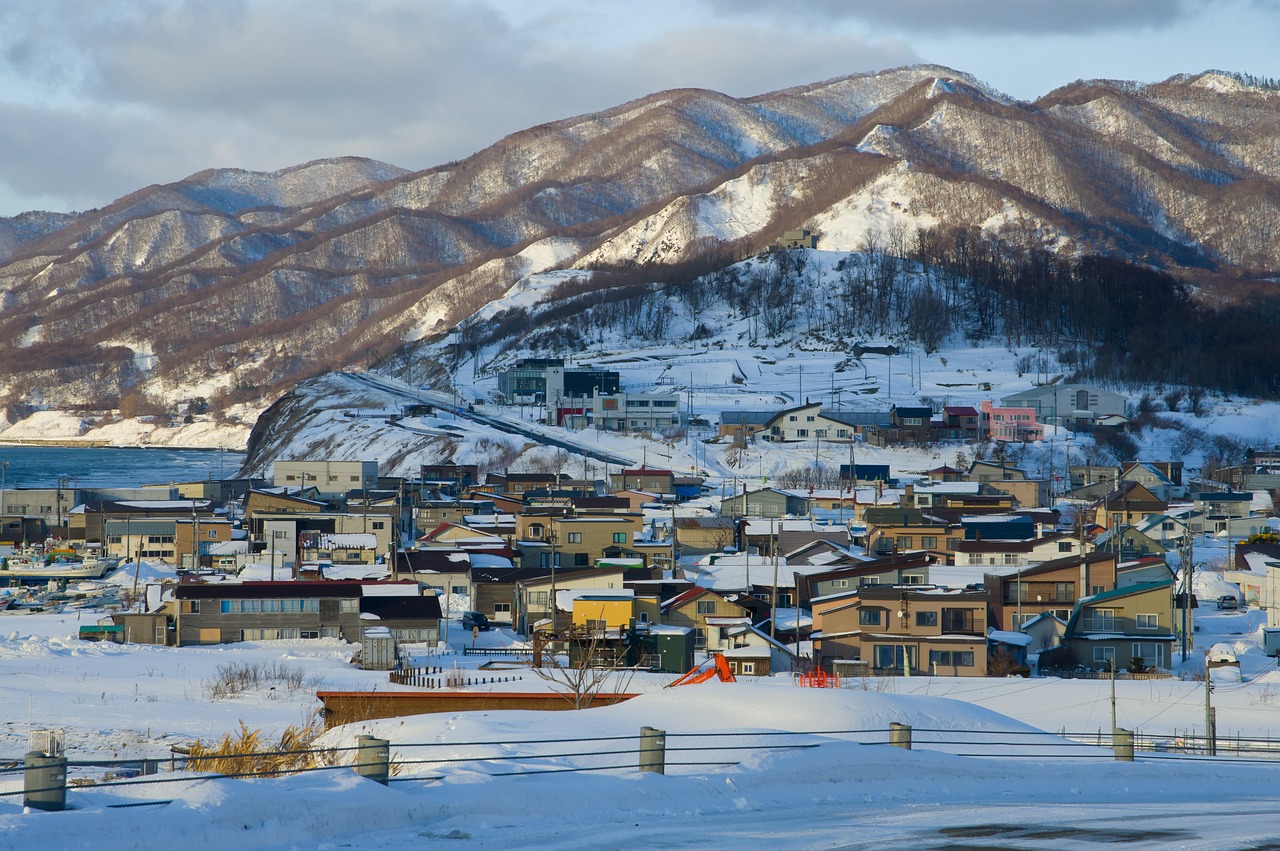
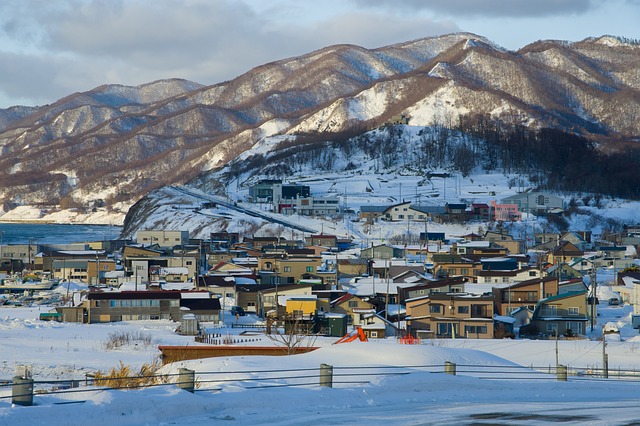
- The “North-to-South” Rule: To catch the best weather and avoid the lingering summer humidity, start your journey in Hokkaido or Northern Tohoku and move south.
- Book “Business Hotels” for Solos: Chains like Dormy Inn or Richmond Hotels offer superior amenities (and often hot springs) at a fraction of the cost of international brands.
The “Real” Problem: The Gap Between Expectation and Infrastructure
The most significant hurdle travelers face isn’t finding a good ramen shop; it’s the logistical friction of a country in transition.
Many travelers arrive in September expecting autumn colors, only to be met with 30°C (86°F) heat and high humidity, or worse, a typhoon that halts the rail network. The “Real Problem” is flexibility. Most guidebooks suggest a rigid itinerary, but the reality of Japanese autumn requires the ability to pivot. Furthermore, since the massive price hike of the Japan Rail Pass, the old “just buy a pass and jump on any train” strategy is now a recipe for overspending.
The Hidden Solutions: Tactics from the Ground
While the surface-level advice is to “visit Kyoto,” the seasoned traveler knows that Kyoto in October can be an endurance test of crowds. Here are the tactical workarounds:
1. The Regional Pass Pivot
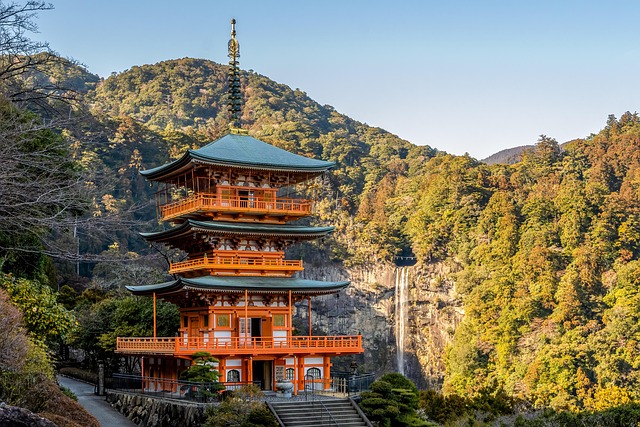
Instead of the expensive National Pass, look at the Hokuriku Arch Pass or the Kansai Wide Area Pass. These allow you to explore “Deep Japan”—places like Kanazawa, Tsuruga, or the Kumano Kodo—at a much lower price point while still utilizing the Shinkansen for major legs of the trip.
2. The 24-Hour Luggage Buffer
A common “muddy” mistake is waiting for luggage. The pro move? Pack a small “overnight rucksack” and send your main suitcase via Takkyubin two days before you move to your next major city. This allows you to spend a night in a remote ryokan or a mountain temple without the burden of heavy gear, meeting your bag at your next “base” hotel.
3. Weather-Proofing via Underground Cities
If a typhoon hits or the September heat becomes unbearable, don’t retreat to your hotel. Japanese cities (especially Tokyo, Osaka, and Nagoya) have vast, climate-controlled underground networks filled with world-class dining and shopping. You can practically walk across entire districts without ever seeing the sun—or the rain.
The Professional Perspective: The Art of the “Base”
From an industry insider’s view, the biggest mistake is the “One-Night Stand” itinerary—changing hotels every night to see more. This leads to burnout.
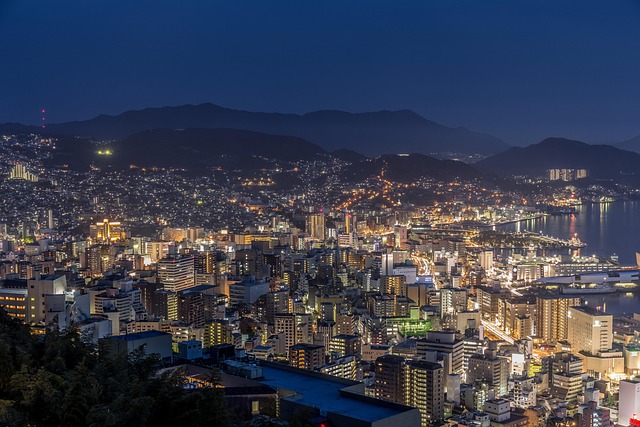
For a four-week trip, I recommend the “Hub and Spoke” model. Choose three or four major bases (e.g., Tokyo, Kanazawa, Osaka, Fukuoka) for 5–7 days each. Use the local express trains to do day trips. This reduces the mental load of constant check-ins and allows you to build a relationship with a local neighborhood.
In the hospitality industry, we see that the most satisfied travelers are those who stop trying to “see everything” and instead focus on “feeling somewhere.” In the transition months of September and October, Japan is at its most atmospheric—if you have the patience to let it unfold.