AKIO NARIMATSU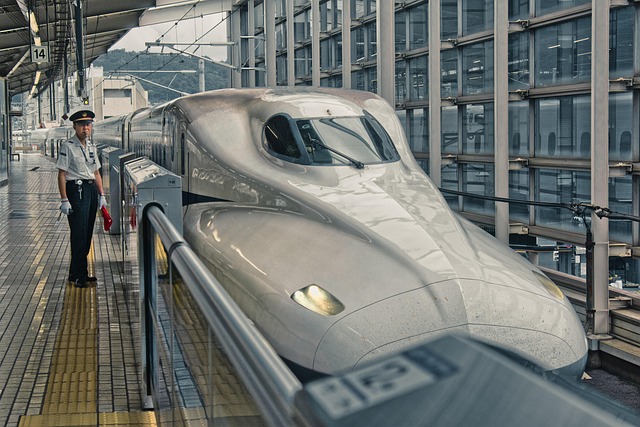
Mastering the Seven-Day Sprint: A Strategic Guide to Tokyo and Kyoto
- Forward your luggage: Use a “Takkyubin” delivery service to send your heavy suitcases between Tokyo and Kyoto hotels. It costs roughly $15–$20 and saves you the physical agony of navigating Shinkansen stations with bulky bags.
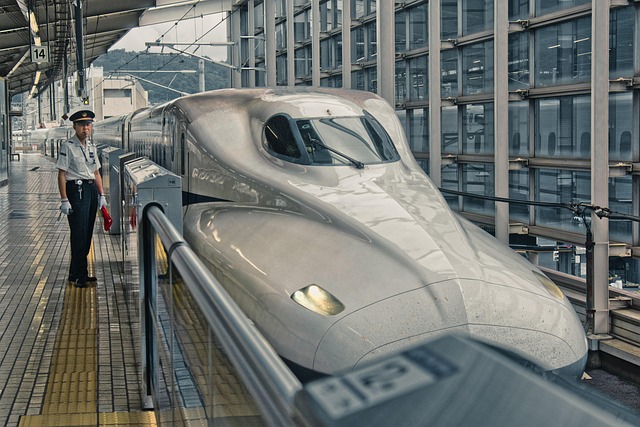
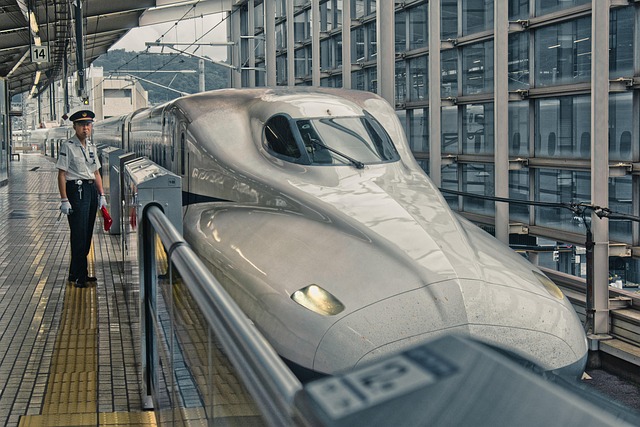
- The “Mount Fuji Side” Rule: When booking your Shinkansen ticket from Tokyo to Kyoto, request a seat on the right side (Seat E) for the best views of Mount Fuji. If traveling from Kyoto to Tokyo, book the left side.
- The 6:00 AM Pivot: To experience the serenity of Fushimi Inari or Arashiyama’s Bamboo Grove without the wall-to-wall crowds, you must arrive before 7:30 AM. Use the afternoon for “low-stakes” exploration in less-traveled neighborhoods.
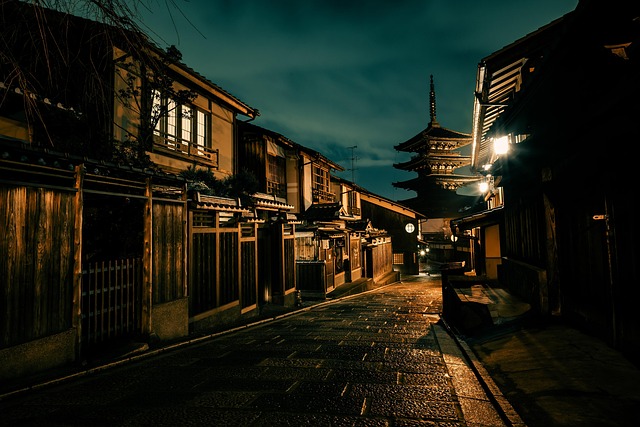
- Strategic District Grouping: Never cross the Kamo River more than once a day in Kyoto. Group your itinerary into “Eastern” (Higashiyama) and “Western” (Arashiyama) blocks to avoid wasting two hours daily in city buses.
The “Real” Problem: The Golden Route Fatigue
Standard guidebooks present the Tokyo-Kyoto duality as a seamless transition between the future and the past. What they fail to mention is the “Golden Route Fatigue”—a very real psychological and physical exhaustion that hits on day four. The sheer density of information, the 20,000-step daily averages, and the sensory overload of Shinjuku followed immediately by the rigid etiquette of Kyoto’s temples can leave travelers feeling like they are “checking boxes” rather than making memories. The frustration isn’t a lack of things to see; it’s the overwhelming pressure to see everything in a timeframe that doesn’t allow for the very zen the country is famous for.
Field-Tested Hacks for a Seamless Itinerary
To combat the exhaustion of a one-week itinerary, seasoned travelers utilize several field-tested workarounds that prioritize efficiency without sacrificing the experience. One of the most effective strategies is the “Sunset Ascent” at Fushimi Inari. While guidebooks scream “go early,” the crowds actually thin out significantly after 5:00 PM. Climbing the mountain at dusk provides a mystical, lantern-lit atmosphere that morning tourists never see, and the temperature is far more manageable.
Another essential hack involves the “Depachika Dining” strategy. If you find yourself too exhausted for a formal sit-down dinner after a long day of sightseeing, head to the basement of major department stores like Isetan or Takashimaya. These food halls offer gourmet-quality bento, sushi, and yakitori at a fraction of restaurant prices. It allows you to eat world-class cuisine in the comfort of your hotel room, giving your social battery a chance to recharge for the next day.
For transport between the two cities, consider the “Green Car Reset.” If your budget allows, upgrading to the Shinkansen Green Car (First Class) for the 2.5-hour journey provides a necessary sanctuary. It is quiet, spacious, and serves as a vital transition zone between the neon energy of Tokyo and the meditative pace of Kyoto.
The Insider’s Perspective: Quality Over Completion
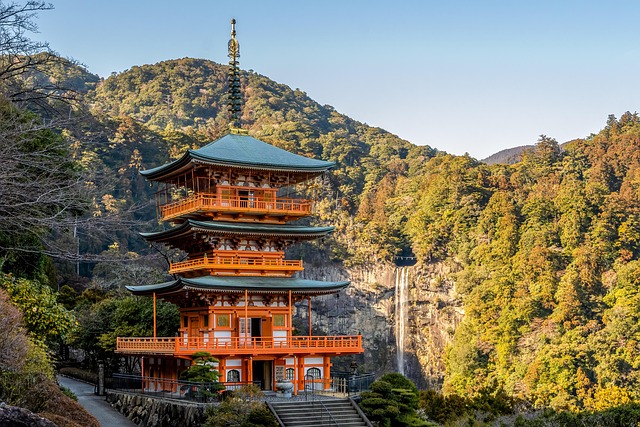
As an industry professional, my biggest critique of the one-week itinerary is the “Temple Burnout” phenomenon. By the third temple in Kyoto, they often begin to look the same to the untrained eye. My secret to a successful trip is the “One Major, Two Minor” rule: pick one major UNESCO site per day, and fill the rest of your time with “minor” experiences—a local coffee shop, a small neighborhood shrine, or a walk through a residential backstreet.
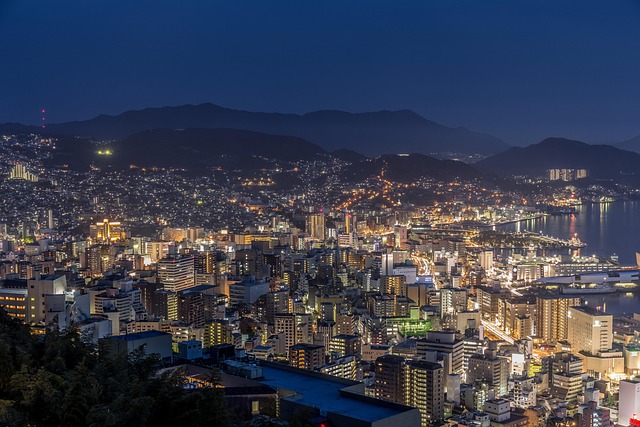
The true magic of Japan isn’t found at the top of the Tokyo Skytree or in the middle of the Golden Pavilion’s crowd; it’s found in the quiet moments in between. You cannot “finish” Tokyo or Kyoto in seven days. Accept that you will leave things unseen. By narrowing your focus, you don’t just see Japan; you actually feel it. Stop chasing the itinerary and start following the atmosphere.
KEYWORDS: kyoto temple, shinkansen fuji, tokyo skyline
Photo: Pixabay / Pixabay License