AKIO NARIMATSU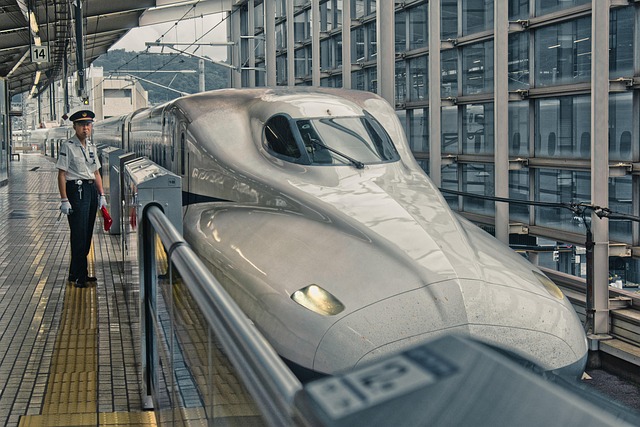
Essential Strategies for Your Next Japanese Expedition
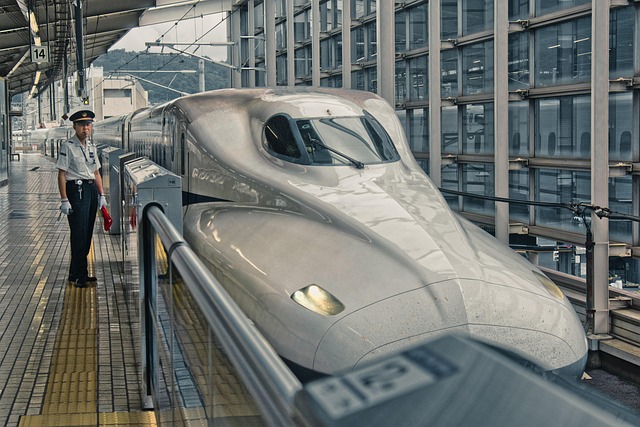
- Leverage the “Takkyubin” System: Do not drag your luggage through crowded stations or onto the Shinkansen. Use overnight luggage forwarding services between hotels for roughly $15–$20 per bag to travel hands-free.
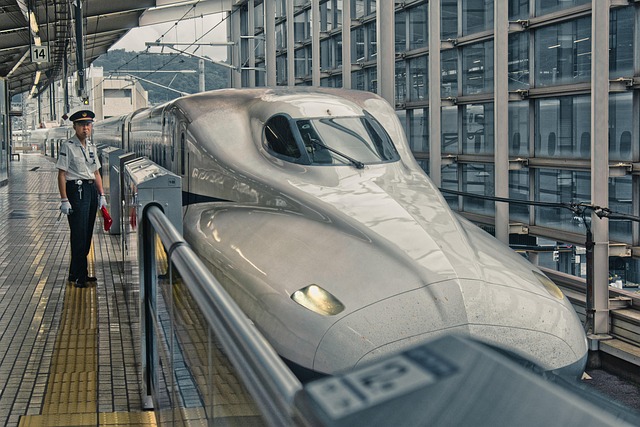
- Master the Regional Pass Math: Since the 2023 price hike, the nationwide JR Pass is rarely cost-effective. Research regional passes like the JR West Kansai-Hiroshima Area Pass, which often provide better value for specific routes.
- The 2:00 PM Rule: In the peak of summer, schedule museum visits, department store browsing, or “train travel time” between 2:00 PM and 4:00 PM to escape the most intense heat and humidity.
- Download “SmartEX” Early: Register for the official Shinkansen booking app before you leave your home country to secure seat reservations and “Hayatoku” (early bird) discounts directly on your phone.
The Invisible Barrier: The “Checklist Fatigue” Reality
Most guidebooks present Japan as a seamless series of picturesque moments—the neon of Shinjuku, the serenity of Kyoto’s temples, and the majesty of Miyajima. What they fail to mention is the physical and mental toll of the “Golden Route” logistics. The genuine frustration for many travelers isn’t a lack of things to see; it’s the sheer exhaustion of navigating complex transit hubs and the sensory overload of crowds, which can turn a dream vacation into a series of logistical chores.
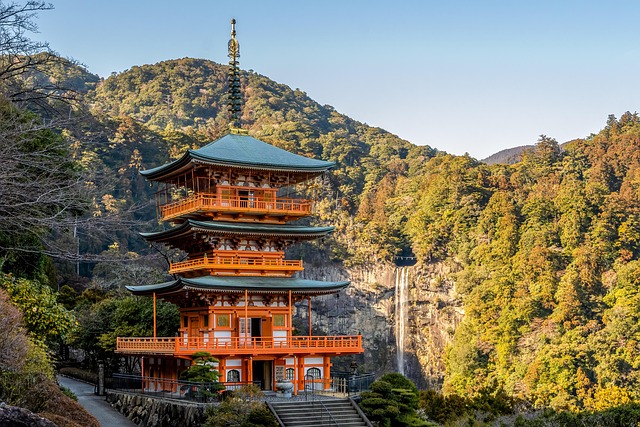
The “real” problem is the ambition of the 20-day itinerary. Travelers often treat Japan like a checklist, moving every two days. By day ten, “temple fatigue” sets in, and the architectural wonders of Kyoto begin to blur together. This is exacerbated by the Japanese summer, where the humidity acts as a physical weight, making even a short walk to a shrine feel like a marathon.
Field-Tested Solutions for the Modern Traveler
To navigate Japan like a seasoned professional, you must adopt a “Hub and Spoke” strategy. Instead of changing hotels in Osaka, Kyoto, and Nara, pick one central base—ideally near Osaka-Umeda or Kyoto Station—and use the highly efficient local lines for day trips. This eliminates the constant packing and unpacking that drains your energy.
Another insider hack involves the underground cities. Major hubs like Tokyo, Osaka, and Fukuoka have vast, air-conditioned subterranean networks connecting stations, department stores, and even major landmarks. When the surface temperature becomes unbearable, stay underground. You can walk kilometers across the city center in climate-controlled comfort, discovering incredible “depachika” (basement food halls) along the way.
For those heading south toward Hiroshima or Fukuoka, prioritize the Limited Express trains over the Shinkansen for shorter hops. While the bullet train is faster, the Limited Express often offers more scenic views and brings you closer to the heart of local neighborhoods, providing a much-needed change of pace from the high-speed tourist circuit.
The Insider’s Perspective: Quality Over Proximity
As an industry professional, my advice is to resist the urge to “see it all.” Japan is a country of layers; you will never peel them all back in one trip. The most successful itineraries I see are those that leave “white space”—unscheduled afternoons where you can stumble into a neighborhood festival, a quiet kissaten (traditional coffee shop), or a local craft workshop.
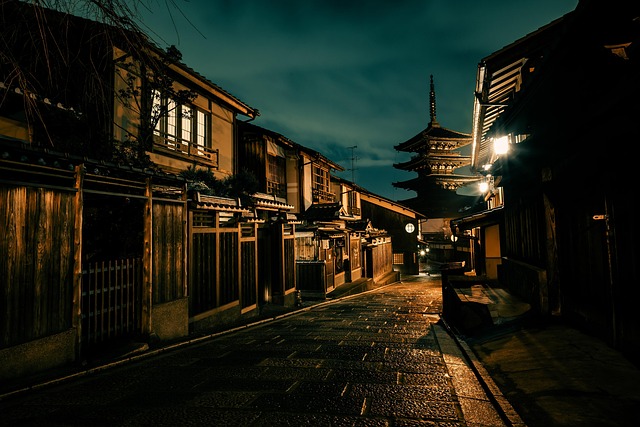
If you are traveling during the summer months, reframe your expectations. Treat the heat as a guide rather than an adversary. Start your day at sunrise to visit the outdoor icons like Fushimi Inari-taisha when they are cool and empty, and embrace the evening “yokocho” culture for your socializing. Japan is at its most magical at dusk when the lanterns flicker to life and the air finally begins to move. In the world of elite travel, the goal isn’t to see the most attractions; it’s to have the most meaningful encounters with the culture.
KEYWORDS: japan summer travel, kyoto temple, shinkansen train
Photo: Pixabay / Pixabay License