AKIO NARIMATSU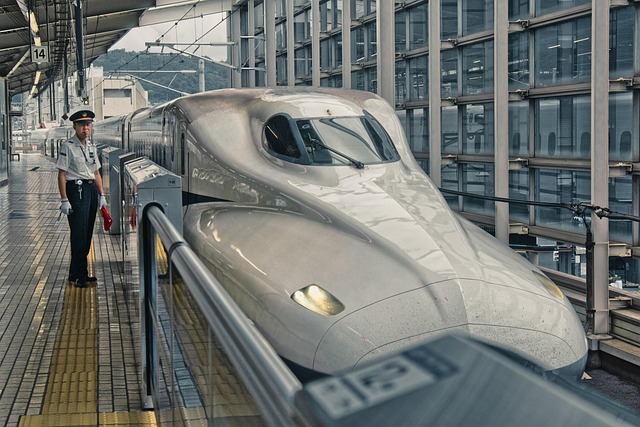
Mastering the Midsummer Maze: A Strategic Guide to Japan in July
- Leverage “Takkyubin” Luggage Forwarding: Never drag heavy suitcases through sweltering train stations. Use overnight delivery services to send your bags from hotel to hotel for roughly $15–$20 per piece, allowing you to commute with just a small daypack.
- Adopt the “Underground Navigation” Strategy: In major hubs like Tokyo, Osaka, and Nagoya, utilize the massive networks of air-conditioned underground malls (Chikagai) to traverse kilometers of the city without ever stepping into the direct sun.
- Secure Your IC Card Early: While physical Suica or Pasmo cards have faced shortages, ensure you have a digital version loaded into your smartphone’s wallet before arrival to avoid long queues at ticket machines in the summer heat.
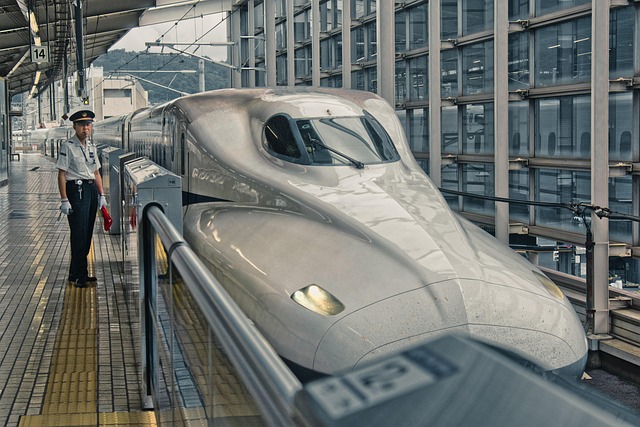
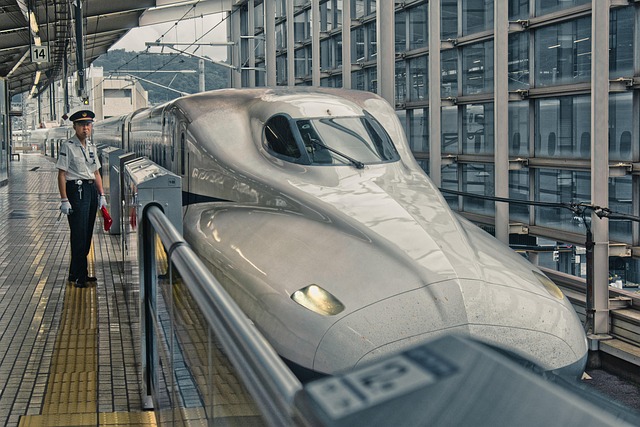
- Prioritize “Green Car” Rail Upgrades: For long-distance Shinkansen travel in July, the “Green Car” (first class) offers significantly more powerful climate control and space, which is essential when the humidity outside reaches peak levels.
The Invisible Wall: What Guidebooks Ignore About the Japanese Summer
Traditional travel guides are excellent at highlighting the vibrant colors of the Gion Matsuri or the spectacle of fireworks over the Sumida River. However, they consistently fail to mention the “invisible wall” of a Japanese July. It is not merely the heat; it is a profound, wet-bulb humidity that transforms a standard ten-minute walk into an exhaustive physical ordeal. Most first-time travelers plan their itineraries based on distance, assuming they can walk between shrines and districts as they would in London or New York. In reality, the humidity acts as a physical barrier that can reduce a planned twelve-hour sightseeing day to a mere four hours of effective exploration before exhaustion sets in.
Field-Tested Strategies for High-Heat Logistics
To navigate a July expedition successfully, veteran travelers employ a “split-day” tactical approach. This involves front-loading the day with outdoor cultural sites—such as Fushimi Inari or the Imperial Palace—starting as early as 6:00 AM. By 11:00 AM, the strategy shifts to “indoor immersion.” This is the time for world-class museums, high-rise observation decks, or the legendary Depachika (department store basement food halls), where the air conditioning is aggressive and the culinary exploration is endless.
Another overlooked hack involves the strategic use of local convenience stores, or konbini. Beyond just snacks, these are hydration stations where you should look for “frozen” bottled water or ion-replenishment drinks like Pocari Sweat. Furthermore, experienced visitors invest in “Cooling Sheets” (body wipes with menthol) and portable neck fans—items that might look like gimmicks but are essential survival gear for the Tokyo urban heat island effect.
The Insider Perspective: The 2027 Travel Landscape
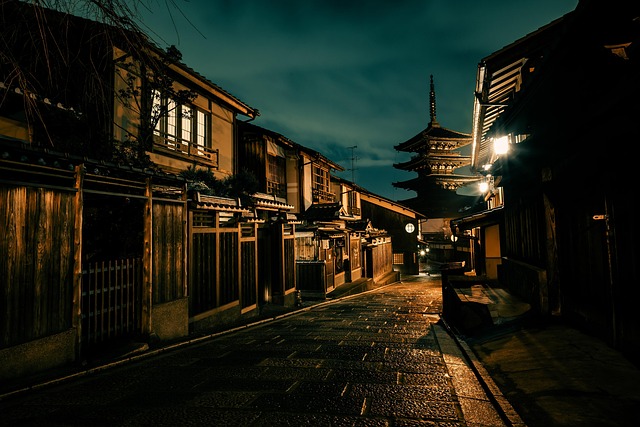
Looking toward the 2027 season, we are seeing a significant shift in how “realistic” travel is defined. The era of the “Golden Route” (Tokyo-Kyoto-Osaka) is being redefined by a need for climate-conscious routing. For a first-time trip in July, I advise clients to consider a “Higher Altitude” or “Northern Latitude” pivot. While Kyoto is culturally peerless, its geography makes it a heat trap in mid-summer.
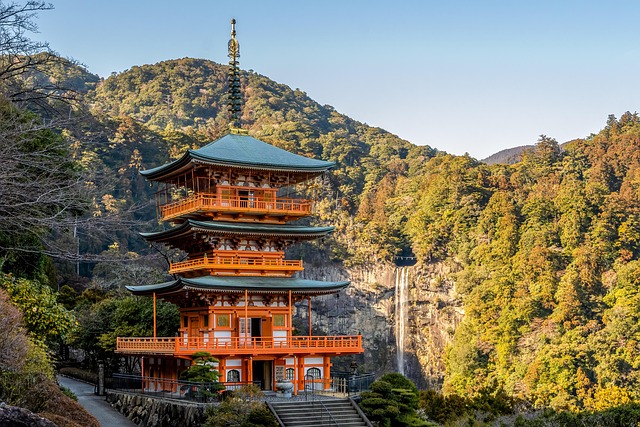
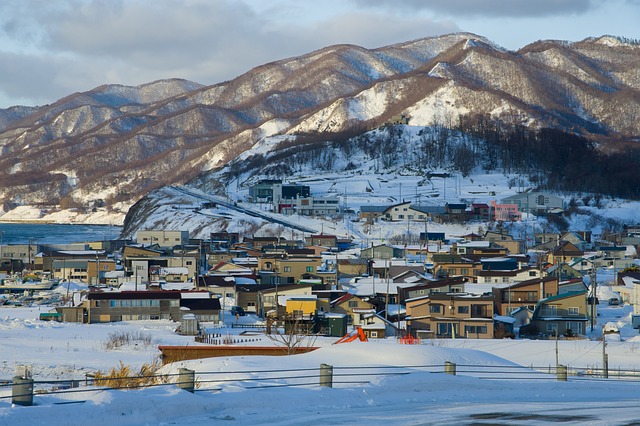
Professional Insight: If your heart is set on July, consider balancing your itinerary with the Japanese Alps (Takayama, Kamikochi) or the northern wilds of Hokkaido. If you must stay in the central corridors, treat your hotel as a sanctuary, not just a bed. In 2027, the difference between a “good” trip and a “great” trip will be the willingness to pay for convenience—whether that is a well-timed taxi to avoid a 15-minute walk or booking premium dining experiences that provide a necessary respite from the mid-day sun. Respect the climate, and Japan will reveal its summer magic; fight the climate, and the climate will win.
KEYWORDS: japan summer heat, kyoto street, shinkansen train station
Photo: Pixabay / Pixabay License