AKIO NARIMATSU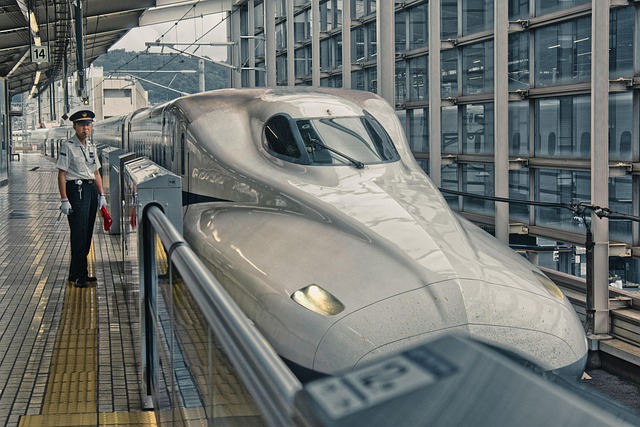
Essential Tactics for a Seamless 21-Day Japan Journey
- Leverage the “Hands-Free” Revolution: Never drag your suitcases through a train station. Use Takkyubin (luggage forwarding) to send your bags between hotels. It is affordable, reliable, and allows you to explore intermediate stops like Hakone or Nara without the burden of heavy gear.
- Digitize Your Transit: Skip the ticket machines. Add a digital Suica or Pasmo card to your smartphone’s wallet before you arrive. This allows for seamless “tap-and-go” entry at almost every station and works at vending machines and convenience stores nationwide.
- The “Base City” Strategy: Instead of moving hotels every two nights, choose a central hub like Osaka or Nagoya and take day trips. This eliminates the “check-in/check-out” fatigue and allows you to truly learn the layout of a single neighborhood.
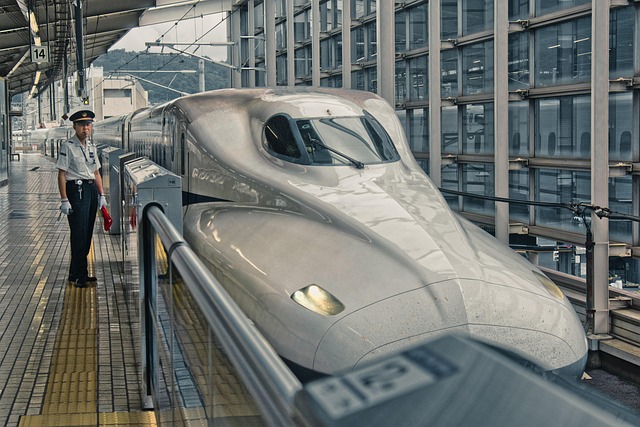
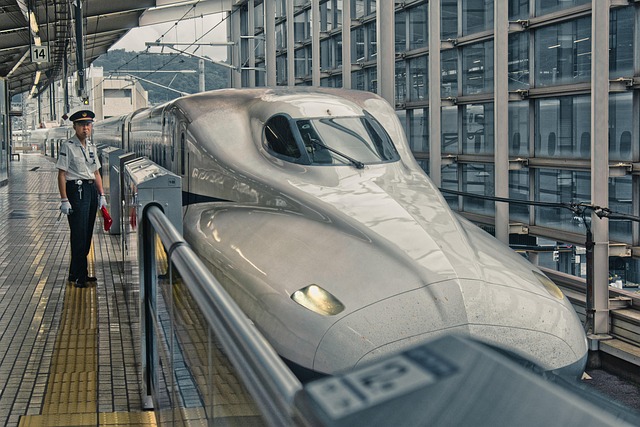
- Book Shinkansen “Oversized Luggage” Seats: If you are traveling with large suitcases, you must book specific seats at the back of the carriage. Use the SmartEX app to reserve these in advance, or you risk being fined or forced to move.
The Invisible Friction: What Guidebooks Forget to Mention
Most travelers planning a three-week itinerary fall into the “Golden Route Trap.” They see a map of Japan and assume that because the Shinkansen is fast, movement is effortless. The genuine frustration that hits most visitors by day ten isn’t the language barrier—it is logistics fatigue. Guidebooks often present Japan as a series of highlights, but they fail to account for the “invisible friction” of navigating the world’s most complex transit hubs. Spending two hours navigating Shinjuku Station or standing in line for a bus in Kyoto can quickly turn a dream vacation into an exhausting checklist.
The real problem is “Temple Burnout.” After the fifth Zen garden or the tenth Shinto shrine, the architectural nuances begin to blur. Travelers often over-schedule their cultural visits, forgetting that Japan’s true magic lies in the quiet moments between the landmarks. Without a strategy to manage physical energy and visual over-stimulation, the final week of a 21-day trip often becomes a blur of exhaustion rather than a crescendo of discovery.
Field-Tested Workarounds for the Modern Traveler
To avoid the common pitfalls of long-duration travel in Japan, seasoned experts rely on a set of field-tested hacks that prioritize flow over sightseeing. One of the most effective solutions is the “Half-Day Rule.” Schedule one major attraction for the morning, then leave the afternoon entirely unplanned. This creates the “Ma” (negative space) necessary to stumble upon a local festival, a hidden kissaten (coffee shop), or a quiet neighborhood park.
Another insider secret involves the dining landscape. Instead of battling for reservations at “top-rated” tourist spots, head to the Depachika—the basement food halls of major department stores like Isetan or Takashimaya. These are culinary wonderlands where you can source Michelin-quality meals for a fraction of the price, perfect for a high-end picnic in a local garden or a quiet dinner in your hotel after a long day of walking. Furthermore, when visiting Kyoto, ditch the overcrowded buses and rent a bicycle or use the private Keihan and Hankyu rail lines, which are often less congested than the main JR routes.
The Insider Perspective: Embracing the “Secondary Cities”
As an industry professional, my most frequent advice to those with 21 days is to delete three stops from your itinerary. The temptation to see Tokyo, Kyoto, Osaka, Hiroshima, Kanazawa, and Takayama in one go is a recipe for surface-level travel. To truly understand Japan, you must go where the “Golden Route” tourists don’t. Spend three nights in a city like Onomichi to experience the Shimanami Kaido cycling route, or explore the rugged beauty of Tohoku.
The secret to a successful long-term Japan trip is recognizing that Japan is not a museum to be observed, but a rhythm to be joined. By slowing down, using “hub” cities, and prioritizing local experiences over “must-see” lists, you transition from being a spectator to a participant. The best memory of your trip won’t be the Golden Pavilion; it will be the 2:00 AM ramen shop in a side-alley where you finally felt at home in the neon-lit labyrinth.
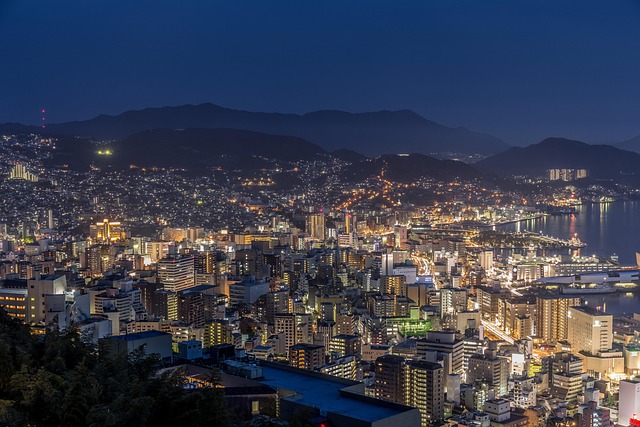
KEYWORDS: Kyoto temple garden, Shinkansen bullet train, Tokyo street night
Photo: Pixabay / Pixabay License