AKIO NARIMATSU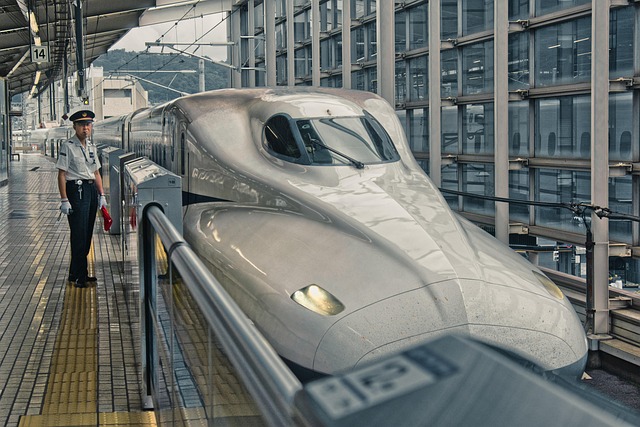
Pro-Tips for a Seamless Japan Experience
- Master the “Takkyubin” Logistics: Never drag your heavy suitcases through Shinjuku Station. Use luggage forwarding services (Yamato Transport) to send bags between hotels for about $15–$20. It saves your back and hours of transit frustration.
- Digital IC Cards are Mandatory: Don’t fumble with paper tickets. Add a Suica or Pasmo card to your Apple or Google Wallet before you land. You can tap through gates and pay at vending machines instantly with your phone.
- The 7:00 AM Rule for Kyoto: To experience the serenity of Fushimi Inari or the Arashiyama Bamboo Grove without the crushing crowds, you must arrive by 7:00 AM. By 9:30 AM, these sites transition from spiritual landmarks to congested photo-ops.
- Reserve Your “Big Three” Early: Ghibli Museum, TeamLab Borderless, and high-end Kyoto kaiseki dinners book up weeks—sometimes months—in advance. Set calendar alerts for ticket release dates to avoid paying 300% markups to third-party resellers.
The Invisible Wall: Why Traditional Guidebooks Fail Your Itinerary
Most travelers plan their first trip to Japan using a “checklist” mentality. They map out Tokyo, Kyoto, and Osaka as a series of pins on a map, assuming that geographical proximity equals ease of travel. However, the genuine frustration that guidebooks never mention is “Transition Fatigue.”
The sheer cognitive load of navigating the world’s most complex rail systems, coupled with the sensory overload of Japanese urban environments, leads to a mid-trip burnout around day six. Guidebooks tell you what to see, but they rarely tell you how to survive the pace. Travelers often find themselves standing in the middle of Dotonbori, exhausted and overstimulated, wondering why they aren’t enjoying the “must-see” neon lights. The problem isn’t the destination; it’s the lack of “white space” in the itinerary.
Field-Tested Strategies for a Smoother Journey
The “Neighborhood Hub” Strategy
Instead of trying to see all of Tokyo in four days, pick two “anchor” neighborhoods. Spend your mornings in high-energy areas like Shibuya, but retreat to quieter residential pockets like Yanaka or Sangenjaya for lunch. This prevents the “urban vertigo” that many first-timers experience when they spend ten hours straight in major commercial hubs.
Dining Beyond the “Top 10” Lists
One of the best-kept secrets for high-quality, stress-free dining is the Depachika (department store basement food halls) and the upper floors of major department stores like Isetan or Daimaru. While the internet will tell you to wait three hours for a specific ramen shop in Shinjuku, these department stores host outposts of legendary restaurants with much shorter queues and impeccable service, often with English menus and better views.
The Nara Half-Day Pivot
While most visitors treat Nara as a full-day excursion from Osaka or Kyoto, seasoned travelers know that the real magic is in the Todai-ji Nigatsu-do balcony at sunset. Most tour buses leave by 4:00 PM. By staying just two hours later than the crowds, you get the temple complex to yourself and a panoramic view of the city as the lanterns begin to glow.
An Insider’s Perspective: The Myth of the “Perfect” Itinerary
In my years of consulting for inbound tourism, the most successful trips I’ve seen are those that prioritize depth over breadth. Japan is a country of layers. If your itinerary is packed with back-to-back transit, you are only seeing the surface—the polished, tourist-facing veneer.
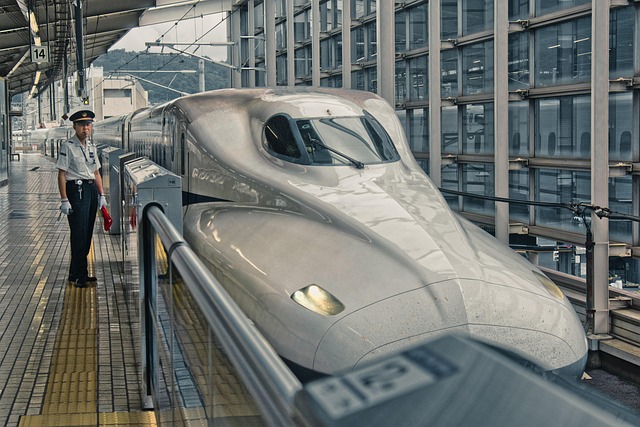
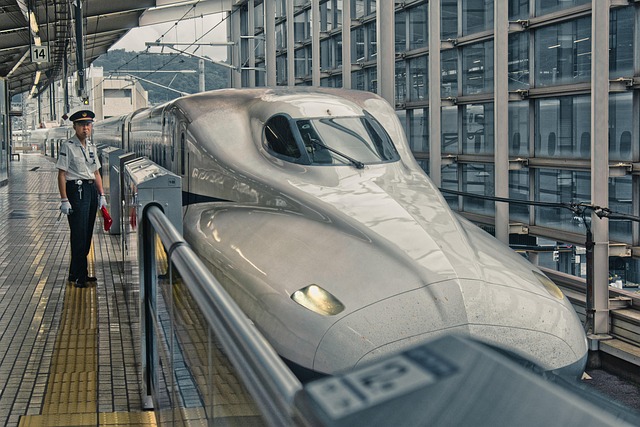
My advice? Delete one major “must-see” temple or museum from your list. Use that recovered four-hour block to sit in a local kissaten (traditional coffee shop), wander a side street with no destination, or simply watch the shinkansen glide into the station. The “real” Japan isn’t found at the end of a long queue; it’s found in the quiet, unscripted moments between the landmarks. You aren’t visiting a museum; you are visiting a living, breathing culture. Give yourself the permission to breathe with it.
KEYWORDS: kyoto bamboo forest, shinkansen train, tokyo street night
Photo: Pixabay / Pixabay License