AKIO NARIMATSU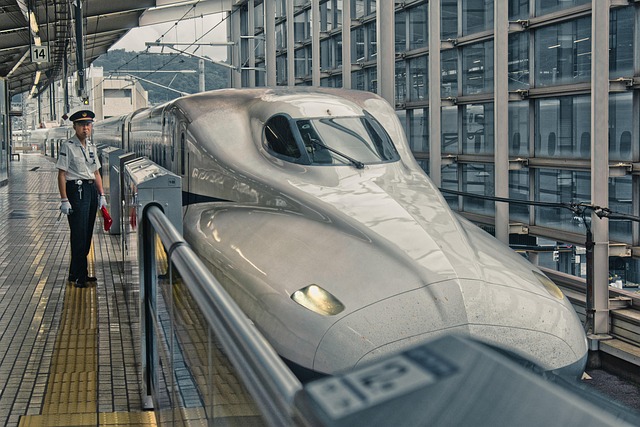
Essential Strategies for a Seamless Japanese Journey
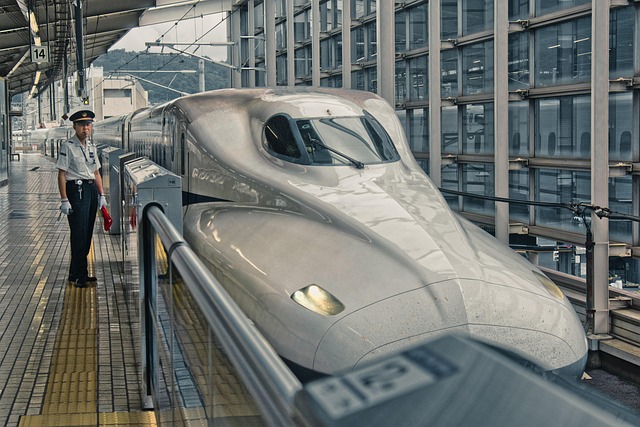
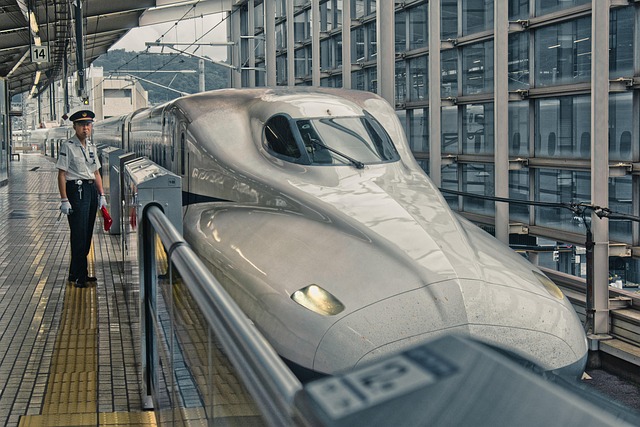
- The Hub-and-Spoke Method: Instead of changing hotels every two nights, choose a central base like Kyoto and use the Shinkansen for day trips to Nara or Osaka. You’ll save hours of packing and check-in time.
- Leverage Hands-Free Travel: Use Takkyubin (luggage forwarding services) to send your heavy suitcases from Tokyo to Kyoto. Navigating Japan’s multi-level train stations is significantly more enjoyable without baggage.
- The “Rule of Three”: Limit your “must-see” attractions to three per day. Japan’s true magic is found in the spontaneous discovery of a side-street shrine or a hidden bakery, which is impossible if you are racing against a clock.
- Buffer Your Transit: Always add 30 minutes to any transit estimate provided by navigation apps. Navigating the labyrinthine depths of Shinjuku or Osaka Station requires a learning curve that digital maps often underestimate.
The Invisible Burden: Checklist Fatigue
There is a quiet exhaustion that sets in around day five of a traditional Japan itinerary. Guidebooks often present the “Golden Route”—Tokyo, Hakone, Kyoto, Osaka, and Hiroshima—as a seamless conveyor belt of cultural highlights. However, they rarely mention Checklist Fatigue. This is the genuine frustration of standing in front of a world-class UNESCO site and feeling nothing but the urge to find the nearest park bench because your schedule has become a series of logistical hurdles rather than a vacation.
The “real” problem isn’t the distance between cities; it’s the mental load of constant transitions. When your itinerary is too crammed, you aren’t experiencing Japan; you are simply auditing its transport infrastructure. The pressure to see “everything” often results in seeing nothing deeply.
Field-Tested Solutions for the Modern Traveler
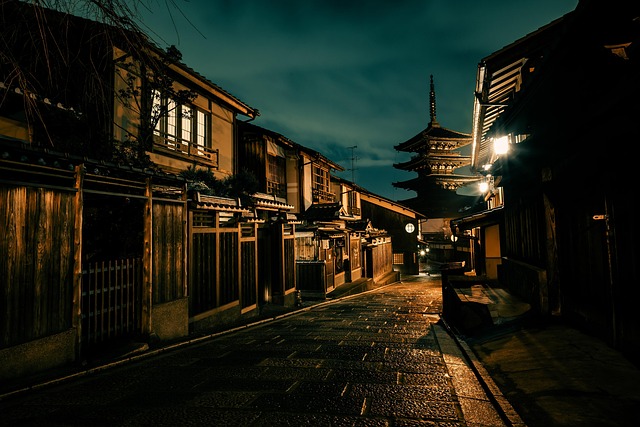
To avoid the common trap of the overstuffed schedule, seasoned travelers utilize several field-tested workarounds. First, prioritize regional density over geographic breadth. If you have fewer than 12 days, consider saving Western Japan (Hiroshima and Miyajima) for a future trip. The six-hour round-trip journey from Kyoto to Hiroshima is spectacular, but it often comes at the cost of missing the quiet, evening atmosphere of Gion or the hidden moss gardens of Northern Kyoto.
Another insider hack is the “Sunset Pivot.” Most tourists crowd into temples during peak morning hours. Instead, visit high-traffic areas like Fushimi Inari or Senso-ji at dawn or after dusk. Not only are the crowds thinner, but the lighting offers a superior aesthetic experience. By shifting your schedule, you open up the middle of the day for slow lunches and aimless wandering—the very moments that usually become your favorite memories.
An Industry Insider’s Perspective: The Value of “Ma”
In Japanese aesthetics, there is a concept called Ma—the beauty in the empty space. When designing an itinerary, most travelers try to fill every “empty” hour with an activity. As someone who has spent years watching visitors navigate this country, I can tell you that the most successful trips are those that embrace Ma.
Japan is a country of incredible efficiency, but its culture is built on a foundation of presence and detail. You cannot appreciate the craftsmanship of a hand-poured tea or the intricate joinery of a temple if you are checking your watch for the next train departure. My professional advice is simple: Delete 20% of your planned itinerary. That 20% isn’t lost time; it is the space where Japan will finally have the chance to surprise you. A “rushed” trip is merely a sequence of photographs; a “slow” trip is a sequence of experiences.
KEYWORDS: kyoto temple, shinkansen train, japan travel planning
Photo: Pixabay / Pixabay License