AKIO NARIMATSU
Elevating the Japan Experience: Beyond the Golden Route
- Master the ‘Hub and Spoke’ Strategy: Instead of changing hotels every night, choose a central regional city like Kanazawa or Okayama and use a regional rail pass to explore surrounding areas. This reduces packing fatigue and allows for deeper local immersion.
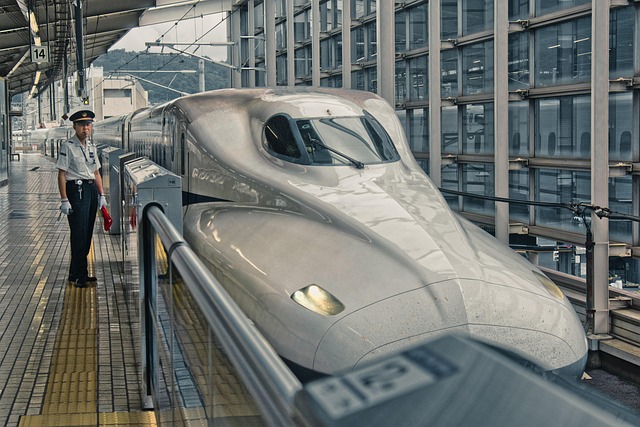
- Leverage Hands-Free Travel: Use Takkyubin (luggage forwarding) to ship your suitcases between major stops. This is essential for navigating smaller regional trains where overhead space is limited and elevator access can be sparse.
- Prioritize Hyper-Local Seasonal Calendars: Check specific municipal festival (matsuri) calendars three months in advance. The most authentic Japanese experiences often happen in small towns that are only mentioned in Japanese-language brochures.
- Diversify Your Lodging: Balance high-end Western hotels with shukubo (temple lodgings) or traditional ryokan in rural prefectures to experience the full spectrum of Japanese hospitality.
The Efficiency Trap: The Problem Guidebooks Won’t Tell You
The most significant frustration for the seasoned traveler in Japan is what I call the “Efficiency Trap.” Most guidebooks and standard itineraries treat Japan as a checklist of monuments, encouraging a frantic pace that prioritizes transit over presence. The genuine frustration arises when travelers realize that by following a “Best of Tokyo and Kyoto” guide, they have spent more time in transit and crowds than actually connecting with the culture. Guidebooks rarely mention the “temple fatigue” that sets in by day four, nor do they account for the mental load of navigating the world’s most complex transit system with a rigid schedule. The result is a vacation that feels more like a logistics exercise than a restorative journey.
Field-Tested Solutions for the Sophisticated Traveler
To move beyond the surface level, experienced travelers are now pivoting toward geographic depth rather than breadth. Instead of trying to see the whole country in ten days, focus on a single region like Kyushu or Tohoku. This allows for the discovery of “hidden geographies”—areas that aren’t necessarily secret, but are overlooked by the masses.
One of the most effective workarounds for the crowded “Golden Route” is the off-peak site visit. For iconic locations, arriving at dawn is common advice, but the true insider hack is visiting exactly sixty minutes before closing. The light is superior for photography, and the tour groups have almost always departed for their dinner reservations. Furthermore, savvy travelers are increasingly utilizing local taxi tours in rural areas. While seemingly expensive, hiring a local driver for four hours in a place like the Iya Valley or the Kunisaki Peninsula provides access to remote shrines and artisanal workshops that are physically impossible to reach via public transport.
The Insider Perspective: The New Era of Japanese Tourism
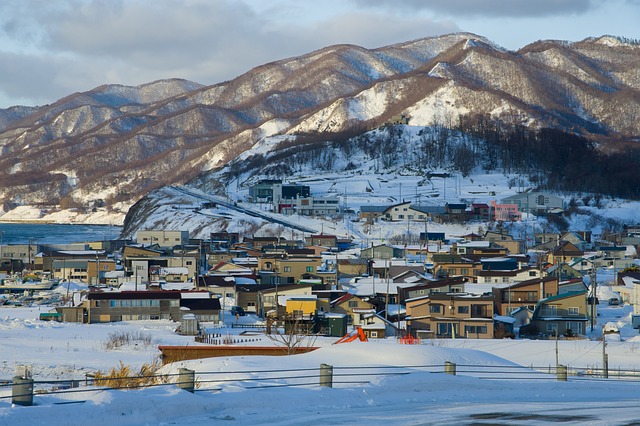
From my vantage point within the industry, the narrative of Japan travel is shifting. We are seeing a move away from the “neon and sushi” clichés toward Regional Revitalization. The most rewarding experiences currently are found in the Inaka (countryside), where luxury is defined by space, silence, and the preservation of ancient crafts.
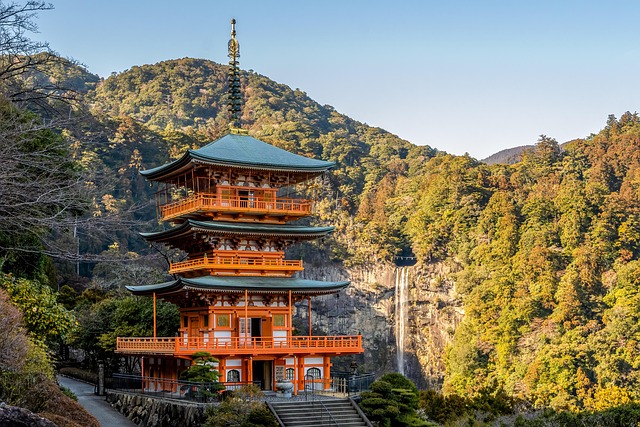
The true mark of an “experienced” itinerary is not how many cities it hits, but how much “white space” it leaves. In the industry, we call this “The Luxury of the Unplanned.” It is the intentional gap in a schedule that allows you to accept a spontaneous invitation to a tea ceremony or spend an extra hour watching the mist roll over a cedar forest in Wakayama. For your next trip, challenge yourself to delete one major city from your list and replace it with three extra days in a single village. That is where you will find the Japan that guidebooks can’t describe.
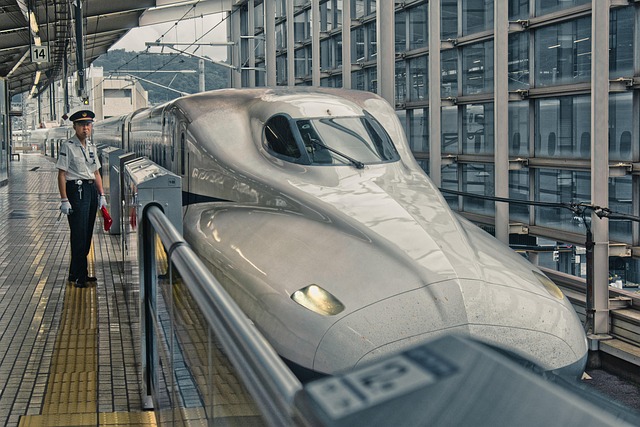
KEYWORDS: Japan rural landscape, traditional ryokan, shinkansen train
Photo: Pixabay / Pixabay License