AKIO NARIMATSU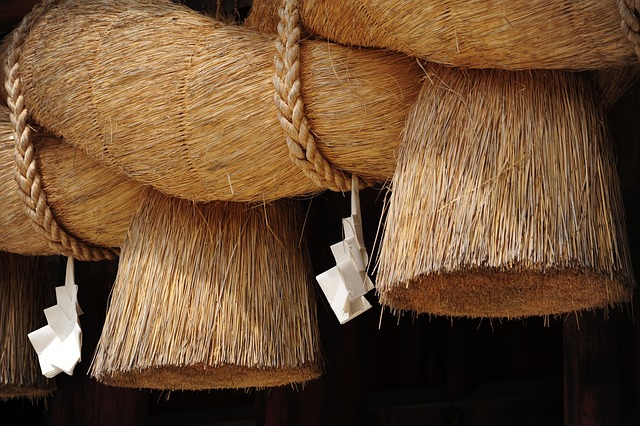
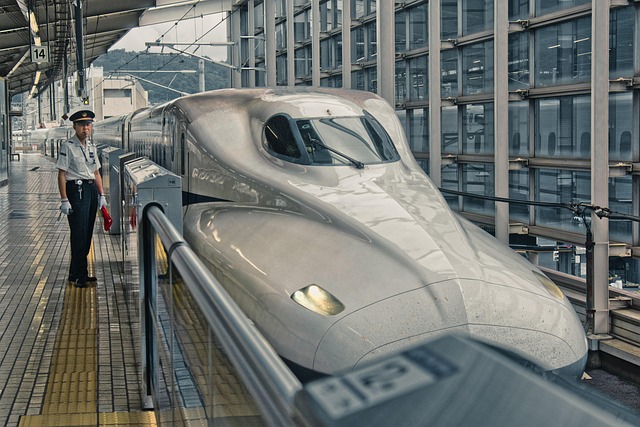
- Master the Regional Pivot: With the recent price increases for the nationwide JR Pass, the most cost-effective strategy is now combining low-cost domestic flights (using “Explorer” fares) with hyper-local regional passes, such as the JR West San’in-Okayama Area Pass.
- Strategic Hubbing: Instead of changing hotels every night, use Okayama as a central base for Western Japan. Its Shinkansen connectivity allows you to reach Hiroshima, Kurashiki, and even Shikoku as day trips while keeping your luggage in one place.
- The Airport Shortcut: Don’t default to trains for every leg. Flying into small regional hubs like Izumo Airport can save six to eight hours of transit time when moving from northern regions like Hokkaido to the western coast of Honshu.
- Time-Block Your Temples: For major sites like Izumo Taisha or Hiroshima’s Peace Memorial, arrive at least 30 minutes before official opening times. The “golden hour” for photography and peace in Japan ends promptly at 10:00 AM when the tour buses arrive.
The Invisible Exhaustion of the “Golden Route”
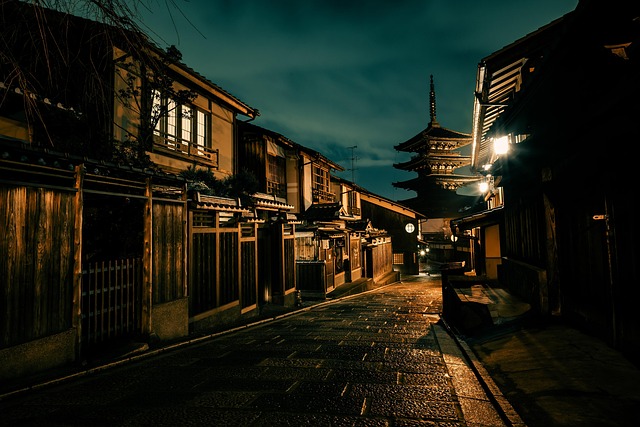
The most significant frustration facing modern travelers to Japan is something guidebooks rarely acknowledge: the “museum effect” of the traditional Tokyo-Kyoto-Osaka circuit. While these cities are undeniably spectacular, they have become victim to their own popularity. The real problem isn’t just the crowds; it’s the loss of spontaneity. In the major hubs, every dinner requires a reservation, every photo requires a queue, and every street feels curated for tourism rather than daily life. Travelers often return home feeling they’ve seen the “sights” of Japan without ever actually feeling the soul of the country.
Field-Tested Workarounds for the Deep Explorer
The San’in Coast Strategy
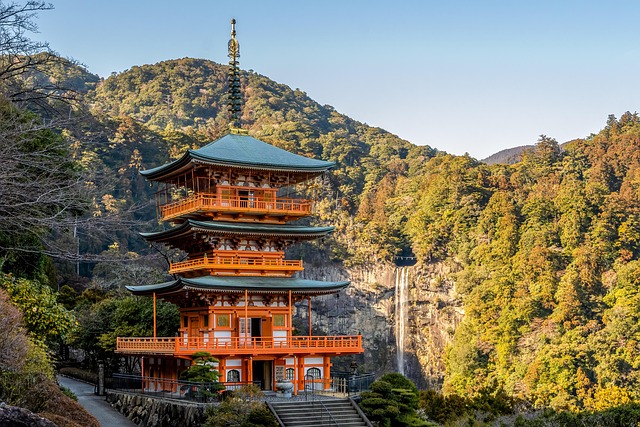
To escape the congestion of the Pacific coast, elite travelers are turning to the San’in region. Places like Matsue and Izumo offer a profound look at Japan’s mythological roots without the theme-park atmosphere of Kyoto. The “hack” here is logistics: skip the long rail journey from the east and fly directly from Sapporo or Tokyo into Izumo. This allows you to witness the architectural majesty of Izumo Taisha—Japan’s oldest shrine—in a setting that still feels sacred and secluded.
Bridging the Gap: Hokkaido to Tohoku
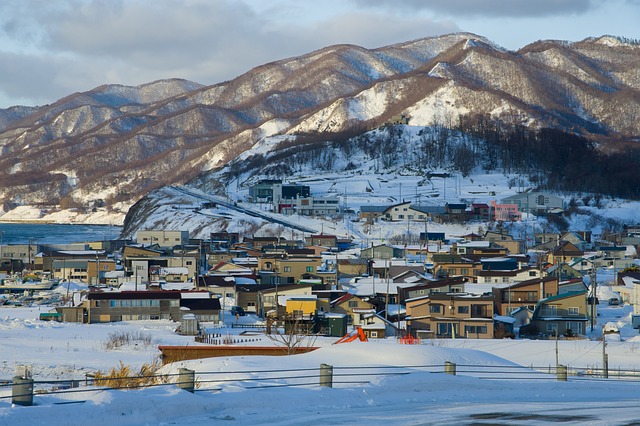
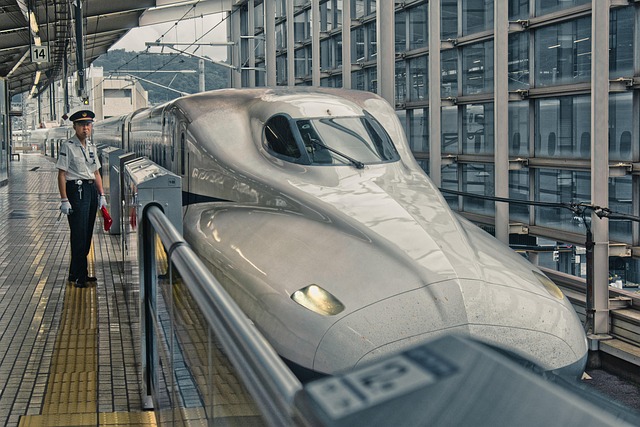
Moving from the wild frontiers of Hokkaido to the cultural heart of Honshu is a logistical hurdle that many get wrong. Rather than a rushed flight to a major hub, take the Shinkansen through the Seikan Tunnel to Aomori. This creates a logical geographic flow that allows for a “slow travel” immersion. Aomori acts as a vital transition point, offering a rugged, salt-of-the-earth atmosphere that prepares you for the refined history of the southern regions.
The Okayama Connection
While most travelers flock to Osaka, the seasoned professional stays in Okayama. It is the unsung hero of Japanese infrastructure. From here, the “Venice of Japan”—Kurashiki—is a mere 15-minute local train ride away. You gain the ability to see the iconic white-walled storehouses and willow-lined canals in the quiet evening hours after the day-trippers have retreated to the larger cities.
The Insider’s Perspective: The Value of the “Empty” Spaces
As an industry insider, I’ve observed that the most successful itineraries are no longer defined by how much ground they cover, but by the “frictionless” nature of the transitions. We are moving into an era of “Secondary City Tourism.” The infrastructure in cities like Hakodate, Matsue, and Aomori is world-class, yet they remain underutilized by international visitors. The secret to a professional-grade Japan trip is to stop treating the country as a list of landmarks and start treating it as a series of regional ecosystems. By prioritizing the San’in coast or the northern tip of Honshu, you aren’t just avoiding crowds; you are accessing a version of Japan where the hospitality (Omotenashi) is still motivated by genuine curiosity rather than routine.
KEYWORDS: japan rural landscape, izumo taisha, matsue castle
Photo: Pixabay / Pixabay License