AKIO NARIMATSU
Essential Strategies for Your First Japan Journey
- Master the Hands-Free Arrival: Do not attempt to haul four suitcases through the Tokyo subway. Utilize “Takkyubin” (luggage forwarding services) at the airport to send your primary bags directly to your hotel for a nominal fee, allowing you to commute with just a small daypack.
- The “Hub and Spoke” Strategy: Instead of switching hotels every two nights, anchor your family in Osaka for the Kansai portion of your trip. From one base, you can reach Kyoto, Nara, and Kobe in under 45 minutes, saving hours of packing and unpacking.
- Digital IC Integration: Skip the ticket machines. Add a Suica or Pasmo card directly to your smartphone’s digital wallet before you land. It works for trains, buses, and even vending machines with a simple tap.
- Strategic Dining: To avoid the “hangry” family meltdown, utilize “Depachika” (department store basement food halls) for high-end, ready-to-eat meals that satisfy diverse palates without the need for reservations.
The “Golden Route” Trap: What Your Guidebook Isn’t Telling You
The most significant frustration for first-time families isn’t the language barrier—it is the sheer physical and psychological tax of the “Golden Route” (Tokyo-Kyoto-Osaka). Guidebooks present these cities as a seamless sequence of zen moments, but the reality for a family of four is often a series of high-stakes logistical maneuvers through the world’s most crowded transit hubs.
The genuine problem is “itinerary bloat.” Travelers often feel pressured to see the “Big Three” shrines in Kyoto in a single afternoon. In practice, this results in “temple fatigue,” where the spiritual majesty of Japan is buried under the stress of navigating bus schedules and dodging selfie sticks. The frustration that goes unmentioned is the invisible labor of moving a group: every transition between cities takes twice as long as you think it will, and the mental load of being the “navigator” can quickly turn a dream vacation into a logistical marathon.
Field-Tested Workarounds for a Seamless Experience
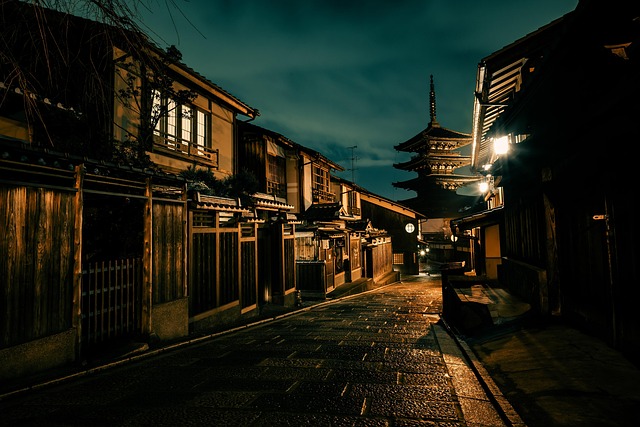
Experienced travelers know that the secret to a successful Japan trip lies in the “counter-intuitive” schedule. To see Kyoto’s Fushimi Inari or the Arashiyama Bamboo Grove without the crushing crowds, you must arrive by 7:00 AM. By 10:00 AM, when the tour buses arrive, your family should already be heading back for an early lunch or a mid-day rest.
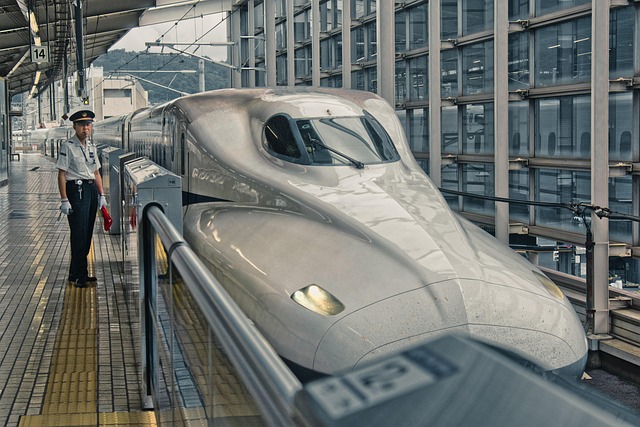
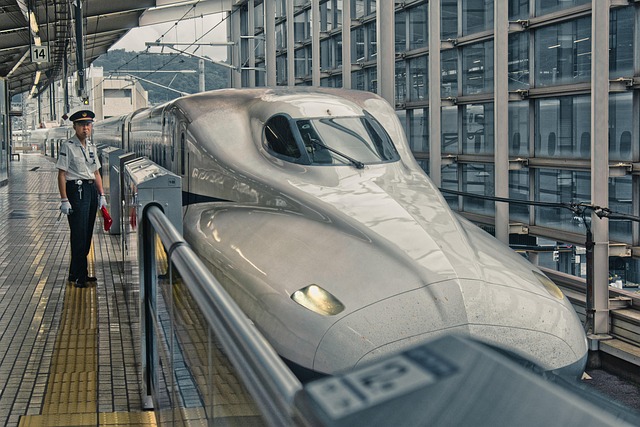
Regarding the Shinkansen, the “pro move” for families is booking seats on the right-hand side (Seats D and E) when traveling from Tokyo toward Kyoto. This provides the iconic view of Mount Fuji directly from your window. Furthermore, rather than dining at expensive tourist-trap restaurants near major landmarks, look for “Family Restaurants” like Gusto or Royal Host. While the name sounds generic, these establishments offer high-quality, affordable Japanese and Western fusion meals in a spacious environment that is far more welcoming to groups than a cramped, eight-seat ramen shop.
Another insider hack: utilize the “Green Cars” on local JR lines for longer regional trips. For a few extra dollars, you get reserved seating and luggage space, which is a life-saver when the standard cars are standing-room only during peak hours.
The Industry Insider’s Perspective: Quality Over Connectivity
As someone who has watched Japan’s tourism landscape evolve over decades, my advice is to prioritize “rhythm” over “reach.” The temptation to see five cities in ten days is the most common mistake I see. Japan is a country of layers; you gain more value by spending four days in one neighborhood, becoming a “regular” at a local coffee stand, than by rushing through ten world-heritage sites.
True luxury in Japan isn’t found in a five-star hotel chain; it’s found in the “Ma-ai”—the space between moments. It’s the quiet walk through a residential Tokyo neighborhood at dusk or the discovery of a small stationery shop in a side alley. For families, the goal should be to build in “buffer days” where nothing is planned. Japan’s infrastructure is so efficient that the greatest joy is often found when you stop following the map and start following your curiosity. Design your trip not as a checklist, but as a series of slow immersions.
KEYWORDS: Kyoto Fushimi Inari, Shinkansen train, family Japan travel
Photo: Pixabay / Pixabay License