AKIO NARIMATSU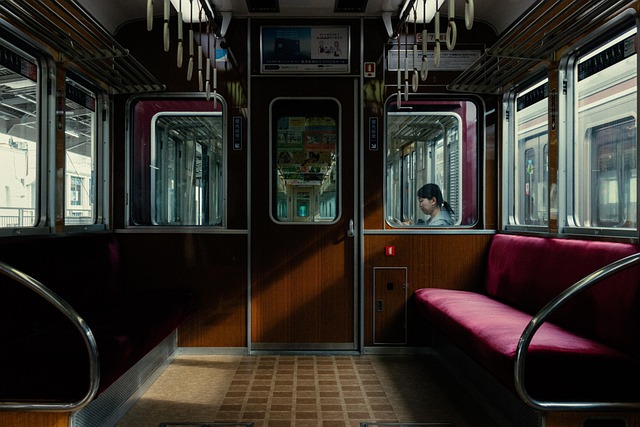
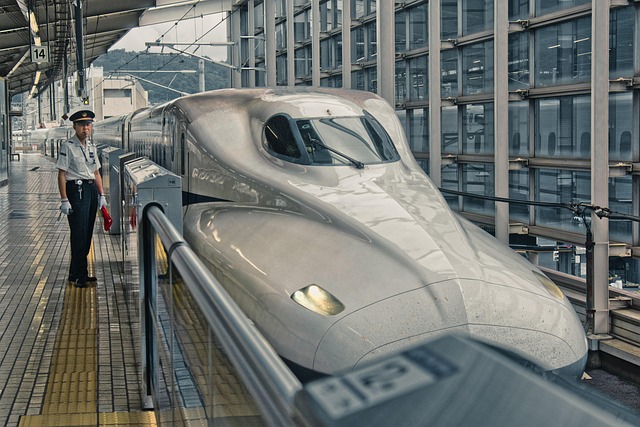
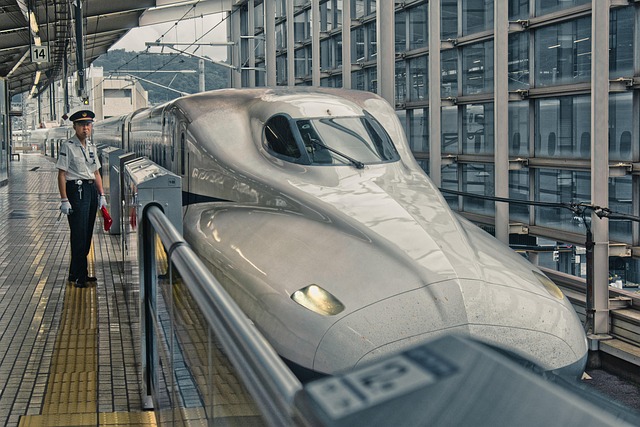
- Leverage Hands-Free Travel: Use the “Takkyubin” luggage forwarding service to send your heavy suitcases between Tokyo and Kyoto. This allows you to travel light on the Shinkansen and explore intermediate stops like Hakone or Shizuoka without the burden of baggage.
- Digitize Your Transit: Add a Suica or Pasmo card to your smartphone’s digital wallet before you land. It eliminates the frustration of navigating ticket machines and works seamlessly for both trains and convenience store purchases.
- The “Early Bird” Strategy for Kyoto: To experience the spiritual stillness of Fushimi Inari or the Arashiyama Bamboo Grove, arrive by 6:30 AM. By 10:00 AM, these sites become congested, fundamentally altering the experience from serene to chaotic.
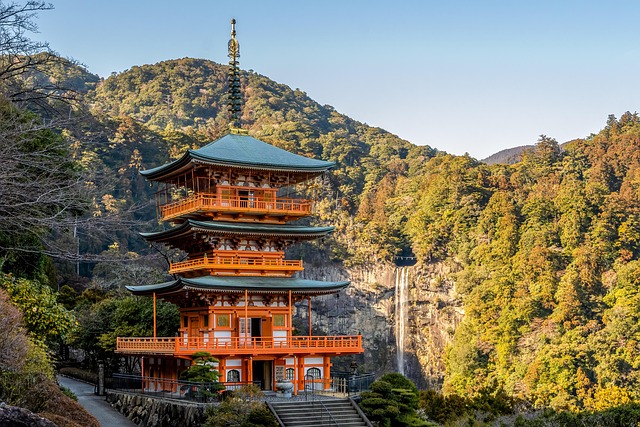
- Reserve Peak-Season Dining: If traveling during the autumn foliage peak in November, popular restaurants in Gion or Shinjuku fill up weeks in advance. Use concierge services or local booking platforms to secure your evening meals before you leave home.
The Invisible Exhaustion of the “Golden Route”
Most guidebooks present the classic Tokyo-Kyoto-Osaka itinerary as a series of highlights to be checked off a list. However, they rarely mention the “optimization trap.” First-time travelers often underestimate the sheer physical toll of navigating Japan’s massive transit hubs and the sensory overload of its neon-lit districts. The real problem isn’t a lack of things to do; it’s the cumulative fatigue that sets in by day four. When you spend your entire trip rushing to make the next “must-see” temple or museum, the nuanced beauty of Japanese culture—the precise hospitality, the quiet side-streets, and the seasonal transitions—is lost in a blur of transit transfers.
Field-Tested Strategies for a Balanced Itinerary
Mastering the “One Big Thing” Rule
Experienced travelers know that the key to a successful Japanese itinerary is the “One Big Thing” rule. Schedule one major site or activity for the morning, and leave the afternoon flexible. This allows you to pivot based on weather or energy levels. For instance, if you spend a morning at Tokyo’s Senso-ji, allow the afternoon for an unplanned wander through the backstreets of Asakusa or a quiet coffee in a traditional kissaten. This flexibility often leads to the most memorable encounters that no guidebook can predict.
The Art of the Evening Stroll
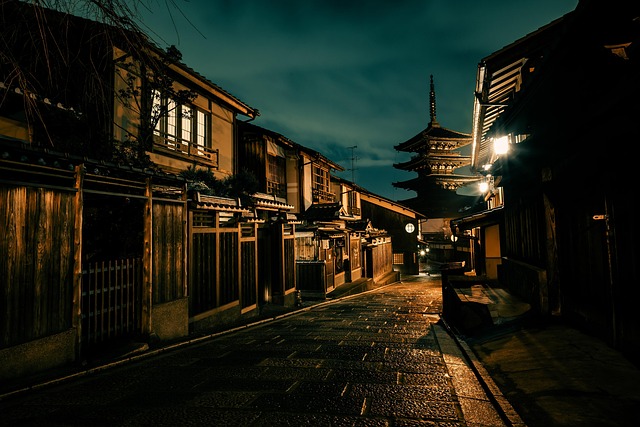
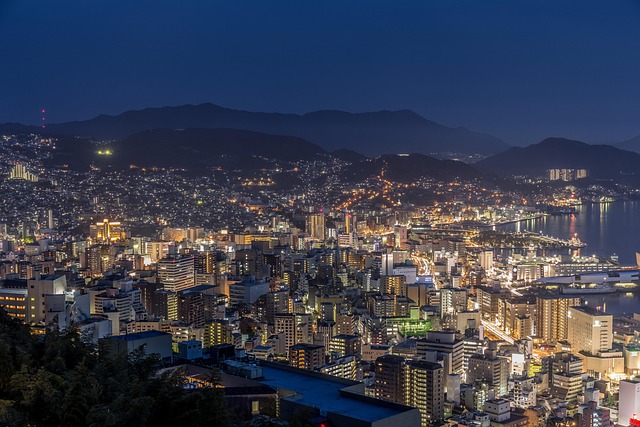
While the daytime belongs to the famous landmarks, the evenings are where Japan’s cities truly come alive. In Kyoto, skip the crowded daytime buses and opt for a twilight walk through the Pontocho Alley or the Gion district. The atmosphere changes dramatically as lanterns are lit and the day-trippers depart. In Tokyo, the view from the Metropolitan Government Building in Shinjuku provides a breathtaking, free perspective of the skyline that rivals expensive observation decks, offering a moment of reflection amidst the urban sprawl.
Navigating the Regional Contrast
A common mistake is treating Kyoto and Osaka as interchangeable. Kyoto is a city of layers, requiring patience and slow movement to appreciate its wooden machiya houses and hidden gardens. Osaka, conversely, is a city of energy and “kuidaore” (eating until you drop). To maximize your time, use Osaka as a vibrant evening base for its street food culture in Dotonbori, while dedicating your daylight hours to the refined, quiet elegance of Nara’s parklands or Kyoto’s temple complexes.
An Insider’s Perspective: The Beauty of the In-Between
As someone who has navigated the intricacies of Japanese tourism for years, my ultimate advice is to value the “Ma”—the Japanese concept of negative space or the gap between things. The most profound moments of a Japan trip rarely happen in front of a famous gate or statue. They happen during the quiet train ride through the countryside, the meticulous way a chef prepares your ramen, or the unexpected peace of a neighborhood shrine you stumbled upon while lost. Don’t just visit Japan to see the sights; visit to experience the rhythm of a culture that finds perfection in the smallest details. If you return home with fewer photos but more stories of local interactions, you have truly succeeded.
KEYWORDS: kyoto autumn foliage, tokyo street photography, japan train travel
Photo: Pixabay / Pixabay License