AKIO NARIMATSU
Mastering the Kansai Corridor: A 10-Day Blueprint for Osaka and Kyoto
- Digitize your transit: Add a Suica or Pasmo card to your smartphone’s digital wallet before you land. It eliminates the frustration of ticket machines and works seamlessly for both trains and convenience store purchases.
- Adopt the “Single Base” Strategy: Stay in Osaka (near Umeda or Namba) for the full 10 days. The rail connectivity to Kyoto, Nara, and Kobe is so efficient that moving hotels is an unnecessary drain on your limited vacation time.
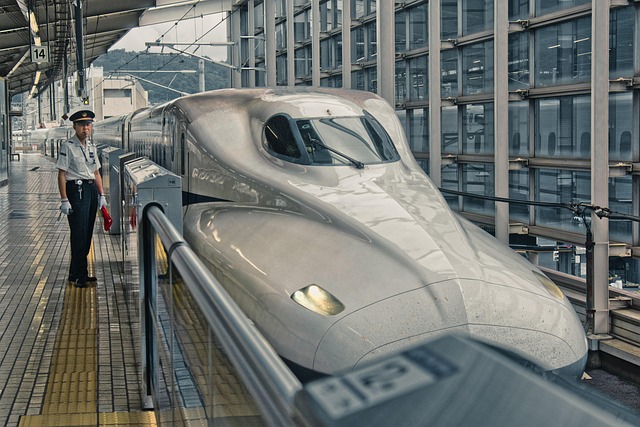
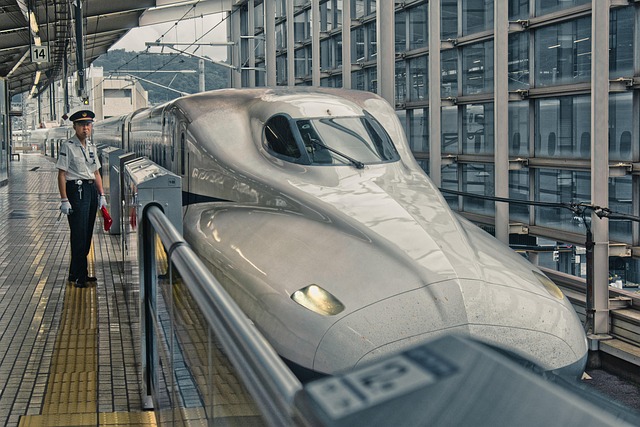
- Leverage Luggage Forwarding: Use the Takkyubin service to send your heavy suitcases from the airport directly to your hotel. Traveling on the Haruka Express or Shinkansen without bulk luggage is the ultimate “pro” move.
- The 60-Day Rule: Set calendar alerts for 60 days prior to your arrival for high-demand reservations like Universal Studios Japan or specific themed cafes; these are no longer “walk-in” experiences.
The “Real” Problem: The Temple Fatigue Trap
Guidebooks and glossy travel magazines often present Kyoto as a serene, spiritual retreat where you can effortlessly glide from one golden pavilion to the next. The reality on the ground is a phenomenon I call “Itinerary Bloat.” First-time travelers often fall into the trap of trying to check off every UNESCO site in a single afternoon. By day three, the “temple fatigue” sets in—a genuine psychological exhaustion where every beautiful shrine begins to look identical, and the crowds of Higashiyama become a source of resentment rather than wonder. Guidebooks tell you what to see, but they rarely tell you how much is too much, leading many to leave Japan feeling like they survived a marathon rather than enjoyed a holiday.
Field-Tested Solutions and Insider Hacks
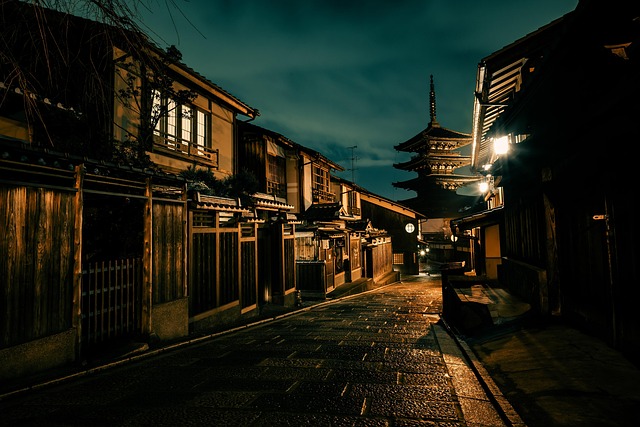
To avoid the burnout while still seeing the highlights, seasoned travelers use a “Hub and Spoke” methodology. Instead of spending your days fighting for space on Kyoto’s city buses, prioritize the Hankyu or Keihan private lines from Osaka. These trains are often less crowded than the JR lines and drop you closer to the atmospheric Gion and Pontocho districts.
One of the most effective workarounds for the crowds in Kyoto is the “Reverse Sunset” strategy. While everyone rushes to Fushimi Inari at dawn, try visiting at 8:00 PM. The trails are illuminated, the foxes look hauntingly beautiful in the shadows, and the thousands of tourists have long since returned to their hotels. Similarly, if you find the Dotonbori food queues in Osaka overwhelming, head three blocks south to Sennichimae Doguyasuji. You will find the same high-quality takoyaki and okonomiyaki served to locals without the forty-minute wait, surrounded by the fascinating “Kitchenware Street” where professional chefs buy their supplies.
The Insider Perspective: Embracing the “In-Between” Moments
As someone who has navigated the evolution of Japanese tourism for years, my primary advice is to stop viewing transit as a hurdle and start viewing it as the destination. The true magic of a 10-day Kansai trip isn’t found in the perfect photo of the Kinkaku-ji reflection; it is found in the quiet efficiency of a local rapid-express train, the seasonal limited-edition snack at a 7-Eleven, and the unexpected kindness of a shopkeeper in a neighborhood arcade.
The most successful itineraries I see are those that leave at least 30% of the day unscripted. Japan is a country of “serendipitous discovery.” If you are constantly staring at a Google Maps pin, you will miss the hidden moss garden tucked behind a nondescript door or the world-class jazz bar hidden on the fourth floor of a narrow building. Treat Osaka as your high-energy kitchen and Kyoto as your spiritual library, but remember to leave room to simply breathe the air of the Kansai region. Expertise isn’t about seeing everything; it’s about having the time to actually see what’s right in front of you.