AKIO NARIMATSU
Mastering the East Asian Circuit: Essential Tips for Your Japan and South Korea Cruise
- Secure a Digital IC Card Before Arrival: Add a Suica or Pasmo card to your smartphone wallet before you even leave home. While physical cards are often in short supply, a digital version allows you to tap-and-go on local buses and trains in every Japanese port, sparing you the struggle of fumbling for exact change at the fare box.
- Prioritize Private Transport in Busan: The cruise terminal in Busan is large and can be chaotic. Pre-booking a private driver or using local taxi apps like Kakao T will save you hours of waiting in line for shuttle buses, allowing you to reach Gamcheon Culture Village before the midday heat and crowds.
- Strategic Laundry Management: On cruises spanning ten days or more, the ship’s laundry rooms become the most contested real estate on board. Plan to do your laundry during a “sea day” morning or late at night to avoid the mid-voyage bottleneck that catches most travelers off guard.
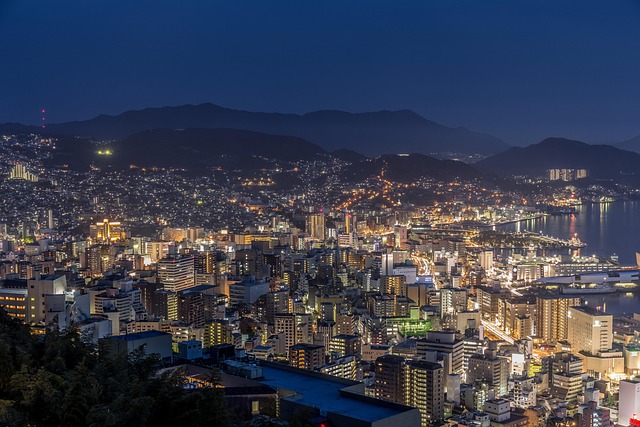
- Download Offline Maps for Port Cities: Port areas often have “dead zones” for international roaming. Having offline maps for Nagasaki, Kagoshima, and Incheon ensures you can navigate back to the pier even if your signal drops in a narrow alleyway.
The “Port-Side Paralysis”: What Guidebooks Never Tell You
The biggest frustration facing travelers on a Japan and South Korea cruise isn’t the language barrier or the currency—it is “port-side paralysis.” Guidebooks provide beautiful descriptions of the Golden Pavilion or the Busan Fish Market, but they fail to mention the logistical nightmare of 3,000 passengers disembarking simultaneously into a secondary port city. When a mega-ship docks, the local infrastructure is often pushed to its limit. Taxis vanish, local buses become standing-room-only, and the most popular shrines become congested within minutes.
Travelers often find themselves spending half their precious shore time simply trying to figure out how to get away from the cruise terminal. This “bubble effect” often traps tourists in the most commercialized areas immediately surrounding the pier, leading to a watered-down experience that feels more like a theme park than a cultural immersion.
Field-Tested Workarounds and Insider Hacks
To break out of the tourist bubble, seasoned travelers utilize a few specific workarounds that bypass the standard shore excursion bottlenecks. In Kagoshima, rather than joining the mass exodus toward the Sakurajima ferry, take a short taxi ride to Sengan-en garden. By arriving thirty minutes before the ship-organized buses, you can experience the “borrowed scenery” of the volcano in near-silence.
In Nagasaki, ignore the crowded shuttles to the Peace Park. The city’s tram system is one of the most efficient in Japan and is remarkably easy to use. A single-day tram pass costs less than a latte and allows you to hop between the Glover Garden and the historic Dejima district at your own pace, far ahead of the organized tour groups.
For the South Korean leg, specifically in Busan, the secret is the “Reverse Route.” Most excursions head to the Haedong Yonggungsa Temple first. By heading to the Jagalchi Fish Market for an early lunch instead, you enjoy the freshest seafood of the day and arrive at the temples just as the morning crowds are departing for their scheduled lunch stops.
Your Industry Insider Perspective
From an industry standpoint, the Japan-Korea cruise itinerary is one of the most logistically dense routes in the world. The key to truly enjoying it lies in curated independence. You are on a floating hotel, but you should not be a passenger to your own itinerary. Many travelers don’t realize that Japanese port authorities are incredibly efficient; if you have your “Visit Japan Web” QR codes ready and your digital IC card loaded, you can be off the ship and on a local train within 20 minutes of the gangway opening.
The real luxury of these cruises isn’t the buffet; it’s the ability to wake up in a new world every morning without packing a suitcase. To make the most of it, treat the ship as a base of operations rather than a tour guide. The most memorable experiences—a quiet bowl of ramen in a Nagasaki backstreet or a sunset walk along the Busan coastline—happen when you step away from the “recommended” path and trust the local infrastructure.
KEYWORDS: cruise ship port, japan travel, busan south korea
Photo: Pixabay / Pixabay License