AKIO NARIMATSU
Essential Strategies for a Seamless Japanese Summer
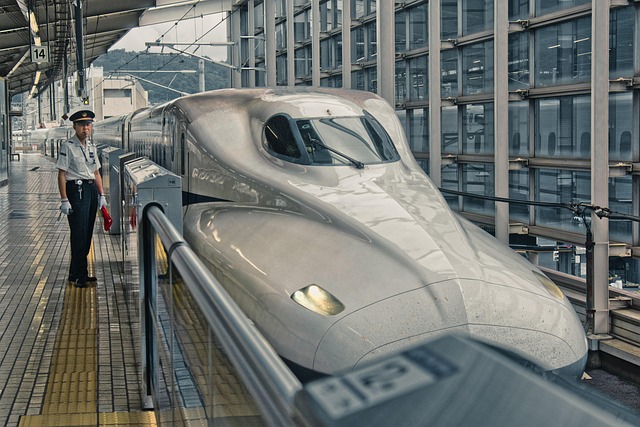
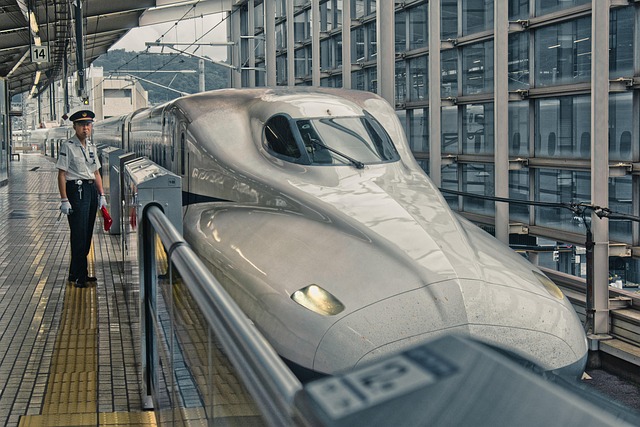
- Leverage the Takkyubin: Never navigate the labyrinth of Tokyo or Kyoto stations with heavy luggage. Utilize Japan’s overnight luggage forwarding services to send suitcases between hotels for a nominal fee, allowing you to travel “hands-free” on the Shinkansen.
- Secure Art Reservations Early: Major cultural landmarks and immersive installations, such as TeamLab Borderless or the Ghibli Museum, sell out weeks in advance. Coordinate your booking dates precisely with the release window of their respective websites.
- Master the “Golden Window”: To mitigate the intensity of the mid-summer sun, plan all outdoor sightseeing between 7:00 AM and 10:30 AM. Use the midday hours for air-conditioned museum visits or transit between cities.
- Utilize Specialized Dietary Cards: For travelers with specific allergies or preferences, a professionally translated “instruction card” is more effective than a translation app. This ensures the kitchen staff understands the gravity of the dietary requirement in a culinary culture that prioritizes set recipes.
The Invisible Barrier: What Guidebooks Forget to Mention
Standard travel guides often present a 19-day “Golden Route” itinerary as a checklist of historical landmarks and scenic vistas. However, they frequently fail to account for the physical and psychological toll of the Japanese August. This is not merely “warm weather”; it is a pervasive, high-humidity environment that can turn a well-planned afternoon at the Fushimi Inari Shrine into an endurance test. Travelers in their 40s and beyond often find that the “hustle” culture of traditional tourism—moving cities every two days—leads to significant burnout by day ten. The real frustration isn’t finding a site to see; it’s finding the energy to enjoy it when the heat index mimics a steam room.
Field-Tested Solutions for the Discerning Traveler
Through extensive field testing, seasoned travelers have found that the most successful long-term itineraries incorporate “strategic pauses.” One of the most effective hacks is the Hakone Pivot. Positioned perfectly between the neon intensity of Tokyo and the traditional density of Kyoto, Hakone serves as a high-altitude sanctuary. Staying in a luxury Ryokan here provides a necessary “digital and physical detox,” allowing travelers to reset their internal clock before tackling the cultural weight of the Kansai region.
Furthermore, savvy visitors are moving away from the “one city, one hotel” model. Instead of splitting time between Kyoto and Osaka, which are only 15 to 30 minutes apart by train, pick a single luxury “hub” hotel in Kyoto. This eliminates the “packing-and-unpacking” fatigue and allows for spontaneous evening trips to Osaka for dinner without the logistical burden of moving luggage. When dining, look to the Depachika (department store basement food halls). They offer Michelin-quality bento boxes and gourmet selections that are perfect for those nights when the humidity makes a formal sit-down dinner feel too taxing.
The Insider’s Perspective: Quality Over Quantitative Coverage
As an industry professional, I often see travelers fall into the trap of “itinerary bloating.” They feel the need to justify the long-haul flight by seeing every temple in the guidebook. My professional recommendation for a 19-night stay is to prioritize the “Slow Burn” approach. The most memorable experiences in Japan don’t happen while rushing to catch a train; they happen in the quiet moments—an early morning walk through a moss garden in Arashiyama before the crowds arrive, or a private tea ceremony in a secluded machiya.
In the luxury sector, we are seeing a shift toward “wellness-centric” logistics. This means prioritizing transit efficiency (Green Cars on the Shinkansen are a non-negotiable for comfort) and choosing accommodations that offer a “sense of place” rather than just a room. For a couple in their 40s, the goal should be a curated experience that balances high-energy urban exploration with deep cultural immersion, all while respecting the physical demands of the Japanese climate. Remember: in Japan, less is often significantly more.
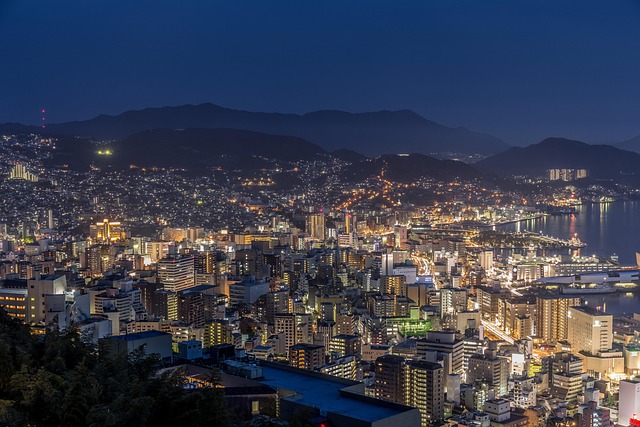
KEYWORDS: Japan summer travel, luxury ryokan, Tokyo city view
Photo: Pixabay / Pixabay License