AKIO NARIMATSU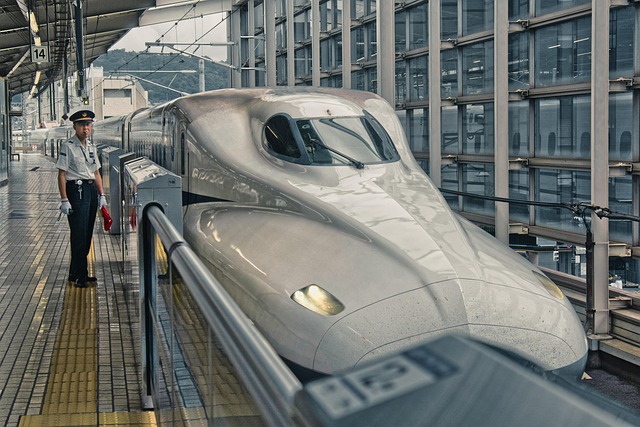
Mastering the Golden Route: A Modern Guide to Navigating Japan’s Iconic Path
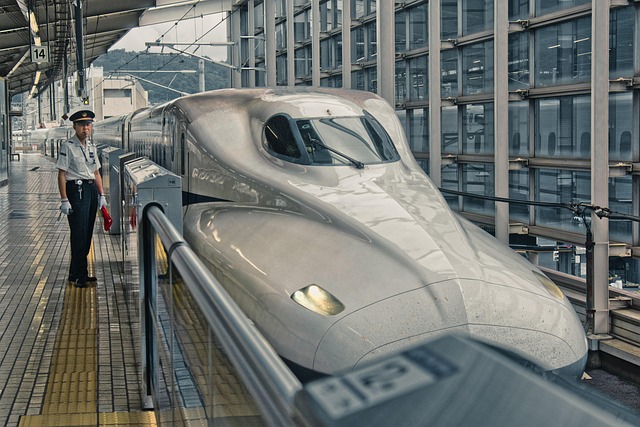
- Embrace the “Hands-Free” Revolution: Use Takkyubin (luggage forwarding) to send your heavy suitcases between hotels. Navigating Shinkansen stations with oversized luggage is the single biggest drain on your energy and itinerary fluidity.
- Digitalize Your Transit: Add a digital Suica or Pasmo card to your smartphone wallet before you land. Physical cards are increasingly difficult to procure, and the ability to tap-and-go for everything from vending machines to local buses is essential.
- The 7:00 AM Rule: To experience the serenity of Fushimi Inari or the Arashiyama Bamboo Grove, you must arrive by 7:00 AM. By 9:30 AM, these locations transition from spiritual landmarks to high-density transit hubs.
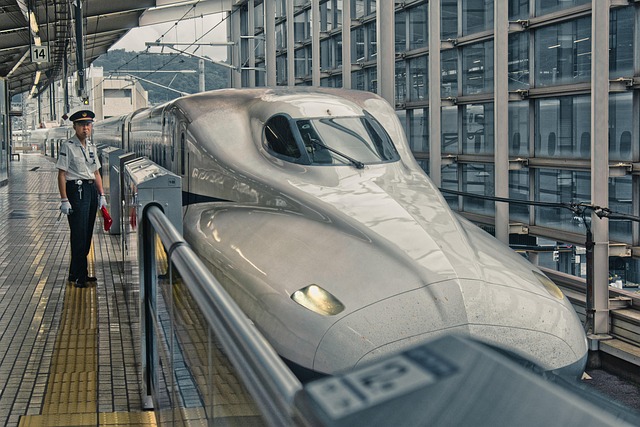
- Reserve Your “Green” Windows: Use the SmartEX app to book Shinkansen seats in advance, specifically requesting the luggage-shelf seats if you must travel with bags. This bypasses the long, frustrating queues at the physical ticket offices.
The Invisible Exhaustion: Why Guidebooks Fail the Modern Traveler
The standard “Golden Route” itinerary—Tokyo, Kyoto, and Osaka—looks manageable on a map, but it masks a grueling physical and mental reality. The “real” problem travelers face isn’t a lack of things to see; it is the compounding fatigue of “decision paralysis” and the physical toll of high-density urban navigation. Most travelers underestimate the sheer scale of Japanese transit hubs. Shinjuku or Kyoto Station are not merely stops; they are multi-level labyrinths that can require 20 minutes of walking just to change platforms. When you combine this with the sensory overload of neon lights, constant polite announcements, and the relentless search for a trash can that doesn’t exist, the result is “Temple Burnout” by day five. Travelers often find themselves ticking boxes on a list rather than actually experiencing the culture.
Field-Tested Hacks: Navigating the Logistics of the Land
Expert travelers have moved beyond the “must-see” lists and focus instead on “logistical flow.” One of the most effective workarounds for the crowded restaurant scene is the Depachika—the sprawling food halls located in the basements of major department stores like Isetan or Takashimaya. Here, you can find Michelin-quality bento boxes and seasonal delicacies without the two-hour wait required at Instagram-famous eateries.
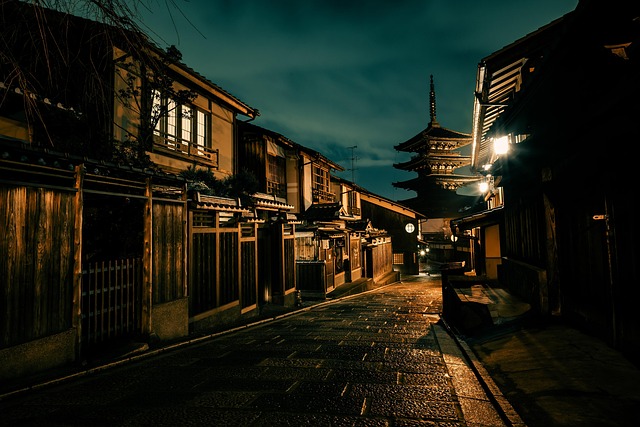
Furthermore, while the JR Pass was once the gold standard, the recent price hikes have changed the game. The savvy move now is to buy point-to-point Shinkansen tickets combined with regional passes (like the Kansai Thru Pass). This allows for much more flexibility with private rail lines that often drop you closer to your final destination than JR lines. Another insider secret for the overcrowded streets of Kyoto: skip the buses, which are often too full to board, and utilize the city’s clean, efficient subway system in combination with short taxi bursts for the final mile. It saves hours of standing in the heat or rain.
The Insider Perspective: Quality Over Quantitative Sightseeing
As someone who has watched Japan’s tourism landscape evolve over decades, my core advice is to reject the “completionist” mindset. The Golden Route is a beautiful introduction to the country, but its magic is found in the transitions, not just the monuments. The most profound experiences often happen in the shitamachi (old downtown) backstreets of Tokyo or a quiet neighborhood kissaten (coffee shop) in Kyoto where no one is filming a vlog.
The secret to a successful Japan trip in the current era of “over-tourism” is intentionality. Instead of rushing to five temples in one afternoon, choose one, arrive early, and stay long enough to notice the way the moss grows on the stone lanterns. Japan is a country of layers; if you spend your entire trip rushing to the next “top-rated” spot, you will only ever see the surface. Optimize your logistics—the luggage forwarding, the digital payments, the early starts—not so you can see more, but so you have the mental space to feel more.
KEYWORDS: shinkansen high-speed train, kyoto fushimi inari, tokyo street crowd
Photo: Pixabay / Pixabay License