AKIO NARIMATSU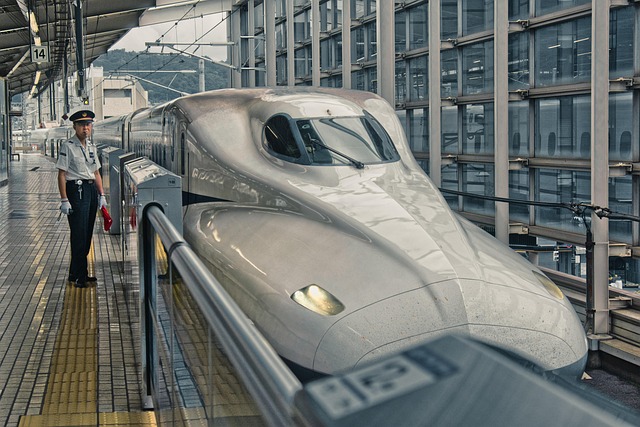
- Leverage “Takkyubin” Luggage Forwarding: Never drag a heavy suitcase through Shinkansen gates. For approximately $15–$20, you can ship your bags between hotels in Tokyo and Kyoto, allowing you to travel light and enjoy “hands-free” sightseeing on transit days.
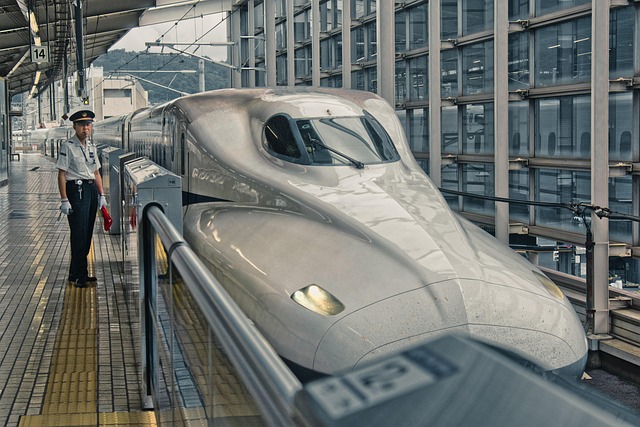
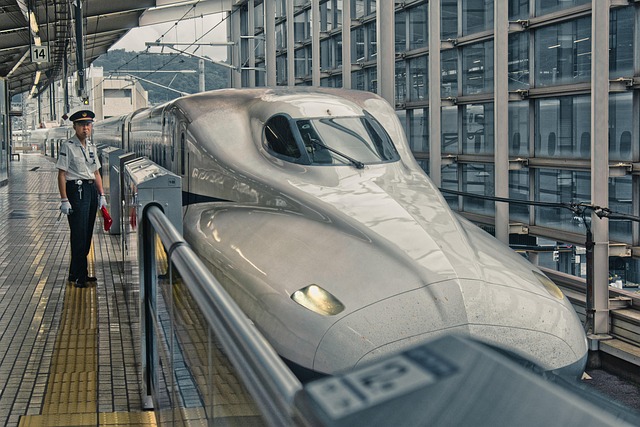
- The “Mt. Fuji” Seat Strategy: When booking your Shinkansen from Tokyo to Kyoto, always request “Seat E” in standard cars or “Seat D” in Green Cars. These are the window seats on the right side of the train, offering the iconic view of Mount Fuji as you speed south.
- Digital IC Card Integration: Don’t wait in line for physical Suica or Pasmo cards. Add a digital IC card to your smartphone’s wallet before you land. It facilitates instant “tap-and-go” entry for all subways and buses, and doubles as a payment method for vending machines and convenience stores.
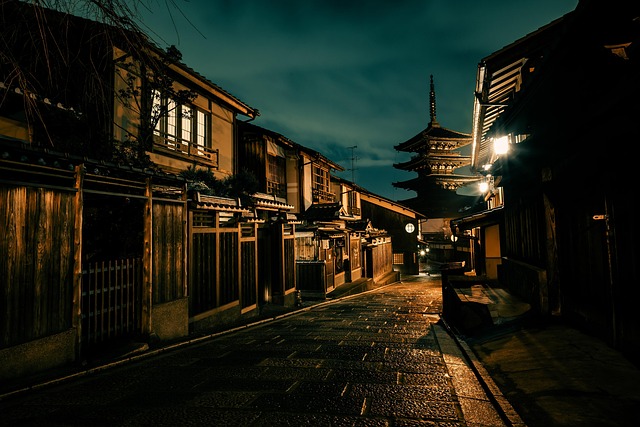
- The 4:00 PM Golden Hour: In Kyoto, major temples like Kiyomizu-dera often experience a “crowd dip” about an hour before closing. Schedule your high-traffic visits for the late afternoon to experience these sites in a softer, more contemplative light.
The Invisible Wall: Why Your Itinerary is Lying to You
Most travelers approach a 12-day Tokyo and Kyoto circuit with a checklist mindset, treating Japan like a series of disconnected monuments. The “real” problem—the one guidebooks rarely mention—is the Transition Tax. This is the hidden cost of physical and mental fatigue accumulated by the sheer density of Japanese urban navigation. Guidebooks suggest you can see Shibuya, Harajuku, and Shinjuku in a single afternoon because they are geographically close. In reality, the scale of these stations and the cognitive load of navigating the world’s most complex transit systems can lead to “traveler burnout” by day four.
The frustration doesn’t stem from the sights themselves, but from the friction between them. When your itinerary is too dense, you stop experiencing Japan and start simply managing it. You find yourself looking at your Google Maps more than the architecture, missing the very “Japan-ness” you traveled thousands of miles to find.
Field-Tested Workarounds: The Pro’s Playbook
To bypass the common pitfalls of the Golden Route, seasoned travelers employ a “Hub and Spoke” strategy. Rather than moving hotels every two days to be “closer” to a specific landmark, pick one strategic neighborhood—like Ueno in Tokyo or near Kyoto Station—and use it as a permanent base. This eliminates the constant packing and unpacking cycle that drains your energy.
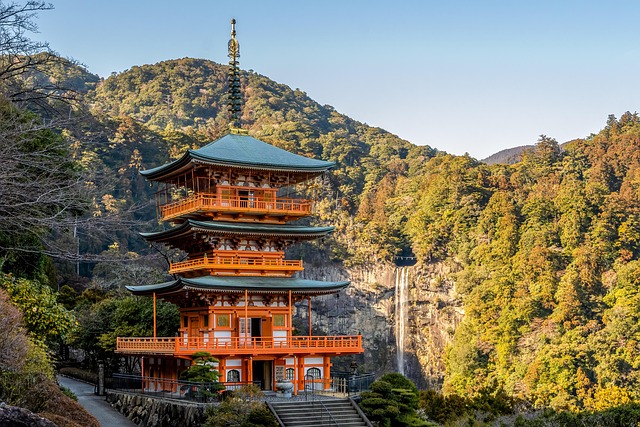
In Tokyo, the secret to longevity is alternating “High-Energy” days with “Low-Density” neighborhoods. If you spend Monday in the neon-soaked crowds of Akihabara, spend Tuesday in the quiet, craftsman-lined streets of Yanaka Ginza. This rhythm prevents sensory overload. In Kyoto, the field-tested hack for the “Temple Fatigue” is the Reverse Flow. While the masses head to the Arashiyama Bamboo Grove at 9:00 AM, head instead to the lesser-known northern temples like Enko-ji or Shisendo. You will find the Zen atmosphere you were promised, without the sea of selfie sticks.
Finally, utilize the “Depachika” (department store basements) for high-end dining at a fraction of the cost. After a long day of walking, visiting the food halls of Isetan or Takashimaya allows you to assemble a Michelin-level feast to enjoy in the comfort of your hotel, bypassing the need to navigate dinner reservations when your feet are aching.
The Insider Perspective: Finding Your “Ma”
In Japanese aesthetics, there is a concept called Ma—the beauty of the empty space between objects. As a professional in this industry, my advice is to build Ma into your itinerary. The most profound moments in Japan rarely happen at the top of a skyscraper or in front of a golden pavilion. They happen in the silence of a 7-Eleven at 11:00 PM, the smell of incense in a neighborhood shrine no one else is visiting, or the unexpected conversation with a master craftsman in a side-street gallery.
A 12-day trip is a sprint, but it should feel like a stroll. By choosing to do 20% less than your guidebook suggests, you open up the space for the 80% of Japan that cannot be captured in a photo. Stop trying to “see” Japan, and start allowing yourself to be in it.
KEYWORDS: shinkansen train, kyoto temple, tokyo street night
Photo: Pixabay / Pixabay License