AKIO NARIMATSU
Maximizing Your Arrival: Essential Tips for the Chiba-Narita Corridor
- Leverage Airport Luggage Forwarding: Upon landing, use a “Takkyubin” service at Narita Airport to send your main suitcases directly to your final Tokyo hotel. This allows you to explore the Chiba region for two or three days with nothing but a light backpack.
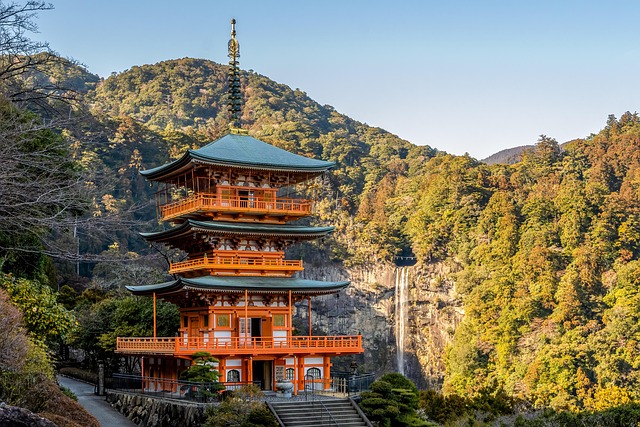
- The Morning Temple Hack: Visit Narita-san Shinsho-ji Temple before 9:00 AM. You will experience the fire ritual (Goma) without the mid-day tour groups, offering a profound spiritual start to your journey.
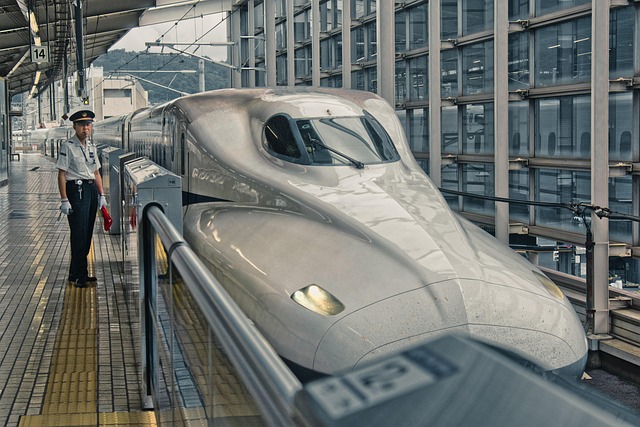
- Master the Keisei-JR Interchange: In Narita City, the Keisei and JR stations are a short walk apart. Always check both schedules on a navigation app; often, a local Keisei train is faster and cheaper than waiting for a specific JR Express.
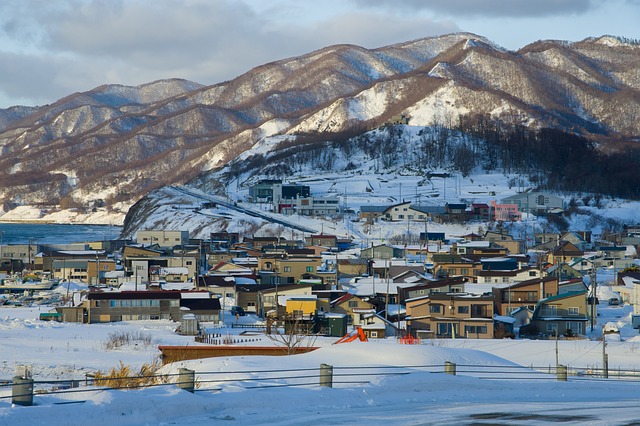
- Dine at the Source in Kujukuri: If you venture to the coast, skip the tourist-centric restaurants and look for “Hamayaki” huts where you can grill local clams and sardines right at your table.
The “Gateway Trap”: The Frustration Guidebooks Never Mention
For most travelers, Chiba is merely a blur outside a train window on the way to Tokyo. The genuine frustration lies in the “Airport Trap”—the assumption that because Narita is a global hub, the surrounding prefecture is just a suburban extension of the capital. In reality, the logistics of Chiba are vastly different from the neon grid of Shinjuku. Guidebooks often fail to mention that public transport in the Boso Peninsula or the rural stretches of Chiba is infrequent compared to the city. Travelers who don’t plan their transit windows find themselves stranded at remote stations for 45 minutes, losing precious daylight in a region that actually closes its temple gates and shops much earlier than Tokyo.
Field-Tested Solutions for an Elite Five-Day Itinerary
The “Reverse Base” Strategy
Instead of commuting from Tokyo, establish your base in Narita City or near Chiba Station for the first half of your trip. This allows you to access the stunning Sawara district—often called “Little Edo”—without a three-hour round trip from the city center. Staying local provides access to authentic izakayas that haven’t been “sanitized” for international tourists, offering a much higher quality-to-price ratio than anything you will find in Roppongi.
Navigating the “Boso Loop”
To truly conquer the region in five days, you must understand the coastal loops. The western coast (Tokyo Bay side) offers industrial views and the spectacular Mount Nokogiri, while the eastern coast (Pacific side) offers rugged surf culture and the Kujukuri coastline. The insider secret is to use the Chiba Monorail—the world’s longest suspended monorail system—not just as transport, but as a low-cost “scenic flight” over the city to orient yourself before heading into the rural mountains.
The Culinary Secret of Sawara
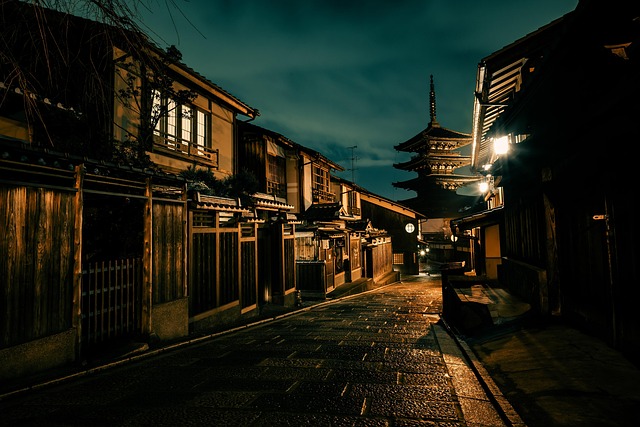
While everyone flocks to Tsukiji for sushi, those in the know head to the riverside town of Sawara for Unagi (freshwater eel). The heritage buildings here house restaurants that have been perfecting their secret sauces for over a century. It is a more refined, quiet dining experience that captures the atmosphere of old Japan far more effectively than the crowded alleys of Kyoto.
The Expert’s Perspective: Why Chiba is the Future of Inbound Tourism
As an industry insider, I’ve watched the “Golden Route” (Tokyo-Hakone-Kyoto) become increasingly unsustainable due to over-tourism. Chiba represents the “New Japan”—a perfect synthesis of high-speed infrastructure and deep, untouched tradition. The prefecture serves as a microcosm of the Japanese experience: you have the futuristic urban planning of Makuhari, the agricultural heartland of the peninsula’s interior, and the ancient spiritual weight of Narita-san.
The real luxury in modern travel is space and silence. By dedicating five days to the Chiba and Narita region, you aren’t just “staying near the airport”; you are accessing a version of Japan that remains authentic because it doesn’t have to try so hard to impress. My professional advice? Don’t rush to the city. Let the slow rhythms of the Boso Peninsula recalibrate your internal clock before you tackle the chaos of the Tokyo metropolis.
KEYWORDS: narita temple, chiba coastline, japan travel tips
Photo: Pixabay / Pixabay License