AKIO NARIMATSU
Mastering the Metropolis: Essential Tips for Navigating Tokyo with a Large Group
- Digital IC Cards are Mandatory: Ensure every member of your party has a Suica or Pasmo card added to their smartphone wallet before you even leave the airport. Navigating ticket kiosks for a group of six or more at every transfer is the fastest way to lose hours of your vacation.
- Leverage the “Takkyubin” System: Never drag luggage through train stations. Use a luggage forwarding service to send bags from the airport to your hotel, and between cities. It is surprisingly affordable and essential for group mobility.
- The 11:30 AM Dining Rule: Most authentic local restaurants seat fewer than 15 people. To eat together, you must arrive 15 minutes before opening or commit to splitting your group into smaller tables.
- Pre-Book “Anchor” Attractions: Destinations like TeamLab Borderless or the Ghibli Museum sell out weeks in advance. Build your itinerary around one “anchor” event per day to maintain structure without over-scheduling.
The Invisible Wall: Why Traditional Guidebooks Fail Large Families
The standard travel narrative paints Tokyo as a seamless, high-tech wonderland where everything runs on time. While true, guidebooks often omit the “spatial reality” of the city. Tokyo is a metropolis built on a micro-scale. From the width of the sidewalks in Ginza to the size of elevators in subway stations, the infrastructure is designed for efficiency and individual movement, not for the spatial footprint of a large foreign family.
The “real” problem travelers face is spatial exhaustion. When you are managing a group of eight, the cognitive load of navigating narrow corridors, finding elevators for strollers, and keeping everyone together in a crowd of thousands leads to “decision fatigue” by noon. Guidebooks tell you where to go, but they rarely prepare you for the logistical friction of moving a small army through a city designed for the individual.
Field-Tested Strategies for Seamless Group Logistics
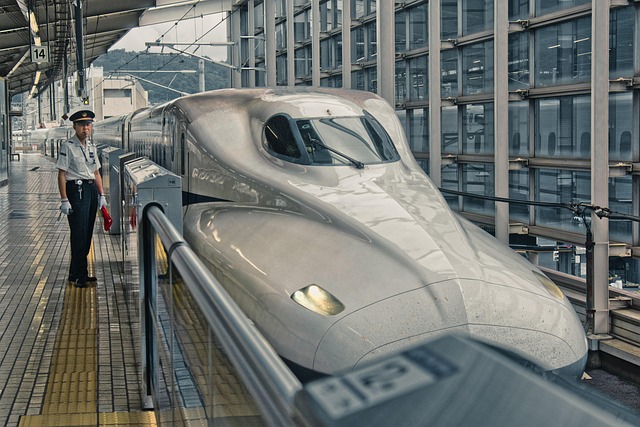
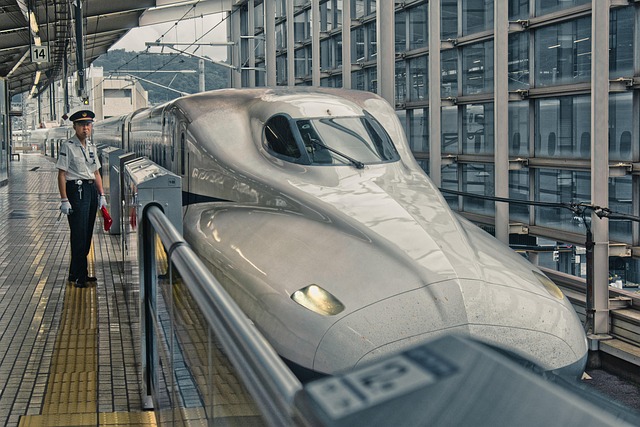
To bypass the common pitfalls of group travel in Japan, seasoned visitors rely on a “Hub and Spoke” strategy. Rather than changing hotels frequently—which is a logistical nightmare with multiple suitcases—stay in a single, well-connected neighborhood like Ueno or Shinagawa for the duration of your stay. These hubs offer direct access to major lines and Shinkansen platforms, turning day trips into stress-free excursions.
Another insider hack is the “Depachika” Dinner. When your group is too tired to wait for a table at a restaurant, head to the basement level of a major department store like Isetan or Mitsukoshi. These gourmet food halls offer world-class cuisine ranging from wagyu bento boxes to French patisserie. It allows every family member to choose exactly what they want, which you can then enjoy in the comfort of your hotel suite or a nearby public park.
Furthermore, do not overlook the “Green Car” (First Class) on longer train journeys. While it carries a premium, the guaranteed seating and extra space are invaluable for keeping a large family calm and organized during transit between Tokyo and outskirts like Hakone or Nikko.
The Insider’s Perspective: Emphasizing the “Negative Space”
In the Japanese aesthetic philosophy of Ma, the empty space is just as important as the objects within it. As a travel professional, I apply this to itinerary design. The most successful large-group trips are not those that check every box on a “Top 10” list, but those that leave intentional gaps.
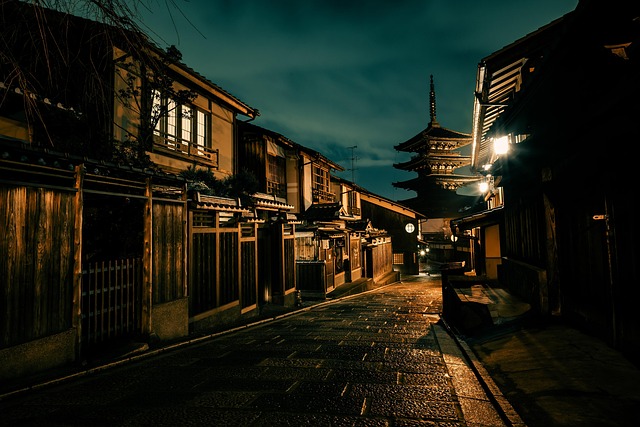
Tokyo is sensory overload. For a large family, the most memorable moments often happen during the “quiet” hours—an early morning walk through a local shrine while the city sleeps, or a late-night convenience store run for unique snacks. My professional advice is to schedule one “Zero Day” every four days. No reservations, no trains, no checklists. Allow the group to disperse into the local neighborhood at their own pace. By respecting the need for individual space within the group dynamic, you ensure that the journey remains a vacation rather than a tactical maneuver.
KEYWORDS: tokyo family travel, shibuya crossing, japanese luggage forwarding
Photo: Pixabay / Pixabay License