AKIO NARIMATSU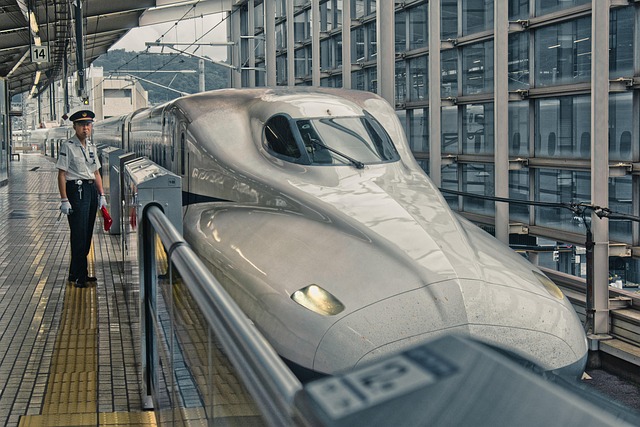
Essential Logistics for Your Western Japan Expedition
- Prioritize Regional Rail Passes: While the national JR Pass is well-known, the JR Kyushu Rail Pass often offers significantly better value for money, especially when focusing on the southern island’s unique limited express trains.
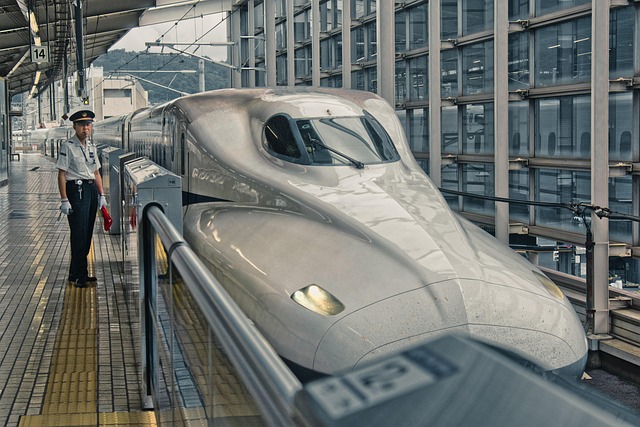
- Leverage Luggage Forwarding (Takkyubin): When transitioning from the Kansai region (Osaka/Kyoto) to Kyushu, send your large suitcases ahead to your Fukuoka or Kumamoto hotel. This allows you to navigate the Shinkansen and local transfers with only a daypack.
- Master the “Sonic” and “Kamome” Lines: Kyushu’s pride is its fleet of designer trains. Booking seats on the “Sonic” express from Kokura to Beppu isn’t just about transit; it’s a premium travel experience that saves hours over local lines.
- Timing the Volcanic Hubs: Always check the current activity levels for Mount Aso before finalizing your itinerary. Volcanic alerts can occasionally restrict access to the crater, necessitating a pivot to the nearby Kuju Highlands.
The “Invisible Wall” Between Kansai and Kyushu
Many travelers planning their first deep dive into Western Japan encounter a frustration that standard guidebooks gloss over: the logistical “dead zone” that appears once you move past Hiroshima. On paper, the distance looks manageable, but in practice, the transition from the hyper-structured “Golden Route” (Tokyo-Kyoto-Osaka) to the rugged, volcanic landscape of Kyushu can feel disjointed and exhausting.
The genuine frustration lies in the pacing. Travelers often try to treat Kyushu like a day-trip extension of Osaka, only to realize that the island operates on its own rhythm. The transit times between the “Hells” of Beppu and the castle walls of Kumamoto are deceptively long, and the sheer density of sights in the south can lead to “temple burnout” if you don’t adjust your travel philosophy from sightseeing to experiential immersion.
Field-Tested Workarounds for a Seamless Southern Loop
To overcome the logistical hurdles of Western Japan, savvy travelers have developed a “hub and spoke” strategy centered around Fukuoka (Hakata). Instead of moving hotels every night, base yourself in Fukuoka for the first three days. From here, the Shinkansen can whisk you to Kumamoto in under 40 minutes, and the Dazaifu Tenmangu shrine is a simple local hop away.
For those looking to bridge the gap between the Kansai region and Kyushu without wasting a day on a train, the overnight ferry from Osaka to Beppu is a sophisticated “secret” move. It turns a long transit day into a scenic cruise across the Seto Inland Sea, arriving refreshed at the doorstep of Japan’s premier hot spring district.
Furthermore, when visiting Beppu, move beyond the tourist-heavy “Hell Tour.” The real magic lies in the Kannawa District, where you can find “jigoku-mushi” (steam-cooking) stations. Here, you can buy fresh local produce and cook it yourself using the natural volcanic steam—a tactile, cultural interaction that offers far more depth than merely looking at a blue pond through a fence.
The Insider’s Perspective: Why Kyushu is the New Frontier
From an industry standpoint, we are seeing a definitive shift in high-end tourism away from the oversaturated streets of Kyoto and toward the “Slow South” of Kyushu. This island represents the soul of Japan’s geothermal energy and its earliest continental connections. While the Golden Route offers the “greatest hits,” Kyushu offers the deep cuts—the raw, unpolished, and deeply spiritual side of the country.
The trick to a successful Western Japan itinerary is to stop viewing it as a race to see landmarks. Instead, view it as a transition from urban precision to elemental power. When you stand on the rim of the Aso Caldera or soak in a riverside onsen in Kurokawa, you aren’t just checking a box; you are engaging with a landscape that has shaped Japanese mythology for millennia. My advice? Cut one day from your Tokyo stay and add it to Kyushu. You won’t regret the breathing room.
KEYWORDS: Kyushu landscape, Beppu onsen, Shinkansen train
Photo: Pixabay / Pixabay License