AKIO NARIMATSU
- Leverage “Takkyubin” luggage forwarding: Never drag heavy suitcases through crowded subway stations. Use hotel-to-hotel delivery services to move your bags across the country for a nominal fee, allowing you to travel “hands-free.”
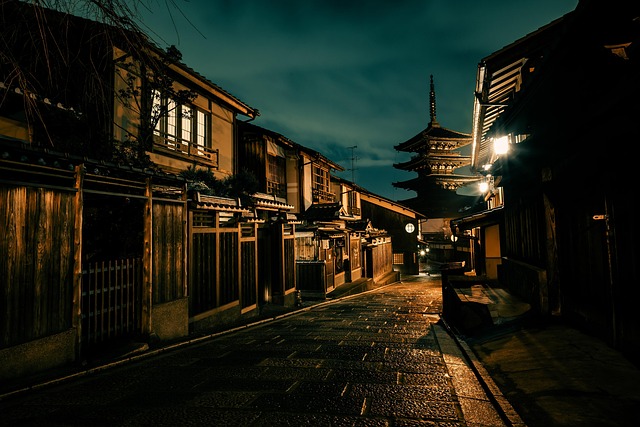
- The “7:00 AM Rule” for iconic sites: To experience the serenity of places like Fushimi Inari or Arashiyama Bamboo Grove without the crushing crowds, you must arrive before 7:30 AM. By 9:30 AM, the atmosphere shifts from spiritual to commercial.
- Prioritize regional passes over the National JR Pass: Since the 2023 price hike, the nationwide pass rarely breaks even. Look into the Kansai-Hiroshima Area Pass or the Tokyo Wide Pass for significantly better value.
- Book “Hidden” Michelin lunches: Many of Japan’s elite eateries offer lunch sets at a fraction of their dinner prices. Use Japanese-centric booking platforms like Tablecheck rather than international concierge services for better availability.
The Invisible Exhaustion: Why Guidebooks Fail Your Itinerary
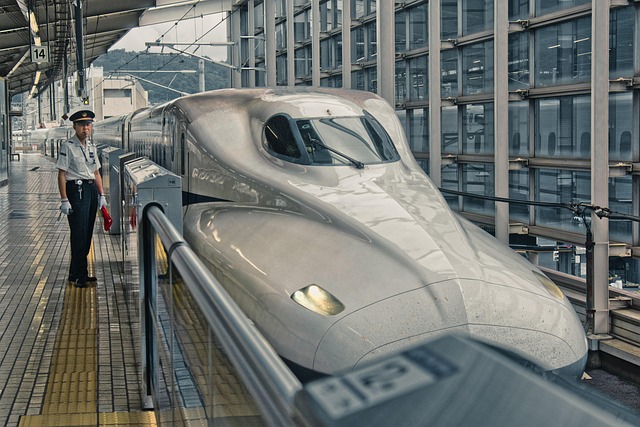
Most travelers approach their first trip to Japan like a checklist, meticulously pinning “must-see” landmarks from Tokyo to Osaka. However, guidebooks rarely mention the physical toll of the urban hike. Japan is a walking culture; it is not uncommon for visitors to clock 25,000 steps a day on hard pavement. By day four, the “temple fatigue” sets in—not because the shrines aren’t beautiful, but because the logistical friction of navigating complex train hubs like Shinjuku or Umeda drains your mental battery.
The real frustration isn’t finding the locations; it’s the realization that you are spending 40% of your daylight hours in transit or staring at a navigation app. The traditional “Golden Route” itinerary often forces a pace that treats Japan as a museum rather than a living, breathing culture.
Field-Tested Strategies for a Seamless Journey
To reclaim your trip, you must shift your philosophy from “seeing” to “experiencing.” One of the most effective workarounds is Strategic Hubbing. Instead of changing hotels every two nights as you move from Kyoto to Osaka to Nara, pick one central base in Osaka or Kyoto and use the highly efficient local lines for day trips. This eliminates the constant “check-in/check-out” cycle and gives you a “home” neighborhood where you can become a regular at a local izakaya.
Another insider hack involves the “Depachika” dining strategy. If you find yourself too exhausted to navigate a 90-minute wait at a famous restaurant, head to the basement level of major department stores like Isetan or Daimaru. These food halls offer gourmet, chef-prepared meals—ranging from Wagyu bento to high-end sushi—that rival sit-down establishments, perfect for a high-quality dinner in the comfort of your hotel room.
The Insider’s Perspective: The Power of the “White Space”
As someone who has watched the Japanese tourism landscape evolve over decades, my most vital piece of advice is to schedule intentional “White Space.” In the industry, we see the highest satisfaction scores not from travelers who visited fifteen shrines, but from those who spent a rainy Tuesday afternoon in a neighborhood kissaten (traditional coffee shop) watching the world go by.
Japan’s true magic is found in the margins—the small, unmapped Shinto shrine tucked between skyscrapers, or the master craftsman in a back-alley workshop in Kanazawa. When your itinerary is too dense, you lose the ability to follow your curiosity. A professional-grade itinerary should be a framework, not a cage. Leave at least one afternoon in every city completely unscripted. Your best memories won’t be the ones you planned; they will be the ones that happened because you had the time to let them occur.
KEYWORDS: Kyoto bamboo forest, Japan bullet train, Tokyo street photography
Photo: Pixabay / Pixabay License