AKIO NARIMATSU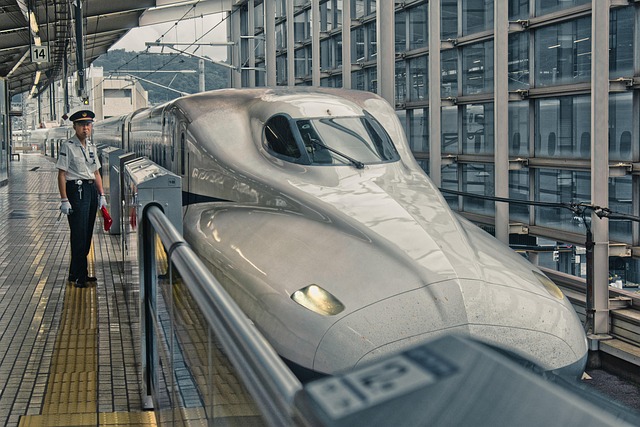
Mastering the 8-Day Japan Sprint: How to Balance Ambition with Ease
- Embrace the Digital Transit Card: Before you even depart, add a Suica or Pasmo card directly to your smartphone’s digital wallet. It eliminates the need to navigate complex ticket machines and works seamlessly for both trains and convenience store purchases.
- Prioritize the “Takkyubin” Service: Use Japan’s legendary luggage forwarding services to send your heavy suitcases between hotels. This allows you to travel “hands-free” on the Shinkansen and avoid the struggle of finding luggage space on crowded public transit.
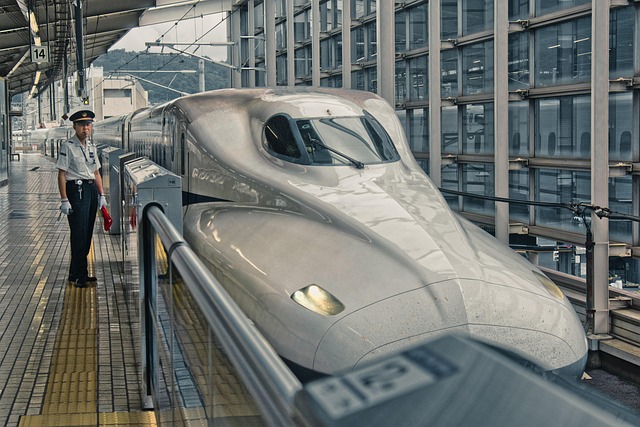
- The SmartEX Advantage: Download the SmartEX app to book Shinkansen tickets in advance. To catch a glimpse of Mount Fuji on the way from Tokyo to Kyoto, always request “Seat E” in the standard cars.
- Early October Strategy: This is a transitional weather period. Pack light layers and a compact umbrella, as you may encounter the tail end of the typhoon season or unexpected humidity alongside crisp autumn mornings.
The Hidden Exhaustion of the “Classic” Itinerary
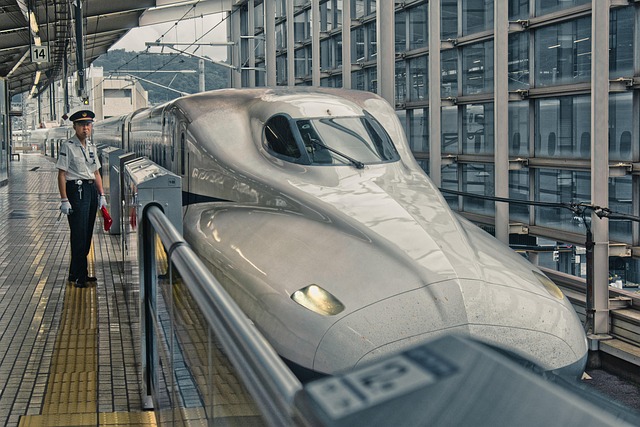
There is a recurring frustration that guidebooks rarely address: the “Shinkansen Fatigue.” On paper, the two-and-a-half-hour journey between Tokyo and Kyoto looks effortless. However, for a traveler on an eight-day clock, the door-to-door transit time—including checking out of hotels, navigating the sprawling Tokyo Station, and finding your way to a new accommodation—can consume nearly an entire day. Guidebooks often treat Japan as a checklist, but they fail to mention that “doing it all” often results in seeing the country through a train window rather than on foot. The pressure to see Nara, Kyoto, and Tokyo in one week creates a cognitive overload that can turn a dream vacation into a logistical marathon.
Field-Tested Solutions for the High-Speed Traveler
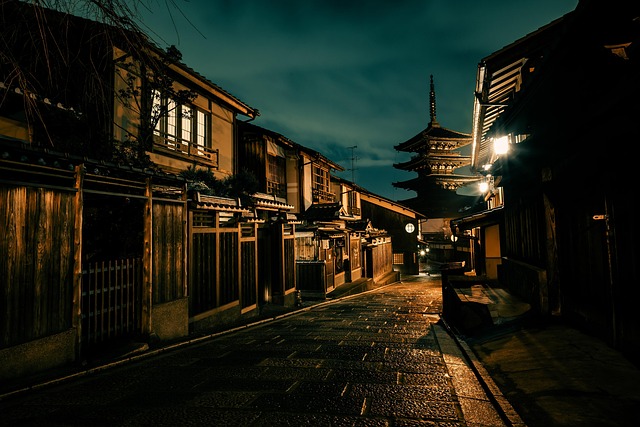
To navigate a short trip successfully, seasoned travelers utilize a “Hub and Spoke” model. Instead of moving your entire base every two days, choose a strategic neighborhood like Ueno or Shinjuku in Tokyo. These areas offer direct lines to major sights and easy access to the Shinkansen. If you are determined to see Kyoto on an eight-day itinerary, avoid the “day trip” trap at all costs. A day trip from Tokyo to Kyoto is technically possible but emotionally draining. Instead, commit to at least two nights in the ancient capital to experience the temples at dawn before the heavy crowds arrive.
Another insider hack for those tight on time is to substitute the Nara/Kyoto excursions with Kamakura. Often called the “Kyoto of the East,” Kamakura is just an hour from Tokyo and offers a giant bronze Buddha, stunning seaside views, and ancient forest shrines. It provides the traditional atmosphere travelers crave without the high cost and time commitment of a bullet train ticket, allowing for a much more relaxed pace.
An Insider’s Perspective: The Art of the Edit
In my years of consulting for inbound tourism, I have found that the most satisfied travelers are those who have the courage to edit their itinerary. Eight days is the perfect amount of time to truly “feel” Tokyo—to get lost in the backstreets of Shimokitazawa, to enjoy a leisurely afternoon at a traditional tea house in Yanaka, and to take one meaningful side trip. When you rush to cover three cities in one week, you often miss the very essence of Japanese hospitality, or omotenashi, which is best experienced when you aren’t watching the clock. My professional recommendation: if it is your first time, pick one region and go deep. Japan is a destination that rewards patience far more than it rewards speed.
KEYWORDS: tokyo city street, shinkansen train, kyoto temple
Photo: Pixabay / Pixabay License