AKIO NARIMATSU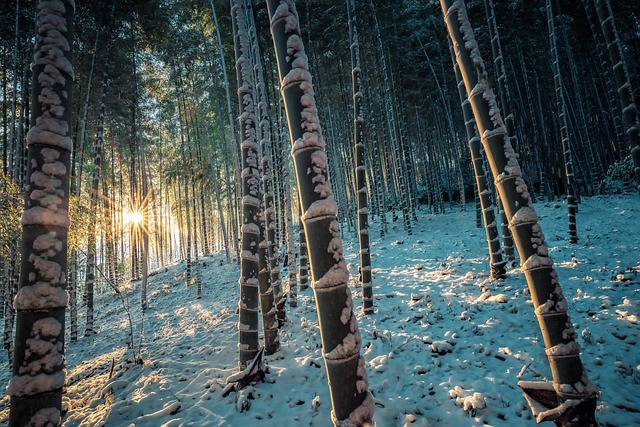
Essential Strategies for Your Next Kyoto Journey
- The “Geographic Anchor” Rule: Never attempt to visit Arashiyama and Higashiyama on the same day. These districts sit on opposite ends of the city; crossing between them during peak hours can consume two hours of valuable daylight.
- Tactical Morning Starts: To experience Fushimi Inari or the Bamboo Grove without the wall-to-wall crowds, you must arrive by 7:30 AM. By 10:00 AM, these sites transition from spiritual retreats to logistical bottlenecks.
- The Taxi Advantage: If you are traveling in a group of three or four, taking a taxi between nearby temples is often only marginally more expensive than the bus, while saving you 30-45 minutes of standing in line and navigating transfers.
- Dining Reservations are Mandatory: The days of “walking in” to a highly-rated Kaiseki or Unagi restaurant in Gion are over. Use concierge services or digital booking platforms at least three weeks in advance.
The “Checklist Curse”: The Problem Guidebooks Won’t Tell You
Most travelers approach Kyoto with a “greatest hits” mentality, fueled by glossy brochures and Instagram feeds. The genuine frustration that hits by day two isn’t a lack of beauty—it is temple fatigue. Guidebooks treat Kyoto as a series of standalone monuments, failing to mention that navigating the city’s bus-heavy transit system in high season is an endurance sport. The “real” problem is the physical and mental exhaustion of trying to see ten “must-see” sites in 48 hours, only to find that every photo is blocked by a sea of selfie sticks and every moment of potential Zen is drowned out by megaphone-wielding tour guides.
Field-Tested Workarounds for a Refined Itinerary
To truly unlock Kyoto, you must embrace the flow of the city rather than fighting it. One of the most effective hacks for Arashiyama is to skip the main road entirely. Instead of following the masses from the JR station, take the Randen (Keifuku Electric Railroad). This charming, vintage tram drops you closer to the hidden gems like Tenryu-ji’s North Gate, allowing you to enter the Bamboo Grove from the top down, avoiding the steepest uphill climb and the heaviest foot traffic.
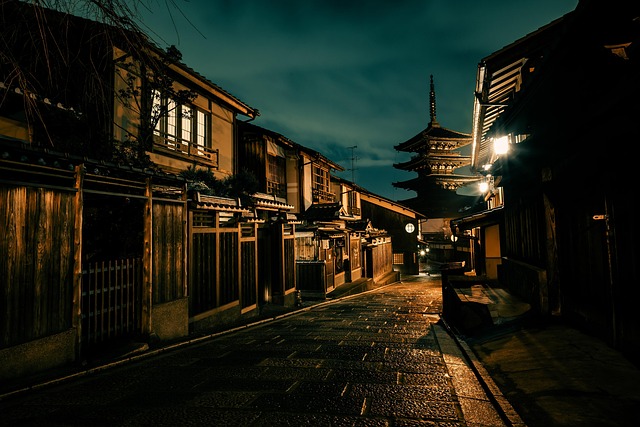
In the Higashiyama district, the secret is the “Golden Hour Pivot.” While the crowds peak at Kiyomizu-dera at noon, the atmosphere transforms after 5:00 PM. Many travelers head back to their hotels for dinner just as the stone-paved streets of Sannenzaka begin to glow with lanterns. Walking these slopes at twilight offers the timeless, cinematic Kyoto experience that most visitors miss because they are too busy sticking to a rigid daytime schedule.
Furthermore, don’t overlook the Northern Kyoto corridor. While the world waits in line at Kinkaku-ji (the Golden Pavilion), the nearby Daitoku-ji temple complex offers world-class Zen gardens and sub-temples where you can often sit in total silence. It is a sophisticated alternative that provides the cultural depth travelers crave without the logistical headache.
An Industry Insider’s Perspective: The Luxury of “Ma”
In Japanese aesthetics, there is a concept called Ma—the beauty of empty space. As an industry expert, I find that the most successful Kyoto itineraries are those that leave Ma between destinations. We often see itineraries packed from 8:00 AM to 9:00 PM, leaving no room for the serendipity that makes Japan special: the sudden discovery of a local craft shop, a spontaneous conversation with a tea master, or simply watching the light change on a moss garden.
Quality of presence beats quantity of sightseeing. If you find yourself rushing through a 600-year-old temple to make a bus connection, you have already lost. My professional recommendation is to select one primary district per day, choose two “anchor” sites, and allow the rest of the day to unfold naturally. In Kyoto, the “empty” spaces in your schedule are often where the most profound memories are made.
KEYWORDS: kyoto temple, bamboo forest, japan travel photography
Photo: Pixabay / Pixabay License