AKIO NARIMATSU
Mastering the Journey: Tokyo to Kusatsu Onsen with a Toddler
- Leverage the Takkyubin (Luggage Delivery) Service: Never attempt to board a train with both a stroller and large suitcases. Arrange for your luggage to be sent from your Tokyo hotel directly to your Kusatsu ryokan for a nominal fee, allowing you to navigate stations hands-free.
- Book “Kashikiri” (Private) Baths in Advance: Many traditional hot springs do not allow children in diapers in public pools. Reserving a private family bath ensures your toddler can splash safely while you enjoy the therapeutic waters without social anxiety.
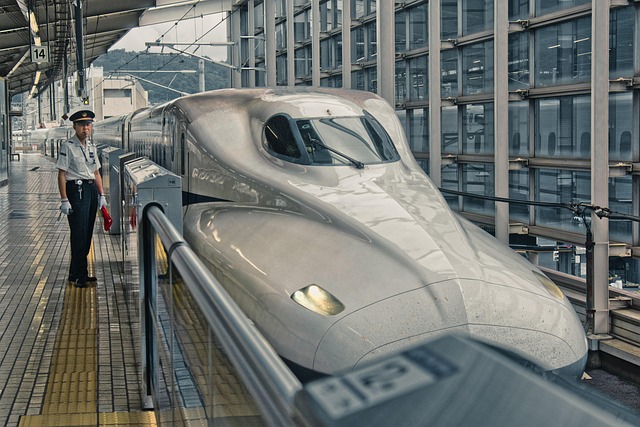
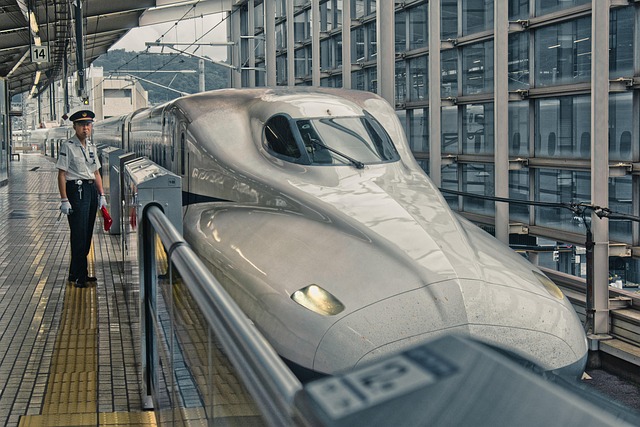
- Prioritize the Limited Express Kusatsu-Shima: While the Shinkansen is faster, it requires a transfer to a bus at Karuizawa. The direct Limited Express train from Ueno to Naganohara-Kusatsuguchi minimizes transitions, which is vital when managing nap schedules and diaper changes.
- Adopt the “Carrier-First” Strategy: Kusatsu’s iconic Yubatake area and surrounding shrines feature steep steps and narrow, cobblestone paths. While a lightweight stroller is fine for Tokyo, a high-quality ergonomic baby carrier is essential for the hilly terrain of an onsen town.
The “Real” Problem: The Invisible Weight of Japanese Etiquette
Standard guidebooks meticulously detail train schedules and entrance fees, but they rarely address the psychological hurdle of meiwaku—the deep-seated Japanese cultural desire to avoid being a nuisance to others. For parents traveling with a one-year-old, this manifests as an exhausting hyper-vigilance. The silent elegance of a Shinkansen carriage or the hushed atmosphere of a traditional ryokan can feel like a minefield when you have a toddler prone to sudden outbursts. The true frustration isn’t the logistics; it’s the constant pressure to maintain a “zen” environment in a culture that prizes quietude, often leading parents to skip world-class experiences out of fear of social friction.
Field-Tested Hacks for a Seamless Experience
The secret to a successful Kusatsu retreat lies in strategic transit choices that seasoned travelers use to bypass common stressors. One of the most effective workarounds is utilizing the “Multipurpose Room” (Tama-no-ma) located on most Limited Express and Shinkansen trains. While often reserved for medical needs or nursing, conductors will frequently allow parents with distressed toddlers to use the space for a “reset” away from the main cabin. Simply locate the conductor and ask politely.
Furthermore, when choosing your home base in Kusatsu, look for modern “Wa-Yashiki” (Japanese-Western style) rooms. These provide the safety of low-profile tatami mats for the baby to crawl on, alongside the comfort of Western beds for parents. This hybrid setup eliminates the “gap” problem of traditional futons where toddlers might wander off onto hard floors in the middle of the night. Finally, always carry a small stash of “Gomibukuro” (scented diaper bags); Japan has notoriously few public trash cans, and you will need to carry soiled diapers back to your hotel or find a designated convenience store bin.
The Insider Perspective: Embracing the “New” Omotenashi
From an industry standpoint, there is a significant shift occurring within Japan’s luxury hospitality sector. Traditionally, high-end ryokans were the domain of adults seeking silence. However, as Japan seeks to boost domestic and international family tourism, many premier properties in Kusatsu are now leaning into family-centric Omotenashi. This means they are increasingly equipped with diaper disposal units, baby chairs, and even specialized toddler menus.
The “elite” way to travel isn’t to avoid these traditional spaces, but to engage with them correctly. By booking a ryokan that specifically advertises “Family Plans,” you are entering an environment where the staff is trained to anticipate a child’s needs. Don’t view a private bath as a compromise; view it as the ultimate luxury—a controlled environment where the 1,000-year-old healing waters of Kusatsu meet the practical realities of modern parenting. Transitioning from Tokyo’s neon chaos to the sulfuric steam of the mountains is entirely possible, provided you swap the “tourist” mindset for one of tactical preparation.
KEYWORDS: kusatsu onsen, japan family travel, yubatake hot spring
Photo: Pixabay / Pixabay License