AKIO NARIMATSU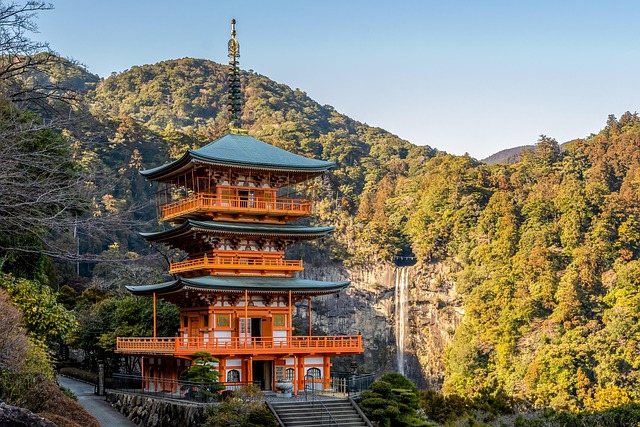
Mastering the Kii Peninsula: A Professional Guide to Blending Adventure and Tradition
- Leverage “Takkyubin” for Multi-Modal Travel: When transitioning from cycling the coast to hiking the mountains, use Japan’s luggage forwarding services to send your heavy gear ahead to your next major city hotel, keeping your bike or daypack light.
- Book Shukubo (Temple Lodgings) Early: If your itinerary includes Koyasan, reserve your temple stay at least three to four months in advance. These are no longer “hidden gems” and fill up rapidly with domestic and international pilgrims alike.
- Synchronize with Local Bus Timetables: In rural areas like the Kumano Kodo, Google Maps can be unreliable for bus frequency. Always photograph the physical bus stop timetables upon arrival to ensure you aren’t stranded after a long hike.
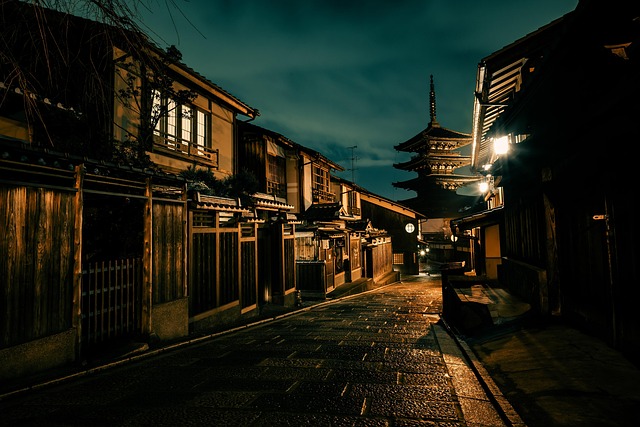
- Prioritize the “Early Bird” Strategy in Kyoto: To experience the serenity often depicted in brochures, arrive at major sites like Fushimi Inari or Kiyomizu-dera by 6:30 AM before the first tour buses arrive at 9:00 AM.
The “Real” Problem: The Paradox of the Golden Route
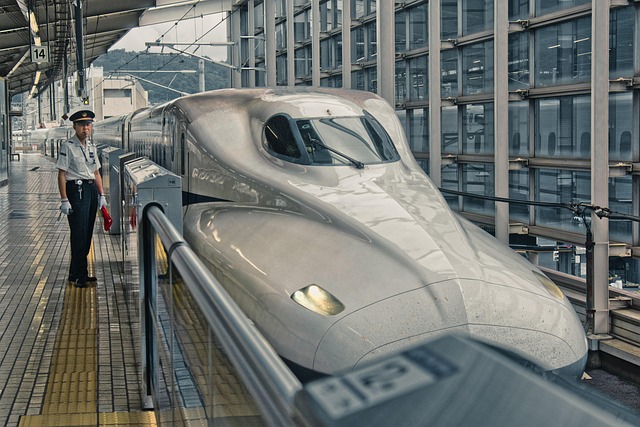
Most travelers are sold a version of Japan that oscillates between the neon chaos of Tokyo and the refined temples of Kyoto. However, the genuine frustration that guidebooks rarely mention is the “tourist saturation point.” By day ten of a standard itinerary, the magic of the shrines can begin to feel repetitive, and the density of the crowds in Higashiyama can turn a spiritual journey into a logistical battle. The “real” problem is the lack of physical engagement with the landscape; travelers often see Japan through a train window or a viewfinder, missing the visceral connection that comes from moving through the country at a human pace.
Field-Tested Solutions: The Coastal and Mountain Workaround
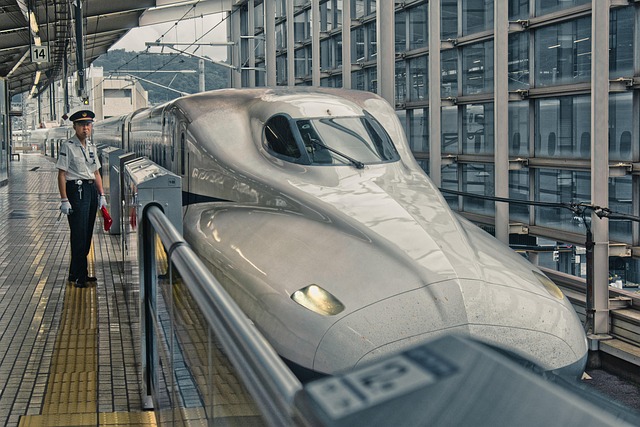
To break the fatigue of the urban circuit, the most effective strategy is to integrate a multi-speed itinerary centered on the Kii Peninsula. Instead of taking the Shinkansen directly from Osaka to Nagoya, veer south. Field testing reveals that the coastline between Shirahama and Nachi-Katsuura offers some of the most accessible yet rugged cycling paths in the country. Using a bicycle allows you to discover “Michi-no-Eki” (roadside stations) that offer hyper-local delicacies you will never find in a city department store.
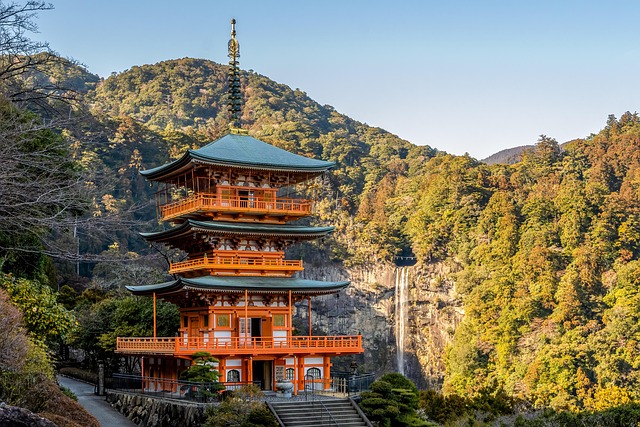
Furthermore, savvy travelers are bypassing the crowded main trails of the Kumano Kodo for the Daimon-zaka slope at sunrise. By staying overnight in Nachi-Katsuura rather than day-tripping from a larger hub, you can reach the iconic three-story pagoda and Nachi Falls before the humidity and the crowds peak. This tactical positioning transforms a standard sightseeing stop into a profound, private experience.
The Insider Perspective: Japan’s “Slow Tourism” Evolution
As a veteran of the Japanese travel industry, I have observed a significant shift toward “Slow Tourism.” The Kii Peninsula represents the frontier of this movement. While Tokyo is the brain of Japan and Kyoto is its museum, the Kii Peninsula is its beating heart. It is where the ancient animist roots of the country are still palpable.
My recommendation for the modern elite traveler is to embrace the “In-Between” spaces. Don’t just rush to the destination; the value lies in the transitional logistics. Whether it is the rhythmic pedaling along the Pacific coastline or the silence of a cedar forest in the mist, these moments of solitude provide the necessary contrast to the high-octane energy of Tokyo. The secret to a perfect Japan trip isn’t seeing more—it’s feeling the scale of the land by crossing it under your own power.
KEYWORDS: kumano kodo, cycling japan, kii peninsula
Photo: Pixabay / Pixabay License