AKIO NARIMATSU
- Adopt the “Takkyubin” Lifestyle: Use luggage forwarding services to send your bags between Tokyo, Kyoto, and Osaka. Navigating the labyrinthine depths of Umeda or Shinjuku stations with heavy suitcases is a physical toll that can derail your entire day.
- Prioritize the “Minor” Exit: In massive transit hubs, avoid the main “Central” exits. Identify the specific exit closest to your hotel or sight; taking the wrong staircase in a Japanese station can result in a twenty-minute detour.
- The IC Card is Your Best Friend: Beyond train gates, use your Suica or Pasmo at vending machines and “konbini” (convenience stores). It eliminates the struggle of managing heavy coins and speeds up every transaction.
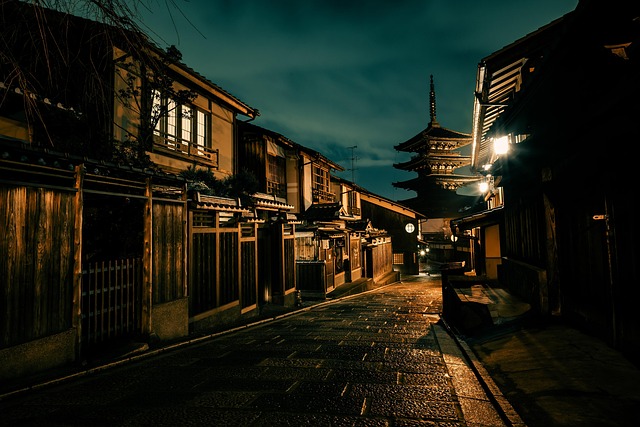
- The 7:00 AM Rule for Kyoto: To experience the serenity of Fushimi Inari or Arashiyama without the crushing crowds, you must arrive before 7:30 AM. After 9:00 AM, these sites transform from spiritual landmarks into crowded corridors.
The Invisible Exhaustion of the Golden Route
Most guidebooks present a six-day itinerary through Japan’s “Golden Route”—Tokyo, Kyoto, and Osaka—as a seamless cultural montage. They showcase the serene moss gardens and the neon glow of Dotonbori, but they gloss over the grueling physical reality: the “Station Labyrinth.” The genuine frustration for modern travelers isn’t the language barrier; it is the sheer scale and verticality of Japan’s urban infrastructure.
A standard day of sightseeing often involves walking ten to twelve miles, much of it on hard concrete and up countless flights of stairs. By day three, many travelers hit a wall of “temple fatigue” and physical burnout that no guidebook warns you about. The romanticized vision of a quick multi-city hop often clashes with the logistical reality of navigating the world’s most complex transit systems while managing a rigid schedule.
Field-Tested Workarounds for the Urban Explorer
To survive the pace of a multi-city sprint, seasoned travelers leverage specific hacks that bypass the usual tourist bottlenecks. One of the most effective solutions for dining is the “Depachika”—the sprawling food halls located in the basements of major department stores like Daimaru or Takashimaya. When you are too exhausted to wait in a ninety-minute queue for a famous ramen shop, these halls offer gourmet-tier sushi, tempura, and bento boxes that rival high-end restaurants, with zero wait time and incredible variety.
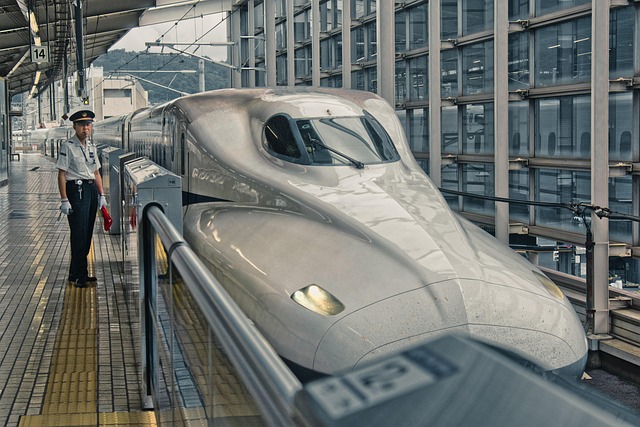
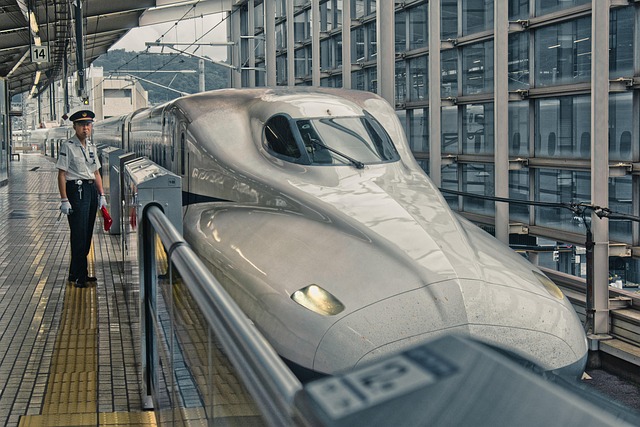
Another insider workaround involves the Shinkansen (bullet train). While the speed is legendary, the stress of boarding can be high. If you are traveling from Tokyo towards Kyoto, always request a seat on the “E” side (the right side) to catch a glimpse of Mount Fuji. More importantly, don’t wait to buy your tickets at the station kiosks five minutes before departure; use the smartEX app to book in advance and avoid the frantic rush at the ticket windows.
The Industry Perspective: Finding the Rhythm of the Cities
From an insider’s point of view, the biggest mistake travelers make is treating Tokyo and Osaka as interchangeable urban landscapes. Tokyo is a study in organized complexity and quiet efficiency, whereas Osaka is the country’s boisterous, culinary heart. To truly enjoy a short-duration trip, you must shift your mindset between these regions.
The secret to a successful six-day journey isn’t seeing every “Top 10” site; it is building in “buffer zones.” The most profound Japanese experiences rarely happen at a crowded landmark; they happen during the quiet moments in a neighborhood izakaya or while watching the sunset from a rooftop in Shibuya. My professional advice is to choose one “must-see” landmark per day and leave the rest of your itinerary to chance. In Japan, the magic is found in the transitions—the quiet streets between the neon and the shrines.
KEYWORDS: osaka city lights, kyoto temple, japan train station
Photo: Pixabay / Pixabay License