AKIO NARIMATSU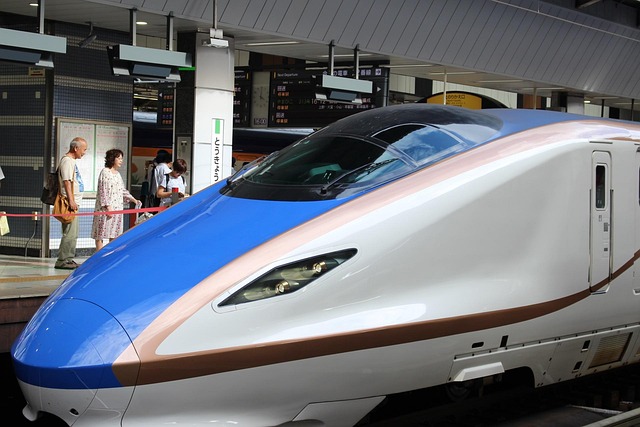
Pro-Tips for Your Inaugural Japan Expedition
- Prioritize the IC Card over the Rail Pass: Unless you are traversing the entire country in seven days, a pre-loaded Suica or Pasmo card is your most valuable asset. It handles subways, buses, and even vending machine transactions with a single tap, saving you hours at ticket kiosks.
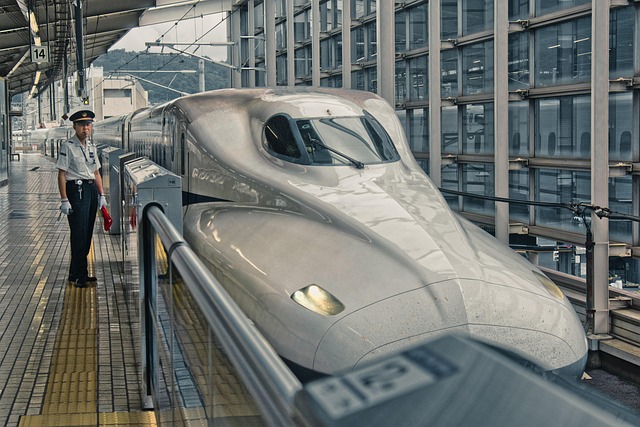
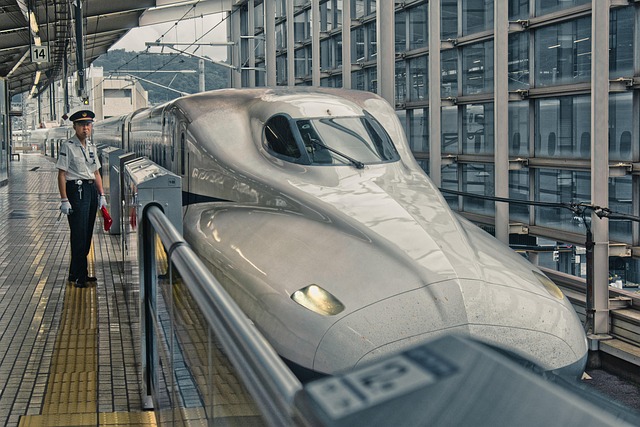
- Leverage “Takkyubin” Luggage Forwarding: Never drag a suitcase through Tokyo Station. For a modest fee, services like Yamato Transport will send your bags from your hotel in Tokyo to your next stay in Kyoto, allowing you to travel “hands-free” on the Shinkansen.
- Download Google Maps Offline and Use Platform Numbers: Japanese transit is precise. Pay attention to the platform numbers listed in your navigation app; they are often more important than the train line name itself.
- The “Konbini” Strategy: Treat convenience stores (7-Eleven, Lawson, FamilyMart) as your logistics hubs for high-quality, affordable meals, international ATM access, and essential travel supplies.
The Invisible Exhaustion: What Guidebooks Fail to Mention
Traditional travel guides are excellent at mapping out the “what” and the “where,” but they often omit the “how.” The primary frustration for first-time visitors isn’t finding a famous temple; it is the sheer cognitive load of navigating Japan’s hyper-efficient but complex infrastructure. Travelers often find themselves paralyzed by “decision fatigue” in the middle of Shinjuku Station or physically depleted by the unexpected reality of walking 20,000 steps a day on concrete.
The “real” problem is the completionist mindset. Travelers attempt to treat Japan like a checklist, rushing from the Ghibli Museum to a tea ceremony in Kyoto, only to realize they’ve spent more time staring at navigation screens than at the scenery. This logistical friction can turn a dream vacation into a series of stressful transfers if not managed with a localized strategy.
Field-Tested Hacks: Navigating the Nuance
To bypass the common pitfalls of the first-time visitor, you must embrace the workarounds used by those who know the terrain intimately. First, stop over-planning your dining. While Michelin-starred sushi is a draw, some of the best culinary experiences in Japan are found in the basement “depachika” (department store food halls) or the tiny standing noodle shops near train tracks. These require no reservations and offer world-class quality.
Secondly, rethink your connectivity. While hotel Wi-Fi is standard, a dedicated Pocket Wi-Fi device is superior to a roaming SIM for groups. It ensures your phone battery isn’t drained by constant searching, keeping your primary tool for navigation and translation alive throughout the day. Finally, use the “First Car, Last Car” rule: when boarding subways, the cars at the very ends of the train are almost always less crowded, providing a much-needed moment of calm during peak transit hours.
The Insider’s Perspective: Moving from Sightseeing to Experiencing
As an industry professional, I’ve observed that the most successful trips are those that prioritize rhythm over reach. Japan is a culture defined by “Ma”—the space between things. If you fill every second of your itinerary, you miss the very essence of the country. The most profound moments rarely happen at a crowded landmark; they happen when you are wandering a quiet residential backstreet in Setagaya or watching the sun set over a suburban riverbank.
My advice to the modern traveler is to build “buffer days” into your schedule. Use these days to follow a whim rather than a GPS coordinate. The infrastructure of Japan is designed to support seamless movement; once you master the logistics of the IC card and luggage forwarding, you gain the freedom to stop being a “tourist” and start being a “flâneur.” The goal is not just to see Japan, but to feel the precision and grace with which it operates.
KEYWORDS: shinkansen platform, tokyo street, traveler logistics
Photo: Pixabay / Pixabay License